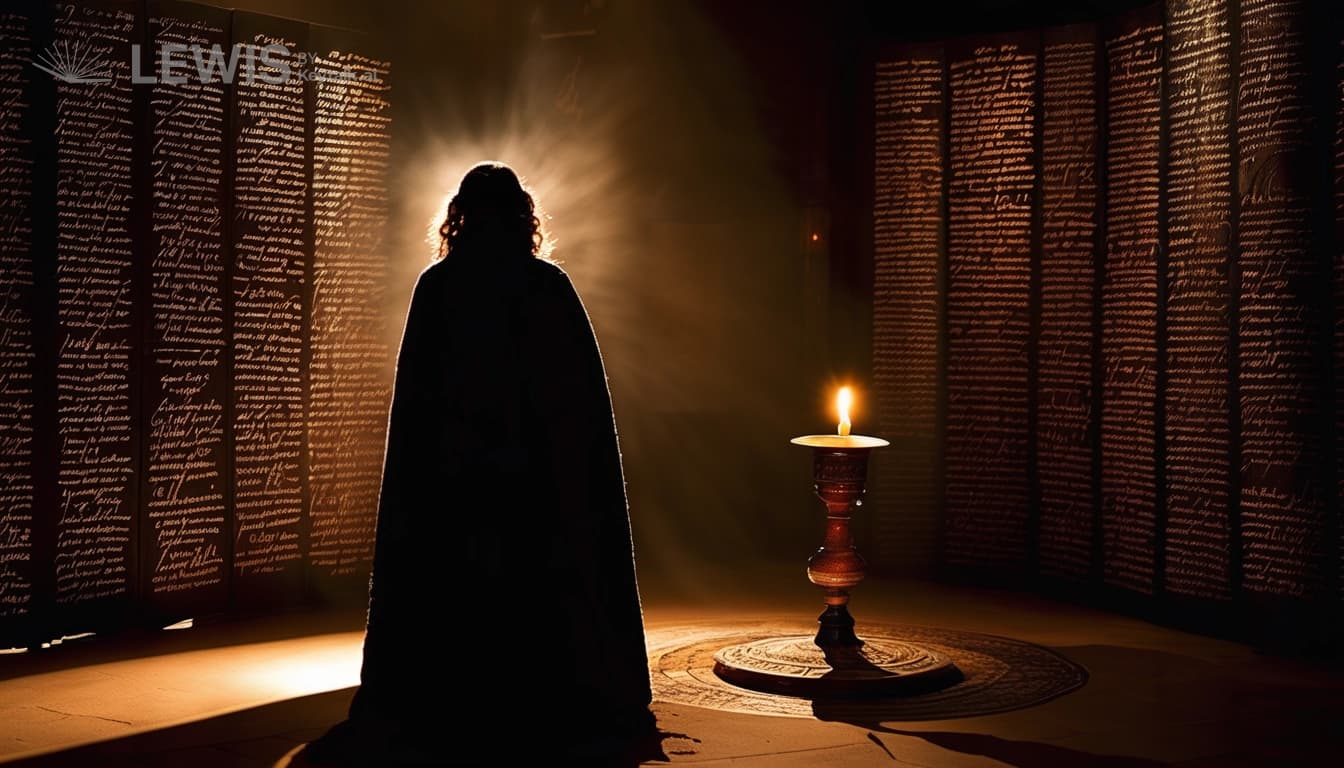
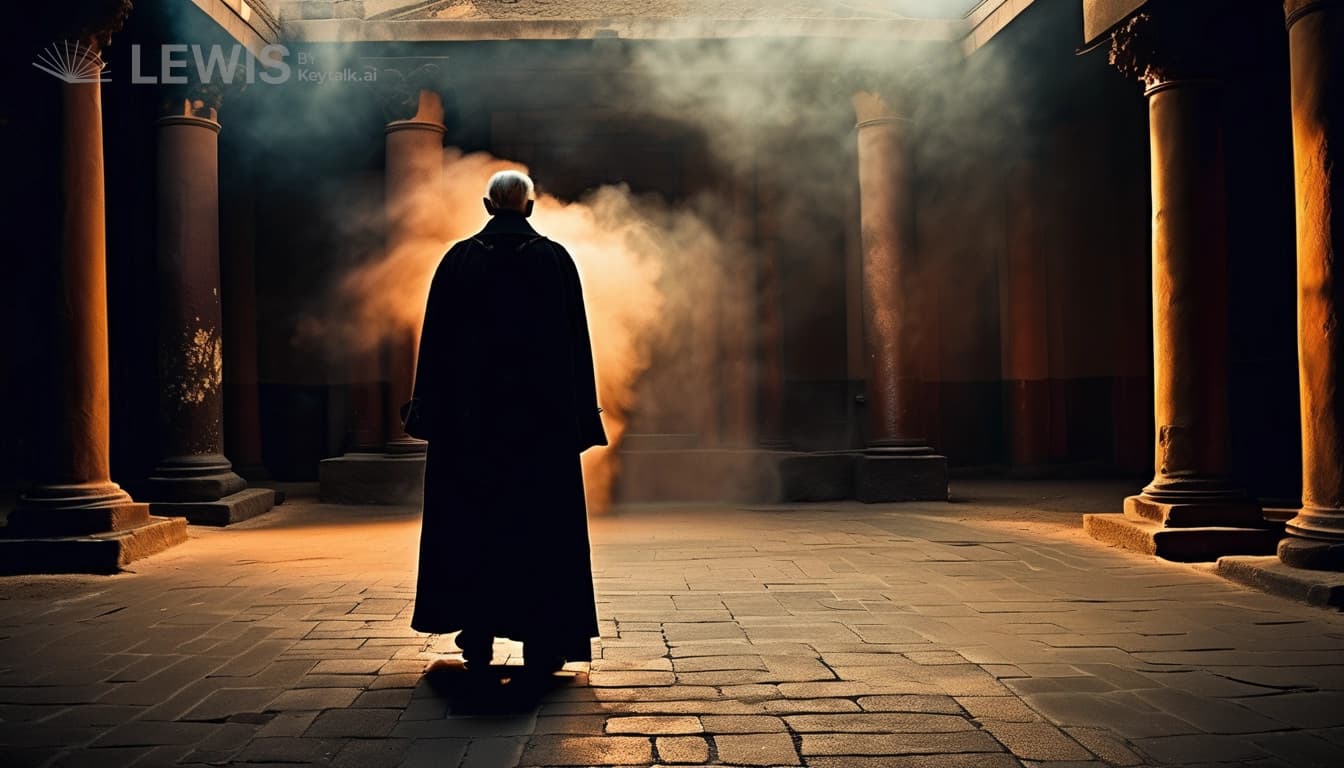
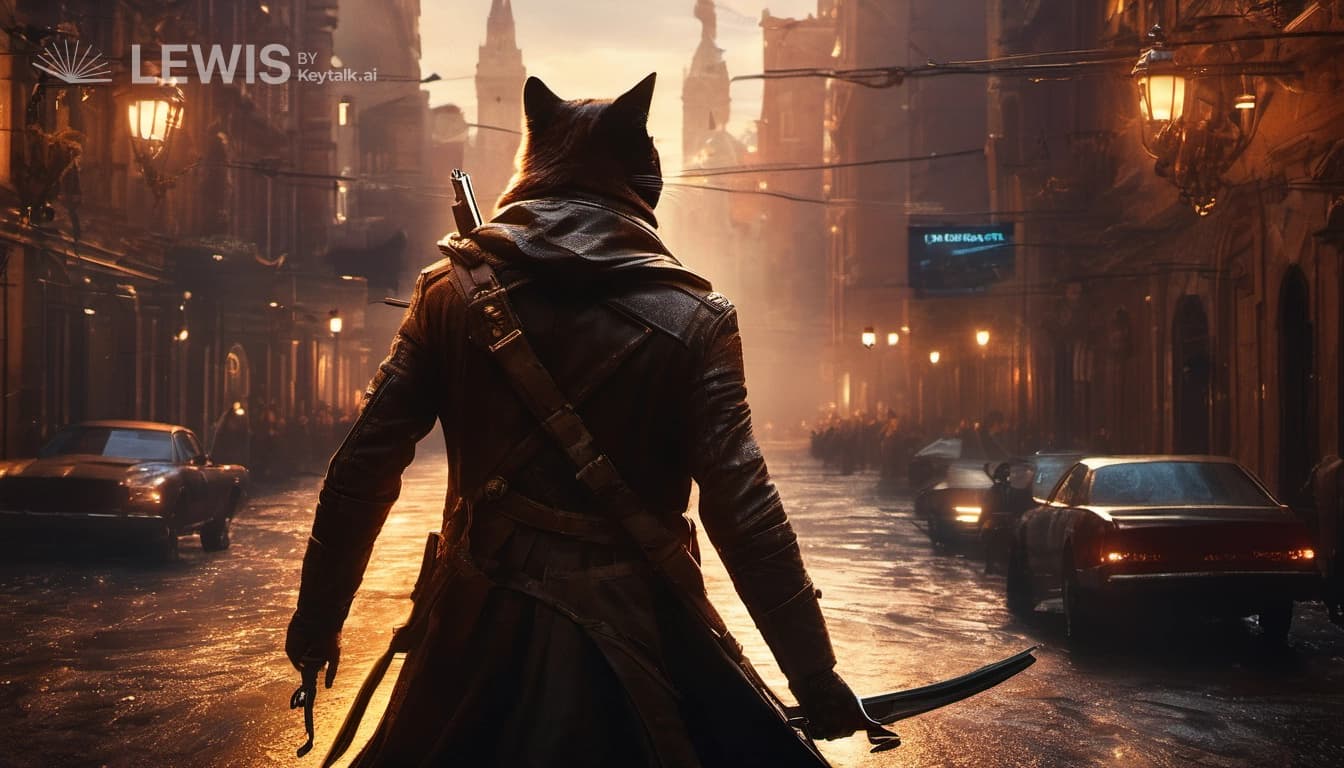
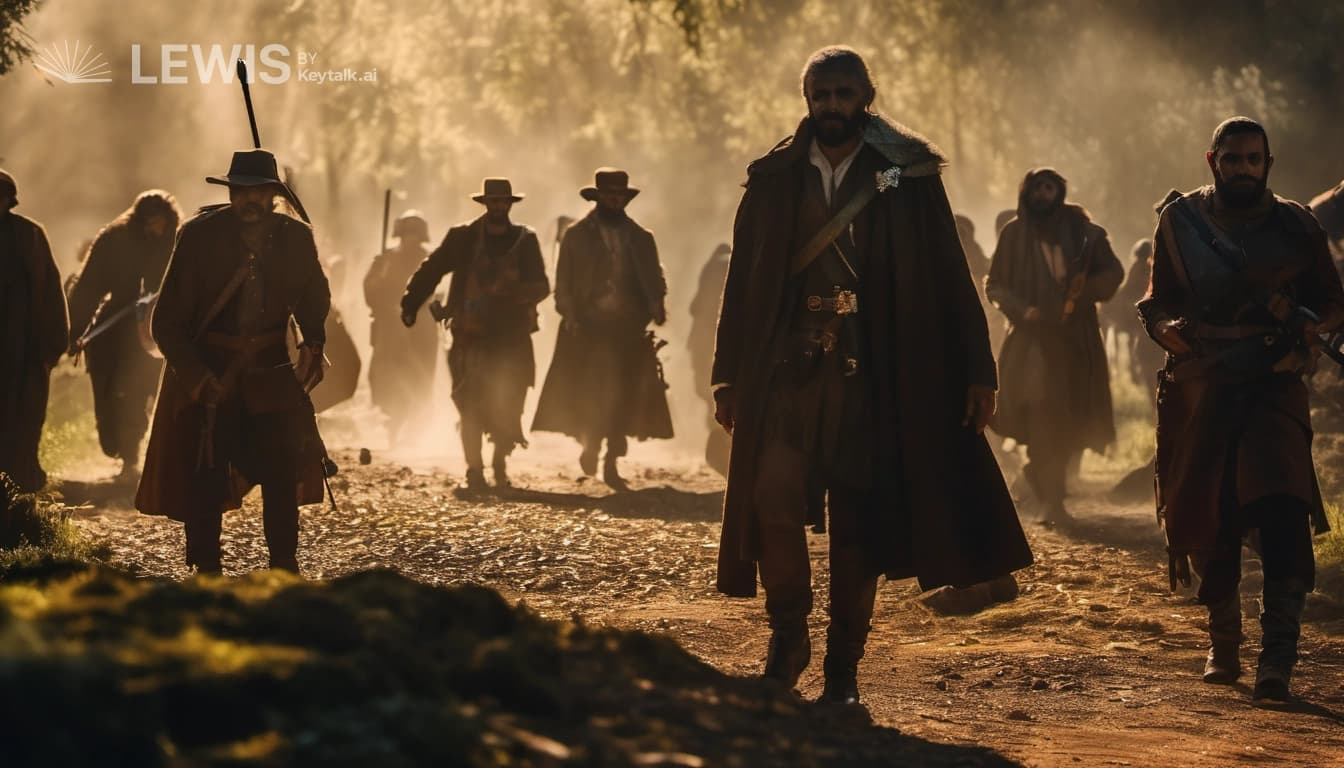
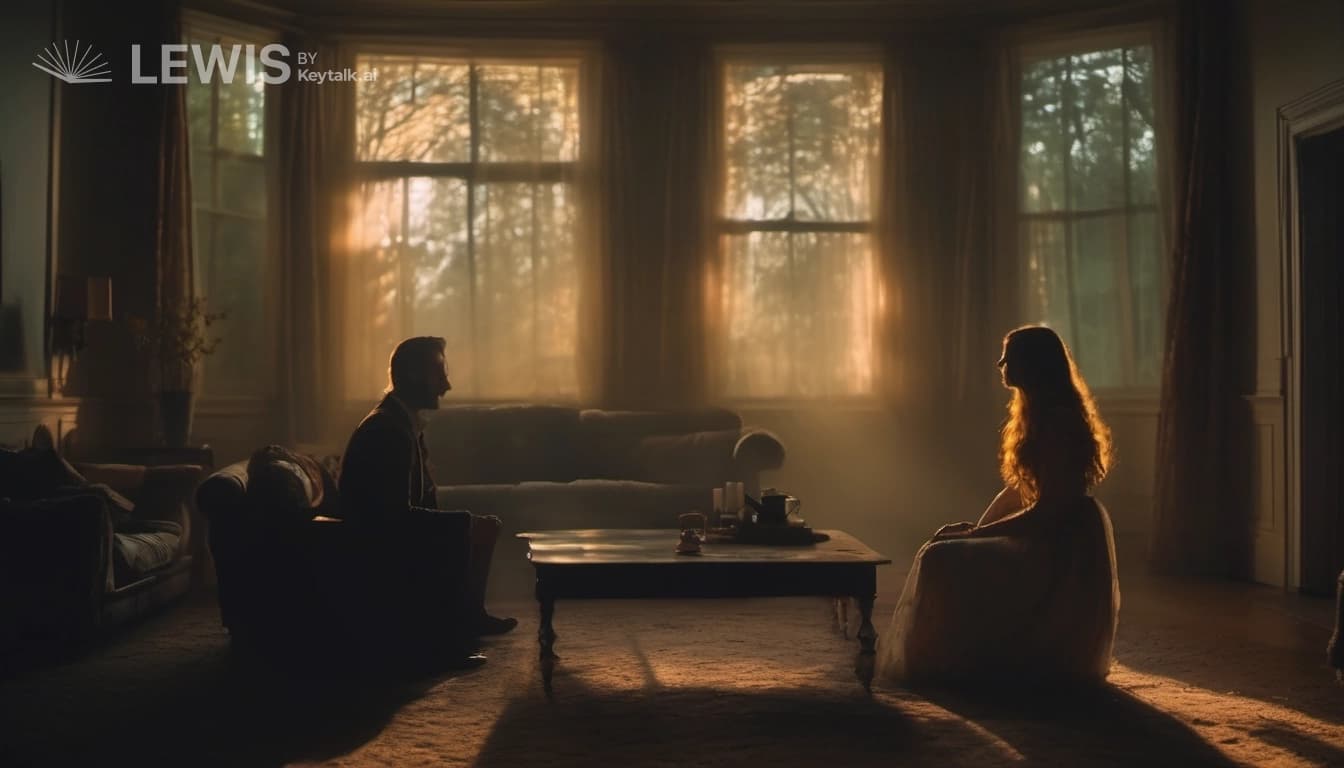
the last dawn is not for us cover image

the last dawn is not for us

In an apocalyptic wasteland haunted by spectral abominations born of mankind's deepest blasphemies, a former priest-turned-outlaw assassin must infiltrate a heretical commune that worships the end-times, facing not only inhuman guardians but also the ruptured bonds of his own estranged family—one of whom leads the cult with a fanatical devotion threatening humanity’s final hope.

Weekly ranking

rank icon image
#10 inConcept
rank icon image
#10 inTheme
rank icon image
#11 inTheme
Scroll

Plot Synopsis

In the aftermath of a cataclysm that has torn the world’s fabric, spectral abominations—wraithlike horrors spawned by humanity’s blasphemies—prowl a scorched wasteland. Cities lie as carcasses, their bones jutting against ashen skies, and the living huddle in feverish enclaves, haunted by the sins that summoned these nightmares. Padre Esteban Salazar, once a vessel of the sacred, now stalks this purgatory as an outlaw assassin. His hands, once raised in benediction, are now stained with blood and ash, yet he clings to vestiges of faith: whispered half-prayers, the scrawled psalms that fill his battered journal. His solitary pilgrimage is interrupted when rumors reach him of a heretical commune—The Children of the Last Dawn—whose followers venerate the world’s unraveling, and whose leader, Mother Zorya Dragomira, has stoked the flames of apocalypse into a doctrine.

Esteban’s journey is as much internal as external. Flashbacks bleed into the present—his ordination, the slow corrosion of belief, the fracturing of his family when Zorya, once his beloved younger sister, vanished into the wasteland. He remembers her as a child, eyes bright with questions, the two of them arguing doctrine on moonlit nights. Now she has become a prophet of oblivion, her sermons echoing through the ruins, gathering the broken and desperate. The Church, reduced to a clandestine order, contracts Esteban for a singular task: infiltrate Zorya’s commune and assassinate its leader, thereby extinguishing a beacon that threatens to lure humanity into voluntary extinction.

To breach the commune’s labyrinthine defenses, Esteban forms a tenuous alliance with Mila Veselina Kovach, a scavenger whose irreverence masks a soul bruised by betrayal. Mila, a reluctant spy within the cult, provides Esteban with cryptic maps and sardonic counsel. Their partnership is fraught with suspicion—she mistrusts his priestly past and penchant for violence, while he questions her motives and the shadows that flicker in her gaze. Yet a mutual recognition—of wounds, of longing for redemption—binds them. Mila’s pragmatism and bitter hope serve as foil to Esteban’s haunted idealism, and together they navigate the cult’s grotesque rites and the spectral abominations that stalk its periphery.

The commune itself is a fever-dream of faith inverted: worshipers craft icons of bone and glass, their hymns a cacophony of despair and ecstasy. Zorya presides over her flock with a charisma both magnetic and chilling, her sermons stitched from arcane philosophy and apocalyptic poetry. Her presence evokes awe and dread—she is both mother and executioner, adored and feared. Privately, she is tormented by flickers of doubt, the old warmth of family memory clashing with her self-fashioned role as the architect of the world’s end. In clandestine conversations with Esteban—who masquerades as a penitent seeker—old wounds are reopened. Their exchanges crackle with theological and personal warfare: faith versus nihilism, brother versus sister, each seeking to convert or destroy the other.

As Esteban delves deeper, he uncovers a harrowing truth: Zorya’s doctrine is not mere madness, but a calculated gambit. She has harnessed the spectral abominations—binding them through ritual—to create an army that will sweep away the last remnants of resistance. At the heart of her plan lies a ritual of transcendence, promising her followers release from suffering by merging with the abominations themselves. Esteban is confronted with a moral labyrinth: to kill Zorya is to render the commune leaderless, but also to unleash chaos and potentially doom the innocent who follow her out of desperation, not devotion. Mila’s skepticism morphs into resolve as she witnesses the cult’s depravities and the depths of Zorya’s conviction, yet she is haunted by the realization that, in their own ways, all three are driven by the same hunger for meaning amid ruin.

The climax erupts during the commune’s most sacred rite, the Night of the Last Dawn, as Esteban and Mila enact a desperate gambit to sabotage the ritual and confront Zorya. Spectral abominations, half-tethered by Zorya’s will, surge through the commune, devouring the unwary. Amid fire and wailing, Esteban and Zorya clash—not just with weapons, but with words, memories, and the unbearable weight of familial love twisted by ideology. Mila, torn between escape and intervention, ultimately chooses to save a group of children, risking her own life to shepherd them through the chaos. In a moment of brutal clarity, Esteban realizes that to kill Zorya would make him the very avatar of the merc
Model Used
GPT-4.1
text
Stable Diffusion
image

Story Details

Keytalk Prompts Used
See all Keytalks
no chosen prompts
no chosen prompts
no chosen prompts
no chosen prompts
no chosen prompts
no chosen prompts
Model Used
GPT-4.1
text
Stable Diffusion
image

Character

Protagonist Character

Padre Esteban Salazar

GenderMale
OccupationOutlaw assassin (formerly priest)

Profile

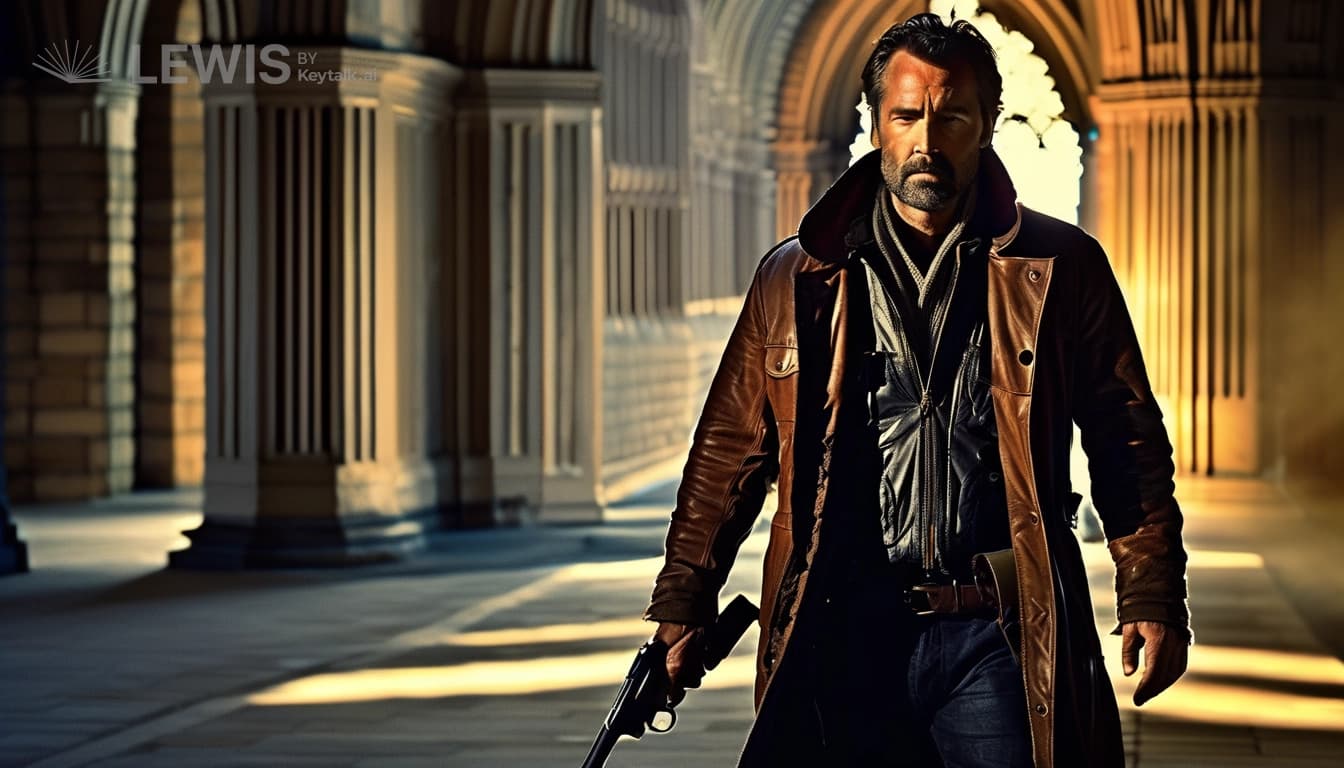
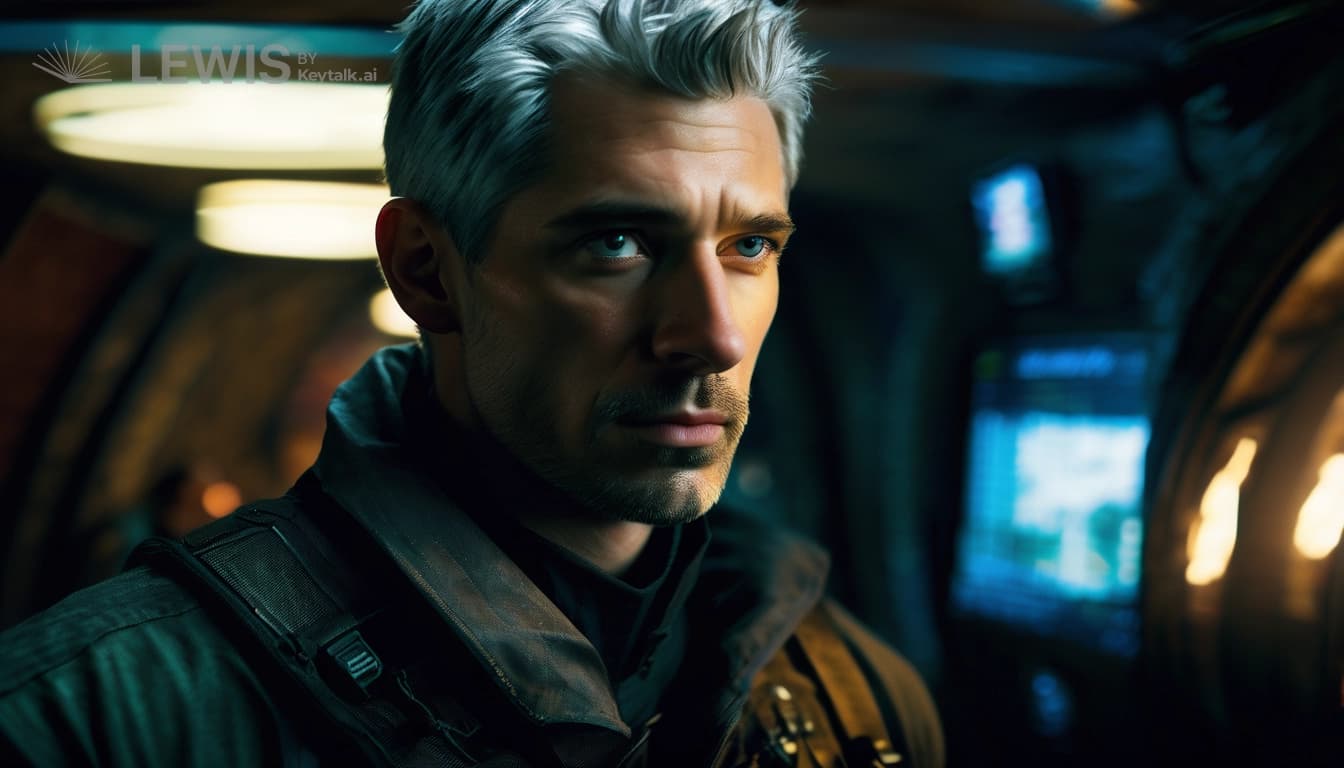
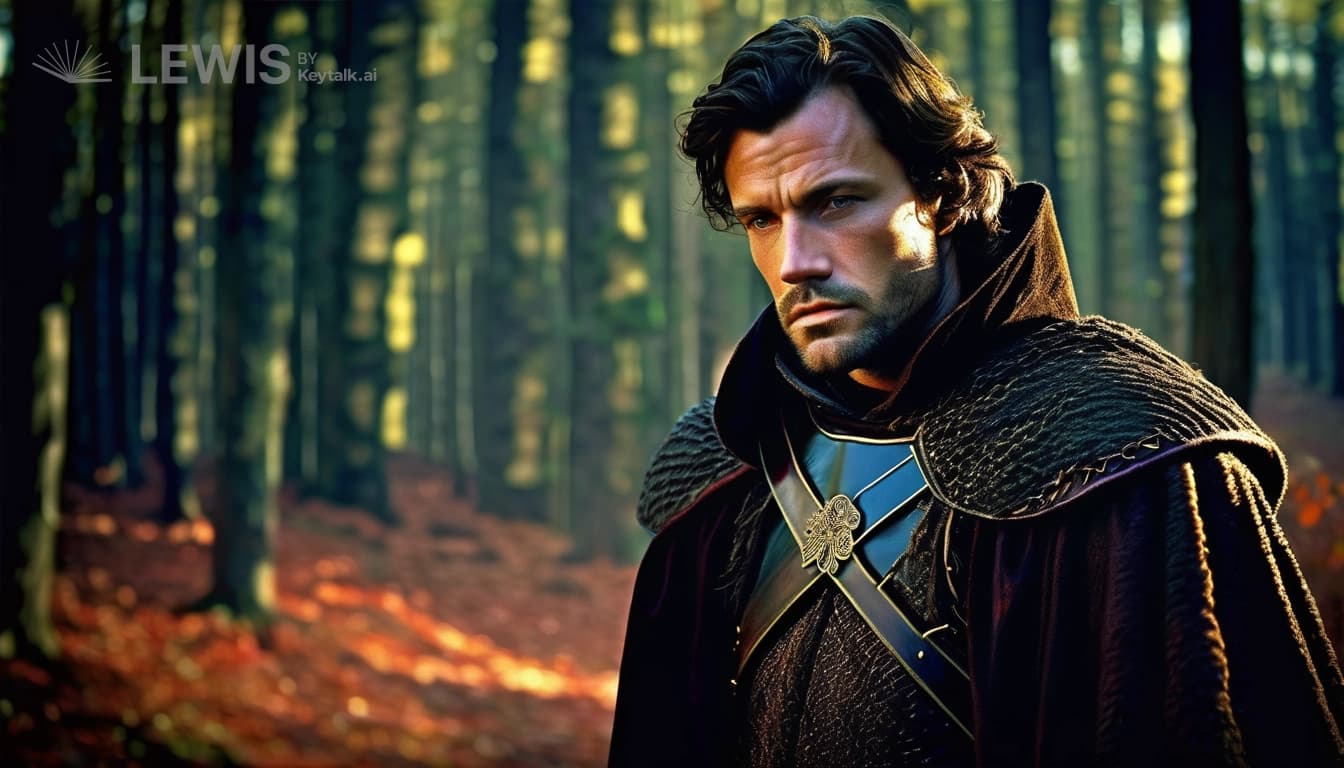
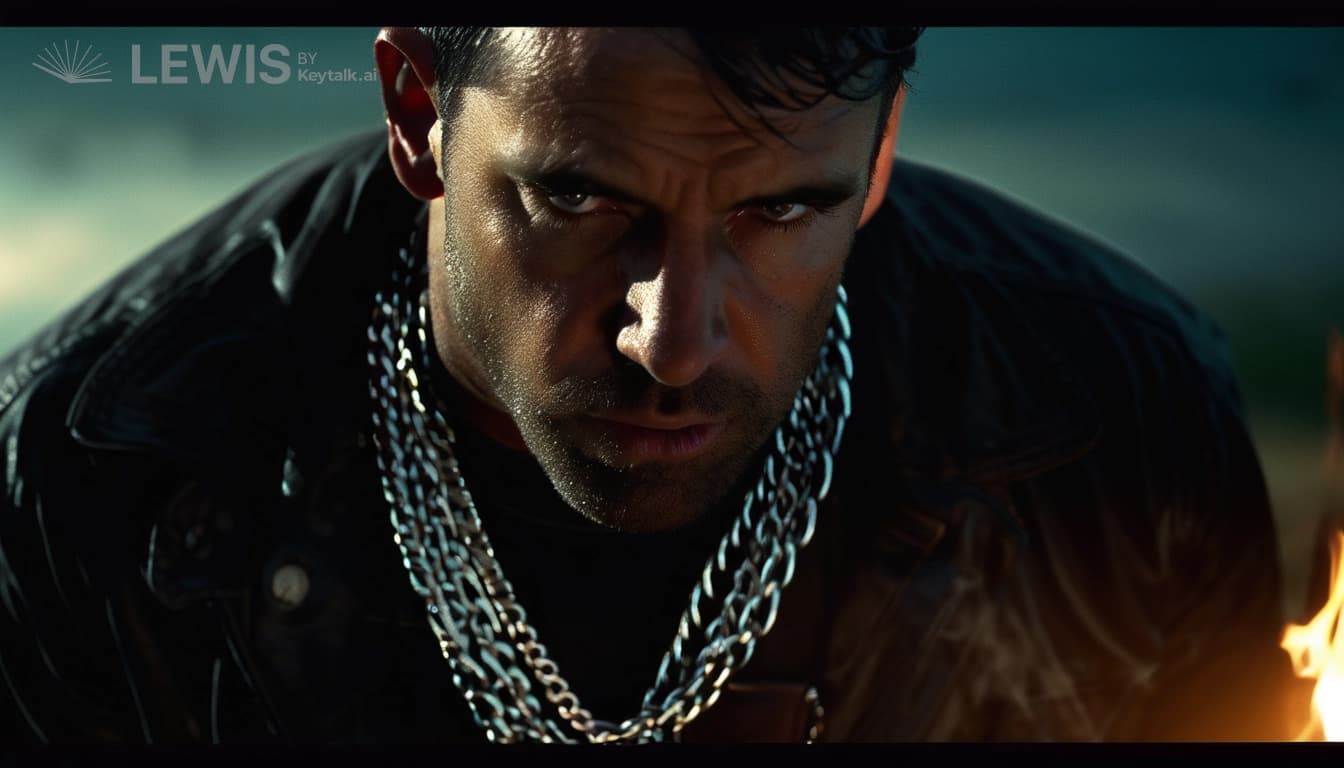
Padre Esteban Salazar stands at the ragged intersection of faith and fury, a man whose weathered face and haunted eyes betray years spent wrestling with both the sacred and the profane. Once revered as a priest, he now navigates the desolate wasteland as an outlaw assassin, his black cassock long since traded for battered leathers and a revolver worn smooth by prayer-calloused fingers. Esteban’s voice, low and sonorous with the cadence of old sermons, slips easily between scripture and sardonic profanity, a habit born of necessity in a world where absolutes have crumbled. He is fiercely intelligent, his mind sharp as a blade honed by theological debate and survival alike, but pride often blinds him to the subtlety of mercy. A lapsed believer, he clings to ritual—reciting half-remembered litanies before each kill, scribbling cryptic psalms in the margins of scavenged books—an anchor amid chaos. Solitude has calcified his warmth, yet an unspoken longing for redemption lingers beneath his gruff exterior, manifesting in quiet acts of charity and an almost superstitious reverence for children’s laughter. Despite his capacity for violence, Esteban’s gaze lingers on the horizon, searching not for hope, but for a reckoning—his actions driven by a desperate need to atone for sins both real and imagined. He moves with the wary grace of a predator, but there is hesitation in his shadow, a silent question echoing in the spaces between his words.
Antagonist Character

Mother Zorya Dragomira

GenderFemale
OccupationCult leader

Profile

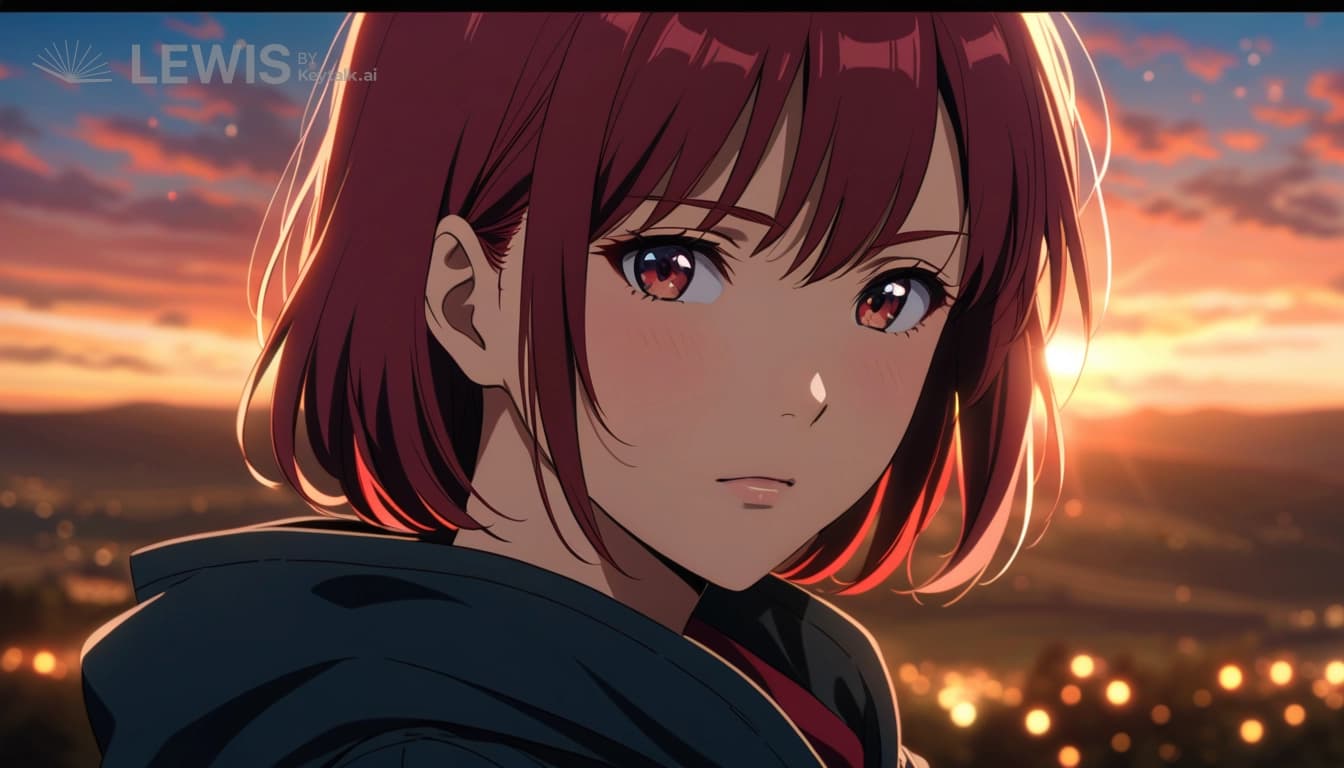
Mother Zorya Dragomira, at thirty-nine, stands as the enigmatic architect and spiritual matriarch of a heretical commune thriving amid the world’s desolation. Her presence commands attention: a sinewy silhouette draped in tattered ecclesiastical robes, eyes alight with a feverish, unyielding conviction. Zorya’s intellect is both her armor and her weapon—razor-sharp, calculating, and endlessly curious, yet often twisted by an unshakeable certainty in her own apocalyptic vision. Raised in the shadow of war and famine, she learned early to transmute pain into authority, and hope into doctrine; scars, both visible and hidden, have become her sigils of legitimacy. She is driven by an insatiable hunger for meaning in a shattered world, and her sermons ripple with poetic grandeur, laced with esoteric references and a chilling, almost hypnotic cadence. Zorya’s charisma is magnetic, tinged with menace; she is capable of profound empathy but wields it as a tool, her kindness always calculated, her cruelty deliberate. Her inner world is a maelstrom—doubt flickers beneath her certainty, gnawing at her resolve in solitary moments, but she buries it beneath ritual and prayer. She is obsessed with ritualistic art, often crafting grotesque icons from bone and glass, and she has a predilection for quoting dead philosophers with a sly, knowing smile. Her speech is ornate, even theatrical, with a tendency to slip into archaic liturgies or foreign idioms, her voice dropping to a conspiratorial whisper or soaring in righteous fury. Zorya’s greatest flaw is her hubris—a belief that she alone can shepherd humanity through its final tribulation—yet this is also the root of her terrible strength. As the story’s antagonist, she is a figure both terrifying and tragic, her every action shaped by a labyrinthine morality and a longing to be remembered as the architect of a new dawn, whatever the cost.
Sidekick Character

Mila Veselina Kovach

GenderFemale
OccupationScavenger and Reluctant Cult Spy

Profile

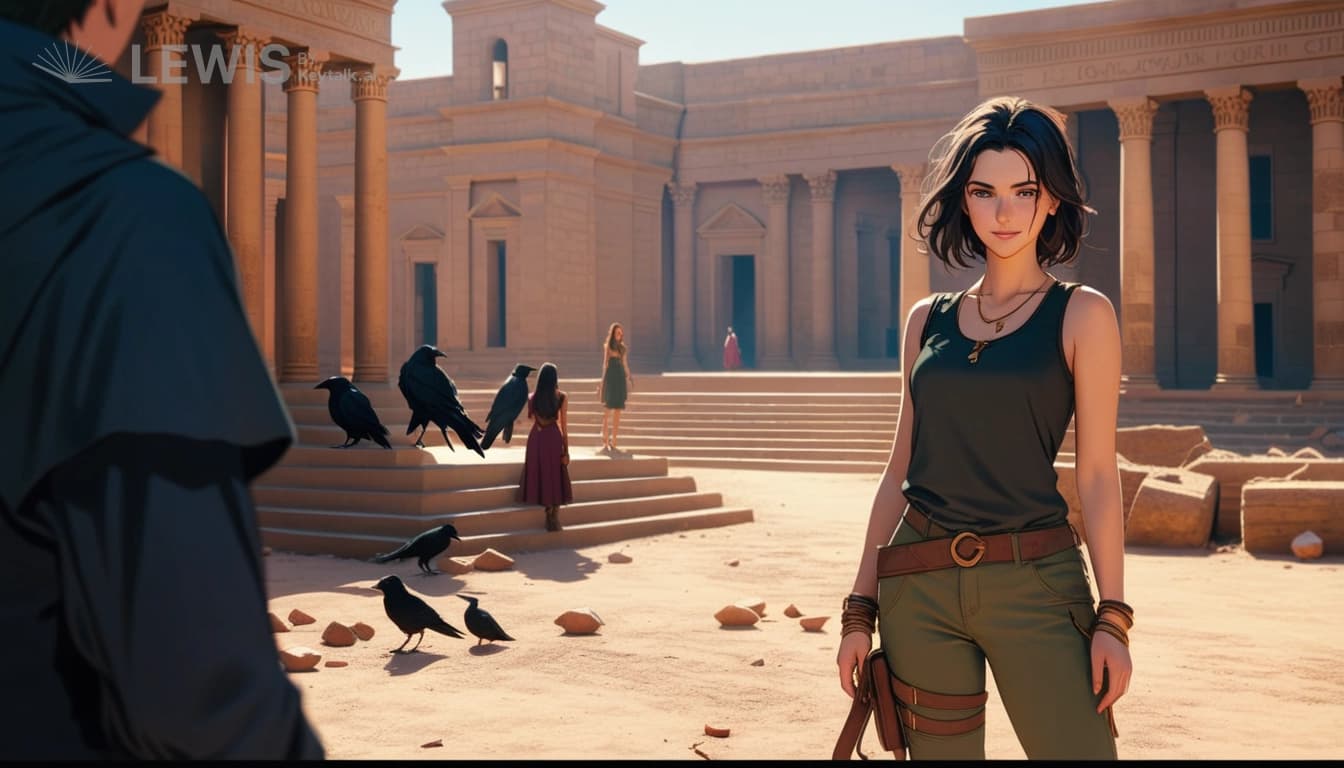
Mila Veselina Kovach, a 27-year-old scavenger and reluctant cult spy, carves her existence from the fractured bones of a world undone by humanity’s own nightmares. Hardened by years spent picking over the detritus of civilization, she masks her intellect with a disarming irreverence, often punctuating her speech with dry humor and a clipped, no-nonsense cadence peppered with Balkan slang. Pragmatic to the core, Mila’s resourcefulness is matched only by her skepticism—she trusts little and nobody, least of all herself. Beneath her steely exterior lies a mind in constant motion, haunted by half-remembered scraps of a gentler past and a gnawing guilt over choices made under duress. Raised in the shadow of dogma, she now despises empty faith, preferring action to prayer, though she wrestles with a secret longing for meaning amid the chaos. Her nimble fingers, adept at both lockpicking and makeshift repairs, betray a restless energy, and she soothes herself by tracing invisible patterns on her battered boots. Mila’s inner world is a battleground of defiance and fatigue, and she is driven by a stubborn hope that something worth saving remains. Suspicious of authority yet compelled by the possibility of redemption, her journey is shaped by an ongoing struggle to reconcile survival with conscience. As a supporting character, Mila will serve as both a reluctant informant and a moral counterpoint, her wary pragmatism and latent idealism subtly influencing the protagonist’s path through horror and despair.
Model Used
GPT-4.1
text
Stable Diffusion
image

World

1. Where/When :
The story unfolds in the ashen aftermath of a cataclysm that has not only shattered civilization but ruptured the boundary between the corporeal and the spectral. Time, here, is measured not by clocks but by the waxing and waning of terror—“years since the Wailing”—and by the shifting intensity of supernatural phenomena. The wasteland stretches across what was once a tapestry of nations; now, only the skeletal remains of cities and the haunted silence of the open wild remain. This is a world in the twilight of human dominion, an era where the sun is a bruised smear across a sky choked by perpetual twilight and ever-present ash. The Children of the Last Dawn commune claims a ruined cathedral-city as its sanctum, surrounded by concentric rings of desolation and spectral infestation. The narrative is set perhaps a generation after the great blasphemy—a temporal limbo where survivors barely remember the old world, yet the trauma of its fall is ever-present.

2. Important rules of the universe and how it impacts the story :
The primary law of this universe is metaphysical contagion: the world is haunted by abominations—wraiths, shades, and unspeakable hybrids—born from humanity’s collective sins and blasphemies. These spectral horrors are not mere monsters; they are living manifestations of guilt, despair, and taboo, drawn to strong emotions and sacrilegious acts. To survive, settlements employ elaborate wards, rituals, and taboos, blending superstition and desperate faith. Interaction with abominations corrupts both body and mind, transforming the incautious into vessels of further horror. Death does not promise escape; the souls of the damned may linger, twisted by regret or unfinished vengeance. Spiritual authority is fractured: remnants of the old Church operate in shadows, while heretical cults like Zorya’s thrive on the promise of transcendence through annihilation. Betrayal, heresy, and mercy all have supernatural consequences—every major decision carries the risk of attracting or empowering the spectral, making the moral landscape as treacherous as the physical.

3. The visual description of the universe :
The world is a study in juxtaposed ruin and grotesque beauty. Skies are a perpetual bruise, lit by flickers of unnatural auroras—ghost-light rippling over blackened towers and shattered highways. Cities are labyrinths of ash and collapsed stone, their cathedrals hollowed and festooned with macabre iconography: stained glass shattered and reassembled to depict apocalyptic visions, altars heaped with offerings of bone and rusted metal. The land is punctuated by spectral phenomena—shimmering figures that flicker in the corner of the eye, rippling distortions that warp light and sound, and places where the laws of nature seem frayed. The commune itself is a fever-dream: worshipers garbed in patchwork vestments, faces painted with ash, crafting grotesque idols from the detritus of civilization. The boundaries of the commune are marked by totems of bone and glass, each inscribed with wards and blasphemous scripture. At night, the world glows with the cold fire of the abominations, and the air is thick with the scent of burnt incense, old blood, and ozone.

4. Notable technologies or philosophies of the universe that impact the story :
Technology is scavenged, adapted, and interwoven with ritual. Firearms are rare and jealously guarded, often adorned with runes and charms to ward off the spectral. Communication relies on runners, coded messages, and the whispered networks of spies and informants like Mila. Medicine is a blend of crude surgery and mystical warding, with some cults practicing bloodletting or spectral exorcism. The dominant philosophies are syncretic, born of desperation—old faiths twisted into new dogmas, existentialist despair giving rise to nihilistic cults like the Children of the Last Dawn. Zorya’s doctrine, in particular, is a fusion of apocalyptic prophecy, ritualistic art, and a calculated embrace of oblivion: she teaches that true salvation lies not in resisting the end, but in embracing and transcending it, even merging with the abominations as a final act of faith. Meanwhile, the remnants of the Church cling to fractured orthodoxy, dispatching agents like Esteban to wage a clandestine war for humanity’s soul. Pragmatism and skepticism, embodied by scavengers like Mila, offer a fragile counterpoint—an ethic of survival laced with the faintest hope for meaning beyond annihilation. All of these philosophies and technologies shape the characters’ choices, fueling the story’s central conflicts and its relentless spiral toward both horror and redemption.
representative image
location 1 image

Location 1

- Title : The Ashen Cathedral-City
- Description((The output should be less than 3 sentences. Extract it as simply as possible.)) :
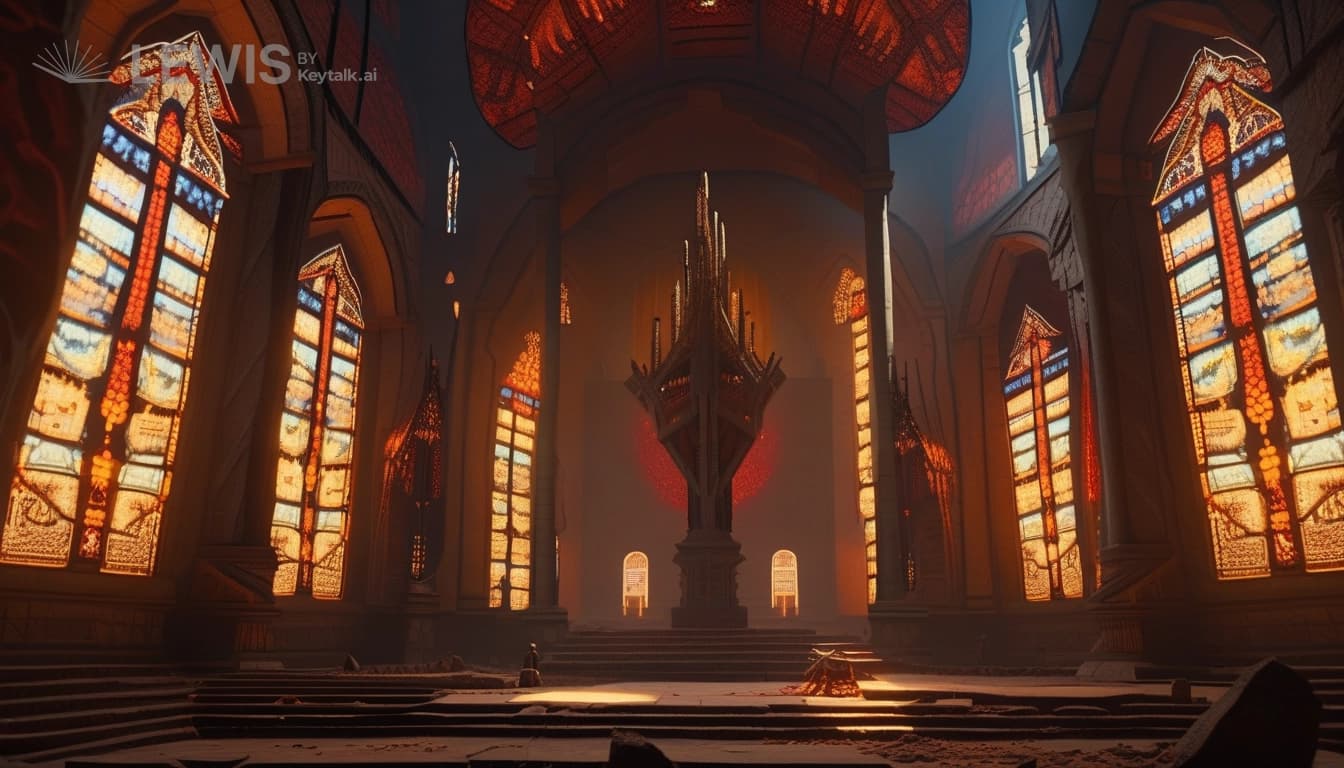
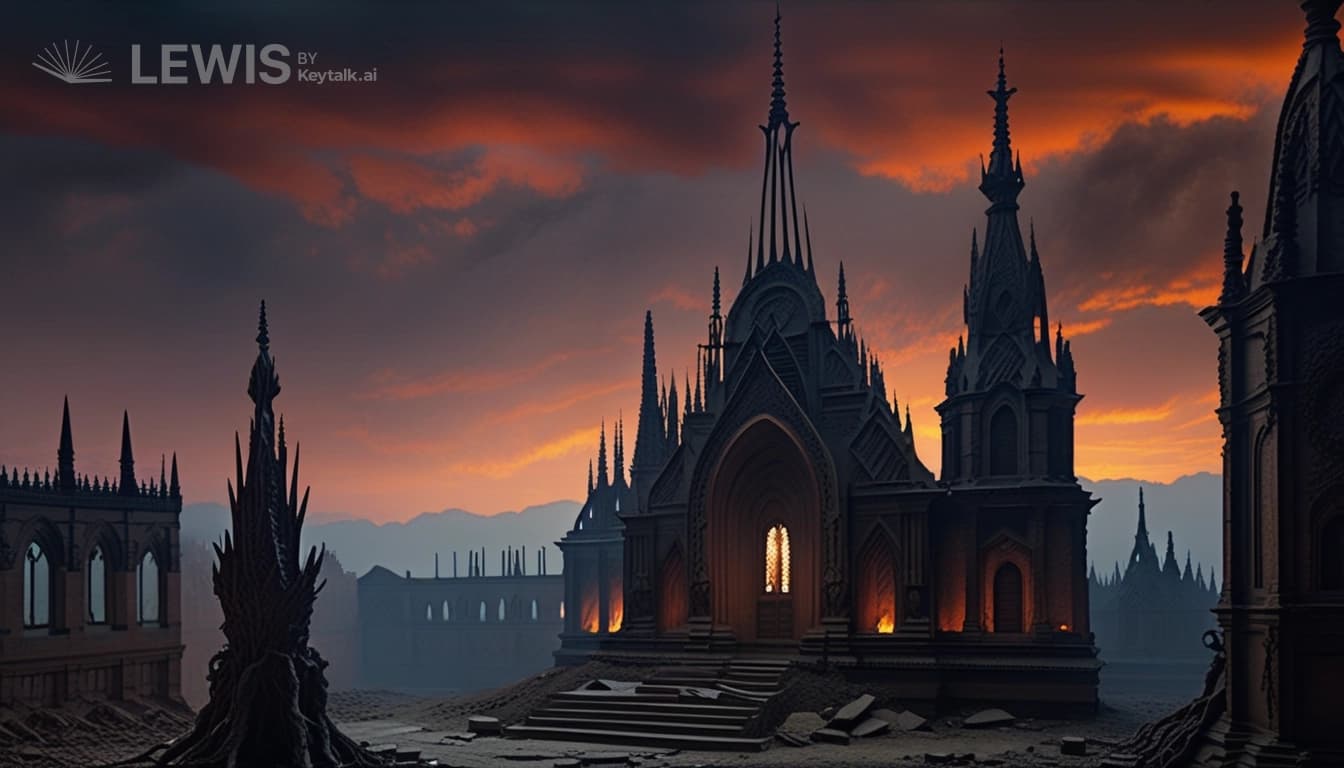
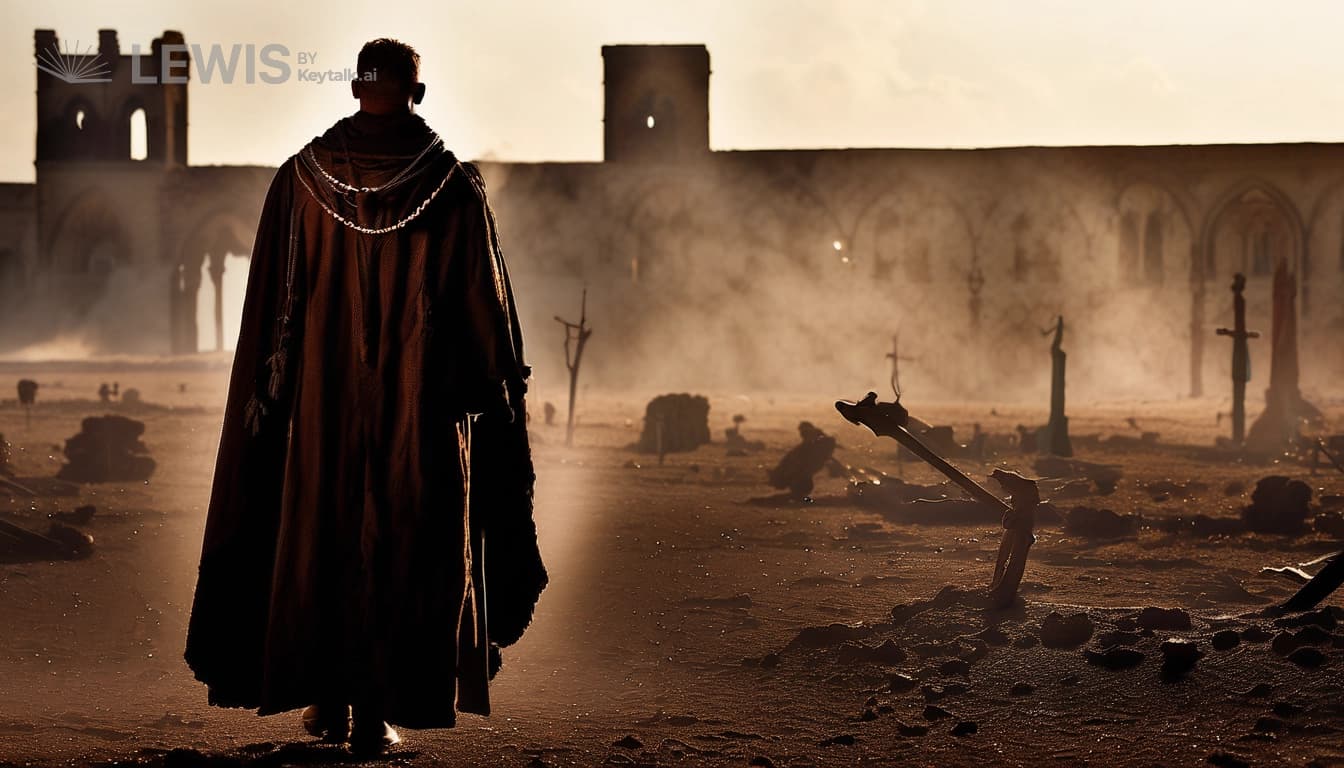
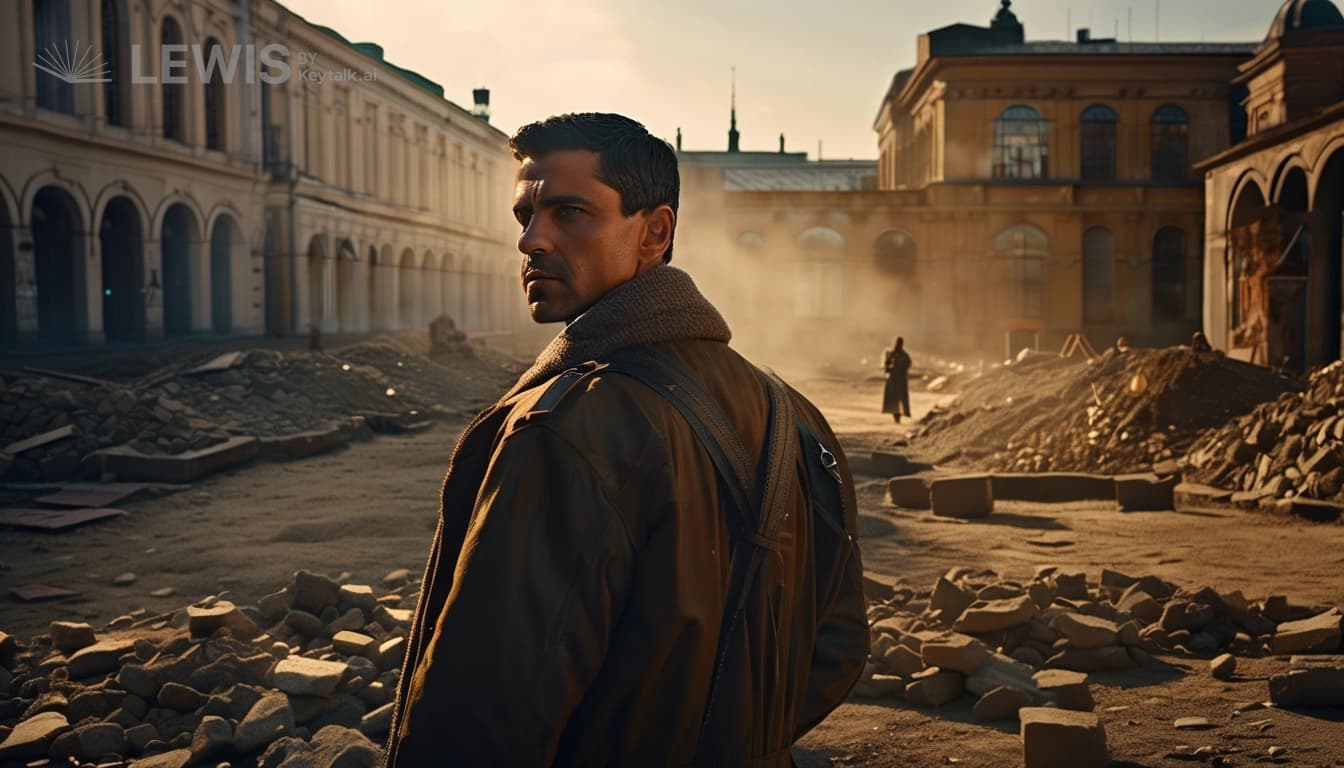
Once a sanctuary of faith, the Ashen Cathedral-City sprawls in skeletal grandeur beneath a sky thick with cinders, its spires twisted and charred, vaulting above streets littered with the detritus of shattered icons and the bones of the faithful. Here, Esteban first stalks the spectral abominations—shuddering phantoms that slip through the nave’s shadows—while haunted by memories of lost sermons and the echo of his sister’s laughter. Amid the ruined pews, he receives word of Zorya’s heretical commune, setting his bloodstained pilgrimage in motion.
location 2 image

Location 2

- Title : The Ruined Family Sanctuary
- Description((The output should be less than 3 sentences. Extract it as simply as possible.)) :
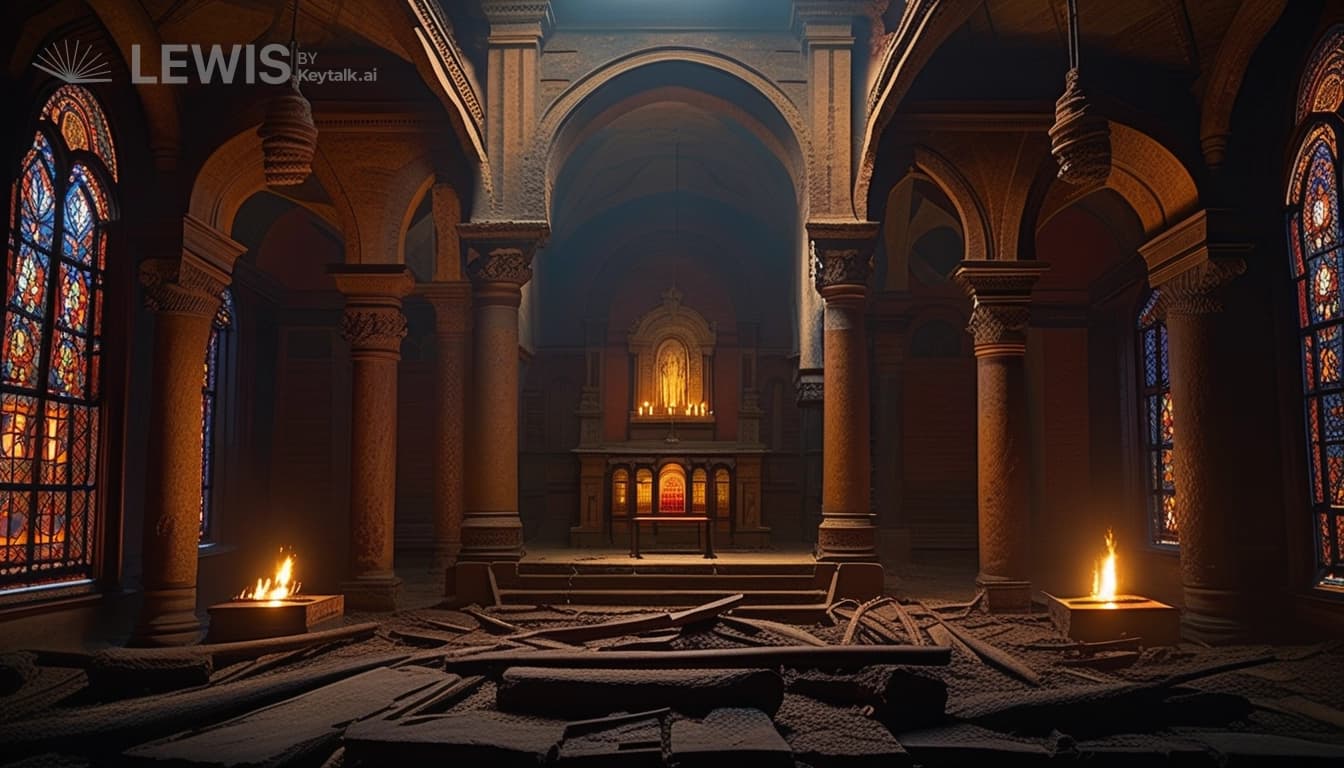
Once a haven of laughter and shared prayers, the family sanctuary now lies gutted and half-buried beneath blackened rafters, its altar splintered and icons defaced by time and sacrilege. Here, Esteban’s memories and Zorya’s absence haunt every shadow—ghostly echoes of childhood debates and whispered confessions reverberate amid the charred relics. In this fractured refuge, Esteban and Mila confront the bitter root of their mission, sifting through relics and remorse as spectral abominations coil hungrily beyond shattered stained glass.
location 3 image

Location 3

- Title : The Night of the Last Dawn Ritual Grounds
- Description((The output should be less than 3 sentences. Extract it as simply as possible.)) :
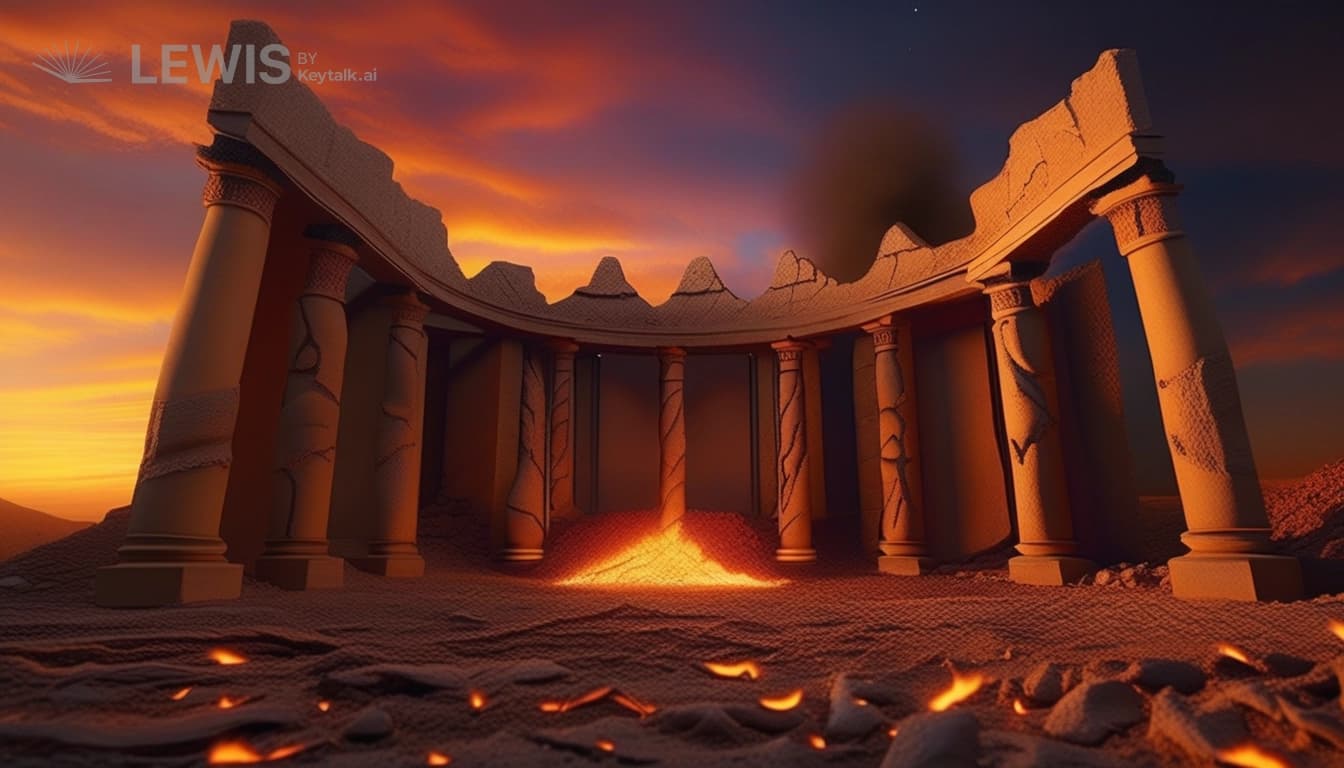
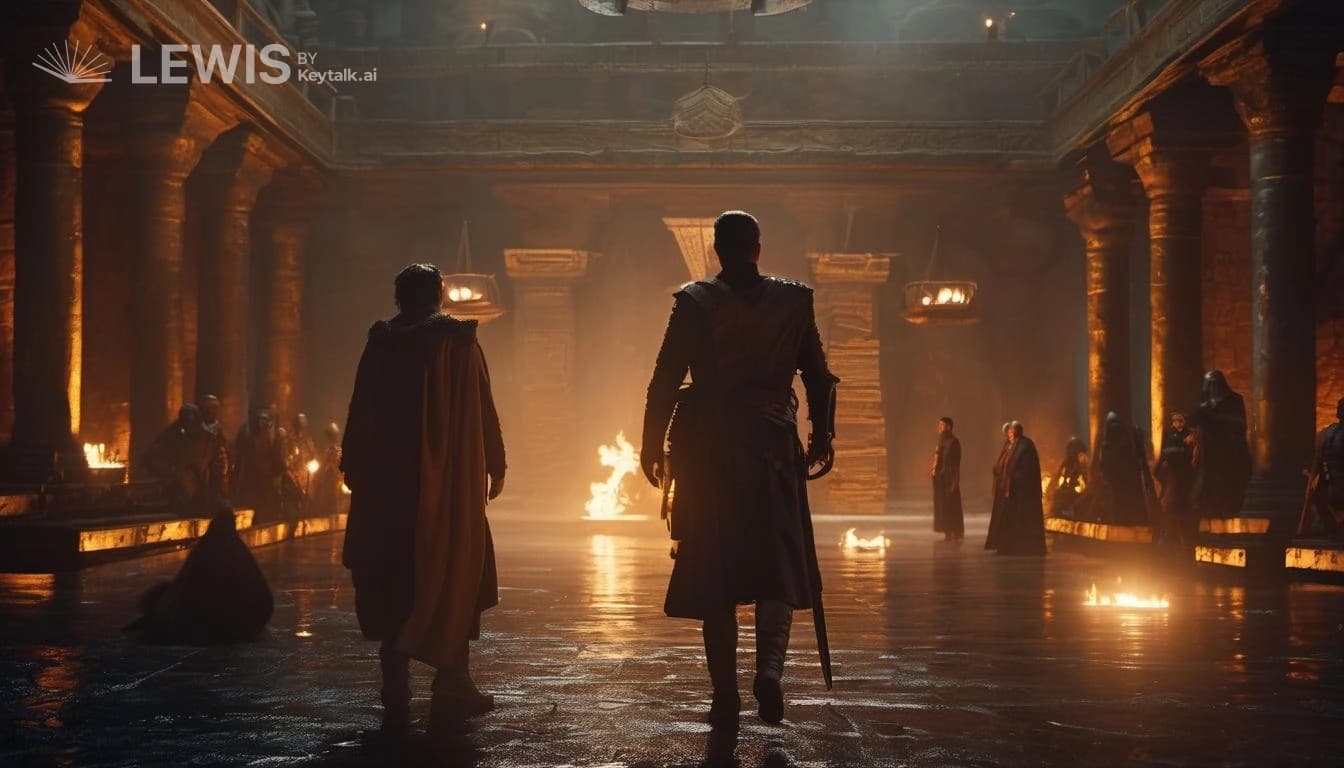
A shattered amphitheater of bone and scorched earth, ringed by pyres that belch ghostly flames, seethes with cultists chanting in a delirious fugue as spectral abominations coil around their chosen. At its center, Zorya, radiant and terrible, raises a blade woven from relics, her eyes meeting Esteban’s as the ritual convulses into violence—faith and blood mingling beneath a sky torn by shrieking phantoms. Mila, battered but defiant, shepherds trembling children through the carnage, while the air splits with the agony of a world devouring itself.
Model Used
GPT-4.1
text
Stable Diffusion
image

Scenes

scene 1 image
Scene 1
[Title]
Ashes of Faith and Blasphemy

[Place]
The skeletal outskirts of Sanctuario Viejo, a ruined church at the edge of a scorched wasteland

[Time]
Dawn, with ashen light filtering through a perpetual pall of smoke

[Action]
Padre Esteban Salazar moves silently through the debris of the old sanctuary, his boots crunching over charred hymnals and glass. The sanctuary’s bones jut skyward—arches shattered, stained glass melted into grotesque mosaics. He kneels where the altar once stood, tracing a trembling cross over the dust, lips moving in a fractured prayer that is half invocation, half apology. In the shadows, the wraithlike forms of abominations flicker, their presence marked by a guttural chill and whispers that scratch at the edge of sanity. Esteban, haunted by memory, recalls his last true act of faith—a baptism, years before the world unraveled. He opens his battered journal, scrawling a psalm as his hands shake, sweat mixing with ash. The silence is punctured by distant, desperate singing: a ragged procession of survivors, robed in scavenged vestments, dragging an effigy of bone and wire toward the ruins. Esteban watches, torn between the urge to hide and a compulsion to witness their blasphemous rite. As he moves to the shadows, he overhears murmurs of a new prophet—Mother Zorya—and rumors of a commune where hope is redefined as surrender. The scene closes with Esteban’s eyes fixed on the horizon, where the sun struggles to rise, and the world’s wounds gape open.

[Impact]
This opening scene establishes the setting’s relentless despair and the fractured state of Esteban’s faith. It introduces the existential horror of the spectral abominations and frames Esteban’s internal conflict—his search for meaning and redemption amid devastation. The overheard rumors about Zorya and her commune provide the narrative’s inciting incident, setting Esteban on his collision course with both his past and the cult. The emotional undercurrent of guilt, loss, and the yearning for absolution is seeded, shaping Esteban’s motivations and vulnerabilities.

[Description]
In the gutted remains of a church, Esteban grapples with faith and memory as he witnesses a desperate, blasphemous ritual and learns of his sister Zorya’s rise as a prophet of apocalypse. The stage is set for his journey into the heart of darkness, driven by rumor, regret, and a flickering hope for redemption.
scene 2 image
Scene 2
[Title]
Shadows of Kinship and Memory

[Place]
A labyrinthine, half-collapsed metro tunnel leading toward the outskirts of the Children of the Last Dawn’s territory

[Time]
Late morning, the sun reduced to a wan smear filtered through grates and cracks, shadows crawling thick along the tunnel walls

[Action]
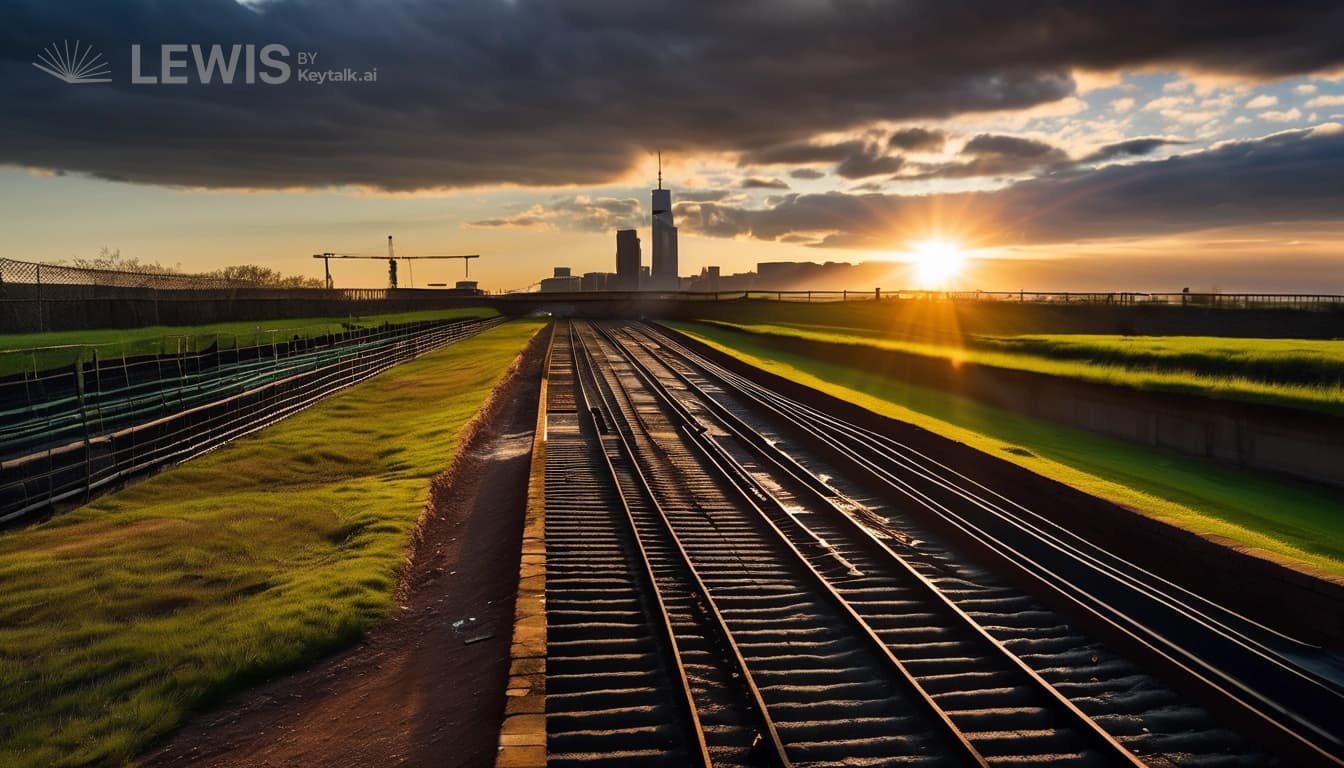
Esteban descends into the metro’s gullet, clutching his journal and a pistol scavenged from a dead pilgrim. The air is soured by mold and an undercurrent of rot; spectral motes drift in the gloom, phosphorescent and hungry. He edges past graffiti—prayers and curses mingled in desperate hands—before he is intercepted by Mila Veselina Kovach, emerging from a side corridor with the feline grace of a seasoned scavenger. Their first exchange is a brittle negotiation: Mila’s voice is sharp, edged with suspicion, as she demands proof of Esteban’s intent. He offers her a torn page from his journal, a psalm rewritten for the damned, and she studies it with a flicker of recognition and disdain. As they wind deeper into the tunnels, Mila reveals her own scars—a jagged tattoo marking her as a former cult initiate, her words laced with bitter recollection of Zorya’s sermons. A distant howl echoes through the darkness, and both freeze as a spectral abomination slithers past, unseen but felt in the marrow. In a rare moment of vulnerability, Esteban confesses that his mission is more than an act of faith or vengeance—it is a quest for answers about his sister’s transformation. Mila, moved despite herself, sketches a crude map onto Esteban’s palm, her fingers lingering just long enough to betray her fear. They press on together, suspicion and necessity binding them, as the tunnel’s darkness thickens and memories bleed into the present.

[Impact]
This scene forges the uneasy alliance between Esteban and Mila, layering their partnership with tension, mistrust, and glimpses of empathy. It deepens Esteban’s psychological struggle, exposing his yearning for reconciliation as much as retribution. Mila’s introduction as both guide and foil complicates the narrative, introducing a new perspective on Zorya and the cult. The encounter with the spectral abomination raises the stakes and underscores the omnipresent danger, while the revelation of Mila’s past hints at the commune’s seductive and destructive power. The scene propels Esteban physically and emotionally closer to his goal, setting the tone for the fraught infiltration to come.

[Description]
In the haunted depths of a ruined metro, Esteban and Mila’s paths collide in wary alliance. As they navigate darkness—both literal and psychological—their shared wounds and mutual suspicion begin to form the fragile bedrock of partnership, propelling them toward the cult’s heart and the specters of their pasts.
scene 3 image
Scene 3
[Title]
Pact in the Ruins

[Place]
The shattered nave of a desecrated cathedral, its stained glass fractured into kaleidoscopic shards, situated at the threshold of the Children of the Last Dawn’s territory.

[Time]
Dusk, the sky a bruised amalgam of red and violet, shadows pooling through the ragged holes in the cathedral’s roof.

[Action]
Esteban and Mila emerge from the metro’s darkness into the haunted majesty of the ruined cathedral, its nave scrawled with cult sigils and fetishes constructed from bone and twisted metal. The air is thick with incense and the coppery tang of old blood; spectral wails echo from the crumbling choir loft. As they cross the nave, Mila whispers warnings about the commune’s sentries—hollow-eyed zealots who prowl the ruins, searching for intruders or defectors. They pause behind a toppled altar, breathless, as a patrol passes—a trio of cultists led by a boy no older than fifteen, his face painted with ash and tears. Esteban’s hand tightens on his pistol, but Mila shakes her head, her gaze hard with memory.

In the flickering gloom, the two renegotiates their alliance: Mila sketches another route onto a fragment of hymnbook, her voice taut with urgency. She confesses her own price—information about a child she left behind in the commune’s care—and demands Esteban’s vow that, should the infiltration go awry, he will help her recover the child. Esteban, riven by guilt and his code, swears upon his battered journal, invoking the vestiges of his faith. Their pact is sealed with a shared swig from a flask of sacramental wine scavenged from the sacristy—an act both sacrilege and communion. Footsteps thunder above; spectral abominations, half-seen, coil along the shattered rose window. The duo slips into a concealed passage, Mila’s hand trembling as she draws a relic from her pocket—a bloodstained rosary, once Zorya’s. Esteban’s resolve hardens as he realizes how inextricably their histories are now entwined.

[Impact]
This scene deepens the bond—and the perilous dependency—between Esteban and Mila, transforming their alliance into a true pact, fraught with mutual obligation and buried secrets. The desecrated cathedral, a symbol of lost faith and corrupted sanctuary, amplifies Esteban’s internal conflict and foreshadows the moral choices ahead. Mila’s revelation about her child personalizes her stake, intertwining the fates of all three central characters. Their pact propels them into the heart of the commune’s territory, raising the stakes and binding their destinies with a thread of desperate hope and dread.

[Description]
Within the spectral-lit ruins of a cathedral, Esteban and Mila forge a pact, driven by faith, guilt, and personal need. Their uneasy alliance crystallizes against a backdrop of sacrilege and spectral menace, binding them together as they cross the threshold into the commune’s domain—and toward the ghosts of their pasts.
scene 4 image
Scene 4
[Título]
Icons of Despair, Hymns of Ecstasy

[Lugar]
El corazón del enclave de los Hijos del Último Amanecer: una plaza circular rodeada de chabolas erigidas a partir de escombros y vitrales rotos, donde se alza un altar de huesos y vidrio frente a un anfiteatro improvisado. Las sombras de los espectros revolotean en los márgenes, atraídas por cánticos y fuego.

[Tiempo]
Noche, bajo un cielo ennegrecido y sin luna, donde los rescoldos de hogueras titilan como luciérnagas enfermas y el aire vibra con los ecos de himnos distorsionados.

[Acción]
Esteban y Mila, camuflados entre los recién llegados y penitentes, se abren paso hacia el núcleo del culto. El ambiente está impregnado de un fervor febril; seguidores flagelan sus propias espaldas al ritmo de cánticos guturales, mientras niños descalzos esparcen cenizas en círculo alrededor del altar. El rostro de Zorya emerge entre la multitud, encaramada sobre el altar, su figura iluminada por el fuego y los cristales rotos, sus palabras una letanía hipnótica que oscila entre el éxtasis y el abismo.

Mila se separa brevemente para buscar señales del niño que dejó atrás, su ansiedad apenas disimulada en el temblor de sus manos. Esteban, apretando el rosario ensangrentado de Zorya, es abordado por un anciano acólito que lo interroga sobre su fe, forzándolo a improvisar una confesión donde se mezclan auténtico remordimiento y mentiras calculadas. Zorya, percibiendo la presencia de su hermano entre la multitud, detiene su sermón por un instante, su mirada se cruza con la de Esteban: un destello de reconocimiento, dolor y desafío. El silencio se rompe cuando un espectro se abalanza sobre un creyente desafortunado en el borde del círculo, desatando el pánico; Zorya alza las manos y, con un cántico de palabras arcanas, somete a la criatura, consolidando su dominio ante los fieles. Esteban, testigo de este poder, vislumbra la magnitud del peligro que enfrenta y el abismo moral de su misión.

[Impacto]
Este momento marca la verdadera inmersión de Esteban y Mila en el núcleo de la secta, exponiéndolos tanto a los horrores del culto como a la magnética autoridad de Zorya. La breve conexión visual entre los hermanos reaviva viejas heridas y anuncia la inminencia del conflicto, mientras el despliegue de poder de Zorya eleva las apuestas: ya no se trata sólo de matar a una líder, sino de enfrentarse a una fuerza capaz de doblegar incluso a los espectros. Mila, por su parte, se consume por la incertidumbre sobre el paradero de su hijo, lo que la vuelve más vulnerable pero también más determinada. El ritual y la violencia consolidan la atmósfera de desesperación e histeria colectiva, dejando claro que la fe aquí es tanto veneno como refugio.

[Descripción]
En el oscuro corazón del enclave, Esteban y Mila se infiltran en un ritual de fervor y horror, enfrentándose cara a cara con la figura casi divina de Zorya y el poder que ejerce sobre abominaciones y seguidores por igual. El reencuentro visual entre los hermanos y el despliegue de poder del culto tensan la trama al máximo, preparando el terreno para una confrontación tan personal como apocalíptica.
scene 5 image
Scene 5
[Título]
Revelaciones en la Boca del Olvido

[Lugar]
Las entrañas del santuario subterráneo de los Hijos del Último Amanecer: un laberinto de túneles y cámaras iluminadas por velas de sebo humano, donde las paredes están cubiertas de inscripciones blasfemas y símbolos tallados en hueso; en el centro, la cámara del ritual, donde Zorya medita rodeada de reliquias y fragmentos de espectros capturados.

[Tiempo]
Madrugada, apenas unas horas antes del amanecer y del inicio del rito final; el aire es denso, cargado de incienso y miedo, y las sombras parecen palpitar en los rincones.

[Acción]
Esteban, guiado por un mapa críptico de Mila y el eco de antiguas oraciones, avanza furtivamente por el laberinto, sorteando fieles en trance y acólitos armados. Mila, tras escuchar rumores sobre un grupo de niños recluidos —entre ellos su propio hijo—, se escabulle por un corredor lateral, debatiéndose entre su promesa de ayudar a Esteban y el instinto feroz de madre. Mientras ella desciende hacia una celda oculta, Esteban alcanza la cámara del ritual y se enfrenta a Zorya en una conversación tensa, donde el amor fraternal se enreda con reproches y amenazas veladas.

Zorya, sentada en un trono de vértebras, confiesa su plan: utilizar el sacrificio de inocentes para sellar el pacto definitivo con los espectros, prometiendo a sus seguidores la trascendencia a través de la aniquilación. Su voz oscila entre la ternura rota de una hermana y la frialdad de una profetisa condenada. Esteban, desgarrado, intenta apelar a la memoria de su infancia compartida, recitando un fragmento de salmo que ambos conocían, pero Zorya lo interrumpe con una sonrisa amarga: “El único dios aquí es el vacío que dejamos atrás”. Mientras tanto, Mila logra liberar a varios niños —incluido el suyo—, pero es descubierta por un acólito fanático, lo que desata una persecución frenética por los túneles.

La tensión se intensifica cuando Zorya, percibiendo la traición, convoca a los espectros a través de un cántico sombrío, haciendo temblar los muros y provocando que las criaturas se deslicen hacia los pasadizos donde Mila huye con los niños. Esteban, viéndose forzado a elegir entre atacar a su hermana o salvar a los inocentes, duda un instante, lo suficiente para que Zorya escape entre las sombras, dejando tras de sí una promesa de destrucción total.

[Impacto]
La revelación del sacrificio de inocentes y la capacidad de Zorya para manipular a los espectros elevan la amenaza a un nuevo nivel, exigiendo a Esteban y Mila tomar decisiones desesperadas y moralmente ambiguas. El rescate de los niños por parte de Mila la enfrenta a su propio límite, consolidando su transformación de espía a protectora. La confrontación entre Esteban y Zorya expone las fracturas irreparables de su vínculo, y la huida de Zorya sella el destino del enclave y prepara el terreno para el enfrentamiento final. Las líneas entre fe, amor y destrucción se difuminan, sumiendo a los protagonistas en un abismo de incertidumbre y culpa.

[Descripción]
En las profundidades del santuario, Esteban y Mila se ven obligados a actuar ante la inminencia de un sacrificio masivo, enfrentando tanto a los espectros como a sus propios demonios. La confrontación entre hermanos y el rescate de los niños marcan el punto de no retorno, dejando a todos los personajes al borde del abismo, listos para la noche apocalíptica que se avecina.
scene 6 image
Scene 6
[Título]
La Noche del Último Amanecer

[Lugar]
La explanada central del enclave, un anfiteatro de ruinas bajo el cielo sangriento: altares de huesos y ceniza, antorchas parpadeando entre escombros, y la multitud de fieles reunida en un círculo expectante, rodeados por las sombras inquietas de los espectros.

[Tiempo]
Instantes antes del amanecer; el horizonte arde con un resplandor enfermizo mientras el rito final comienza y el aire vibra de cánticos y presagios.

[Acción]
Los gritos de los niños rescatados se mezclan con el clamor de los seguidores de Zorya, convocados por el tañido de campanas forjadas con cráneos. Mila, exhausta y herida, guía a los pequeños a través de un laberinto de columnas derruidas, evitando el contacto de los espectros que, atraídos por el sacrificio inminente, se arremolinan en el borde de la multitud. En el centro del ritual, Zorya aparece envuelta en un sudario de luz espectral, sus palabras—un himno de aniquilación y promesa—cautivan a los desesperados, muchos de los cuales se arrodillan entre lágrimas y risas febriles. Esteban emerge del tumulto, su rostro marcado por el polvo y la duda, interrumpiendo la ceremonia con una declaración desgarradora: “No hay redención en el vacío, sólo eco.”

La multitud se parte ante él, algunos lo reconocen como el traidor, otros vacilan. Zorya, impasible, desciende de su trono improvisado para enfrentar a su hermano en medio del círculo. El enfrentamiento es brutal y lírico a la vez: filos cruzan y palabras hieren aún más. Zorya lanza a los espectros contra Esteban, pero él, armado con fragmentos de fe y un antiguo salmo, logra contenerlos lo suficiente para acercarse. Mila, al ver que los niños están a salvo, regresa al círculo, arrojando una bengala improvisada que incendia parte del altar, creando una cortina de humo y pánico.

En el clímax, Esteban y Zorya forcejean entre las brasas y el llanto de los fieles; él tiene la oportunidad de matarla, pero se detiene al ver en sus ojos el reflejo de una infancia perdida. Zorya, herida y derrotada, se arroja a los brazos de los espectros, fusionándose con ellos en un estallido de luz oscura que disuelve el hechizo sobre la multitud. Los espectros, privados de su ancla, se dispersan, devorando a los fanáticos más cercanos y escapando hacia la desolación.

[Impacto]
El sacrificio final de Zorya y su fusión con los espectros fracturan el poder del culto, liberando a los inocentes pero dejando a la mayoría de los fieles en estado de shock, desprovistos de propósito. Esteban, incapaz de consumar el asesinato, queda marcado por la culpa y la ambigüedad moral de su acto, mientras Mila emerge como salvadora involuntaria, aunque la pérdida y el horror la persiguen. El enclave se desmorona; la esperanza y la desesperación se entrelazan en los supervivientes, quienes ahora deben enfrentar un mundo sin profetas ni redención clara. El destino de los protagonistas queda abierto, pero el ciclo de fe, culpa y búsqueda de sentido permanece intacto.

[Descripción]
En el apocalíptico clímax, Esteban y Zorya se enfrentan en un duelo tan físico como espiritual, mientras Mila arriesga todo por los inocentes. El sacrificio de Zorya rompe el hechizo del culto, dejando a los sobrevivientes a la deriva en una tierra devastada, marcados por el precio de la fe y la posibilidad—incierta—de redención.
'the last dawn is not for us'Story Chat

Want to chat with the characters from this story?

'the last dawn is not for us'Story Chat

Want to chat with the characters from this story?

story image
story image
story image

You might also like

Comments0

rank icon image
#8 inTheme
rank icon image
#8 inTheme
rank icon image
#9 inConcept
theme music