Plot Synopsis
Leonardo Conti, a talented young architect, receives a life-changing commission to design a utopian city in a forgotten land. This project brings him face-to-face with Astrid Thorsen, his estranged childhood best friend, who now leads a secluded magical society. Leonardo's vision for the utopian city blends the pragmatic with the fantastical, reflecting his meticulous attention to detail and innovative designs. However, his ambition often borders on arrogance, a trait that has alienated him from some colleagues and peers. Raised in a bustling Italian city, Leonardo's childhood bond with Astrid was severed by time and circumstance, leaving him with a deep-seated fear of failure and an unspoken desire to reconnect with his past.
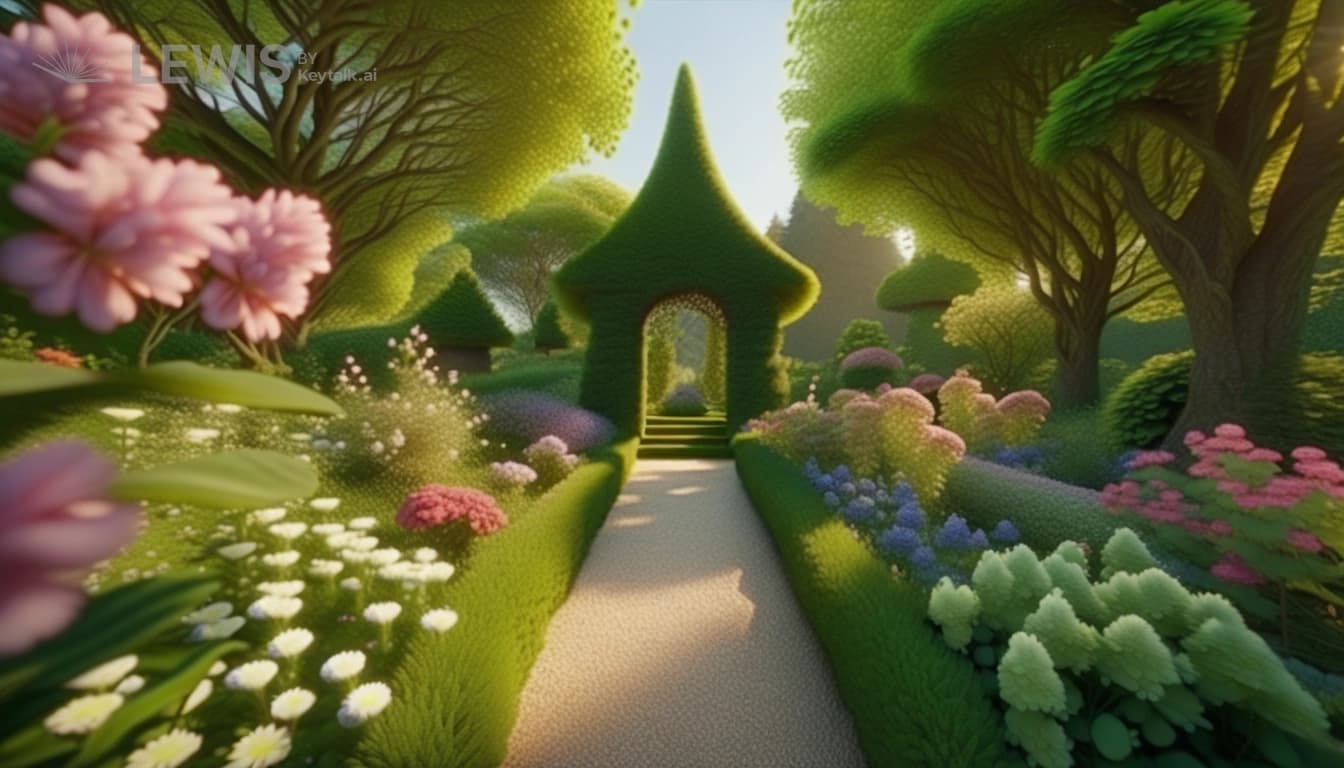
As Leonardo arrives in the forgotten land, he is struck by the stunning natural beauty and the harmonious integration of the magical society with their surroundings. Astrid, now a respected herbalist and healer, welcomes him with a mixture of warmth and caution. Her calm demeanor and profound wisdom contrast sharply with Leonardo's driven and sometimes overbearing nature. Despite their differences, the rekindled bond between Leonardo and Astrid is palpable, and they quickly fall into a rhythm of collaboration and mutual respect. However, their relationship is tested as they face trials of ambition and moral integrity, both personal and professional.
The project to design the utopian city requires solving ancient riddles left by the land's original inhabitants, a task that draws them to Haruto Watanabe, a reclusive historian with a deep knowledge of the past. Haruto's striking intellect and quiet intensity make him an invaluable ally, though his guarded nature and professional betrayals have left him wary of others. As Leonardo, Astrid, and Haruto delve into the riddles, they uncover secrets about the land's history and the mistakes that led to the downfall of its previous civilization. These discoveries challenge their beliefs and force them to confront their own flaws and aspirations.
Throughout the journey, Leonardo grapples with the legacy of his late father, a renowned architect whose shadow looms large over his career. His self-proclaimed perfectionism drives him to push the boundaries of design, but it also threatens to alienate him from those he cares about most. Astrid, on the other hand, struggles to balance her duty to her people with her personal aspirations. Her empathy and pragmatism become crucial as she navigates the complex interplay of ambition and integrity. Haruto, with his strong moral compass and deep respect for tradition, provides crucial insights that challenge the protagonists' views and guide them towards a more ethical path.
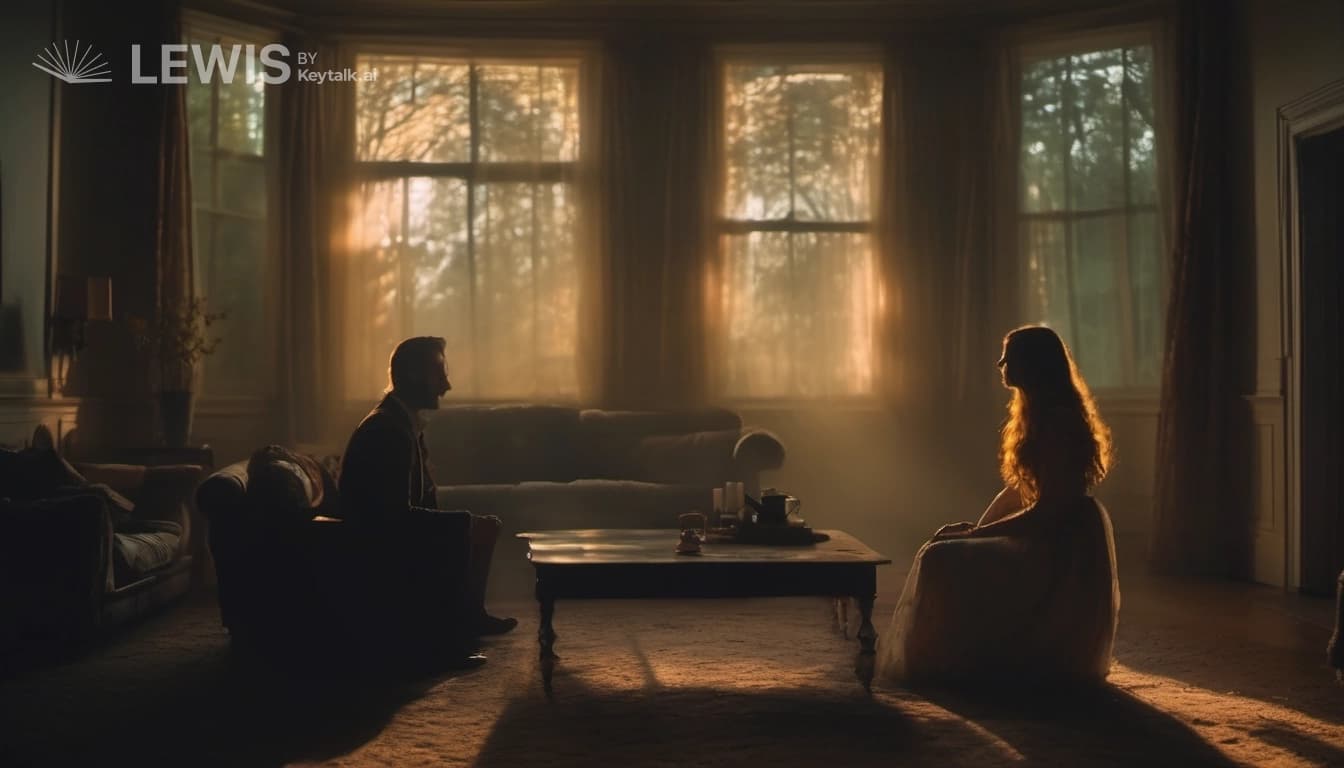
As the project progresses, tensions rise between Leonardo and Astrid, culminating in a heated argument that threatens to unravel their rekindled bond. Leonardo's ambitious nature clashes with Astrid's cautious approach, and both must confront their deepest fears and insecurities. Haruto's wisdom and guarded heart play a pivotal role in mediating their conflict, reminding them of the importance of collaboration and mutual respect. The trio's journey is fraught with challenges, but their shared goal of preventing history's darkest mistakes ultimately brings them closer together.
In the end, Leonardo, Astrid, and Haruto successfully solve the ancient riddles and design a utopian city that honors the land's history and its magical inhabitants. The process of collaboration and personal growth transforms them, allowing them to heal old wounds and forge a stronger bond. Leonardo's innovative designs and Astrid's deep understanding of nature create a city that inspires and uplifts, while Haruto's historical insights ensure that the mistakes of the past are not repeated. The story concludes with Leonardo and Astrid standing side by side, looking out over the completed city, their rekindled bond and shared vision a testament to the power of friendship, integrity, and collaboration.