The Feast That Broke Us cover image

The Feast That Broke Us

In a fading mountain village where winter storms isolate families for months, a grieving baker battles crippling memories while preparing the town’s last communal feast. As she kneads dough laced with forgotten spices, she begins to uncover long-suppressed secrets among the villagers—forcing them each to choose between exposing the sins that broke them or forging tenuous forgiveness over a meal that could become either bond or reckoning.

Weekly ranking

rank icon image
#3 inCharacter
rank icon image
#7 inTheme
rank icon image
#9 inCharacter
Scroll

Plot Synopsis

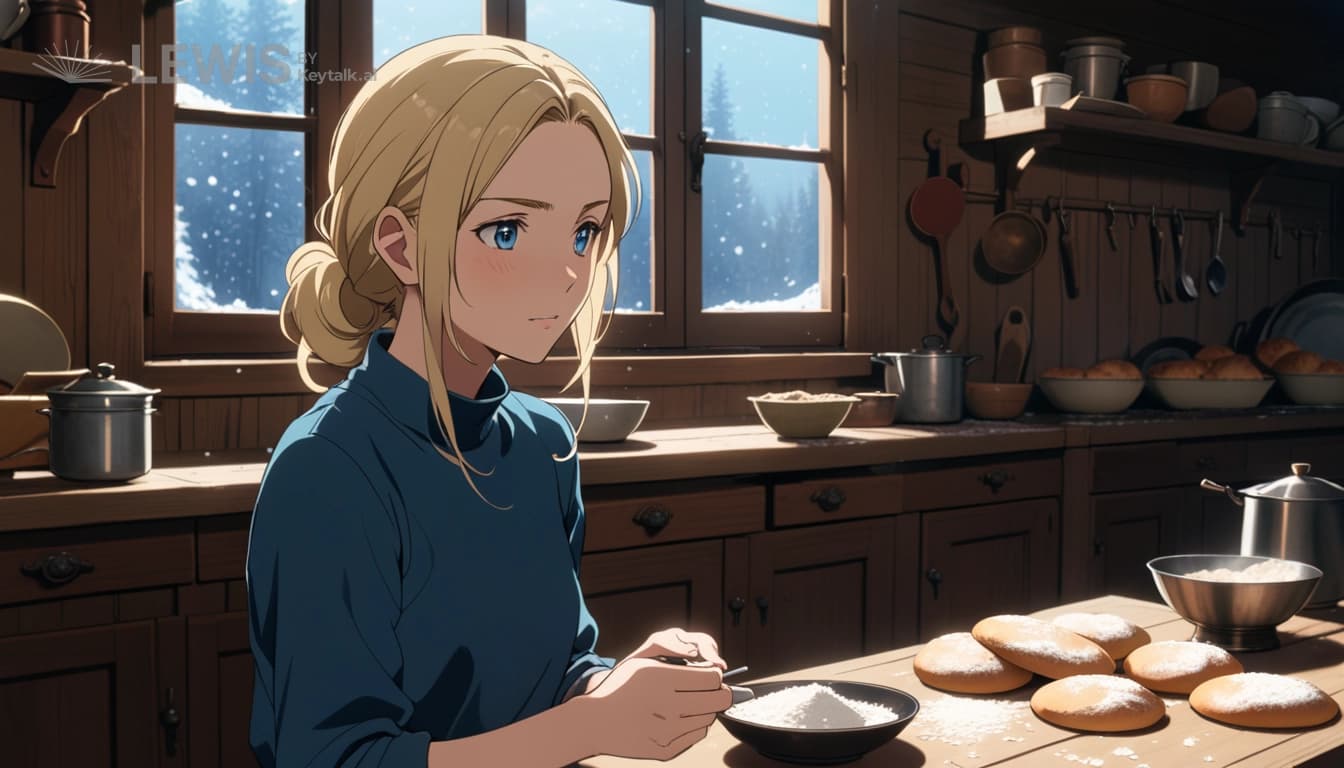
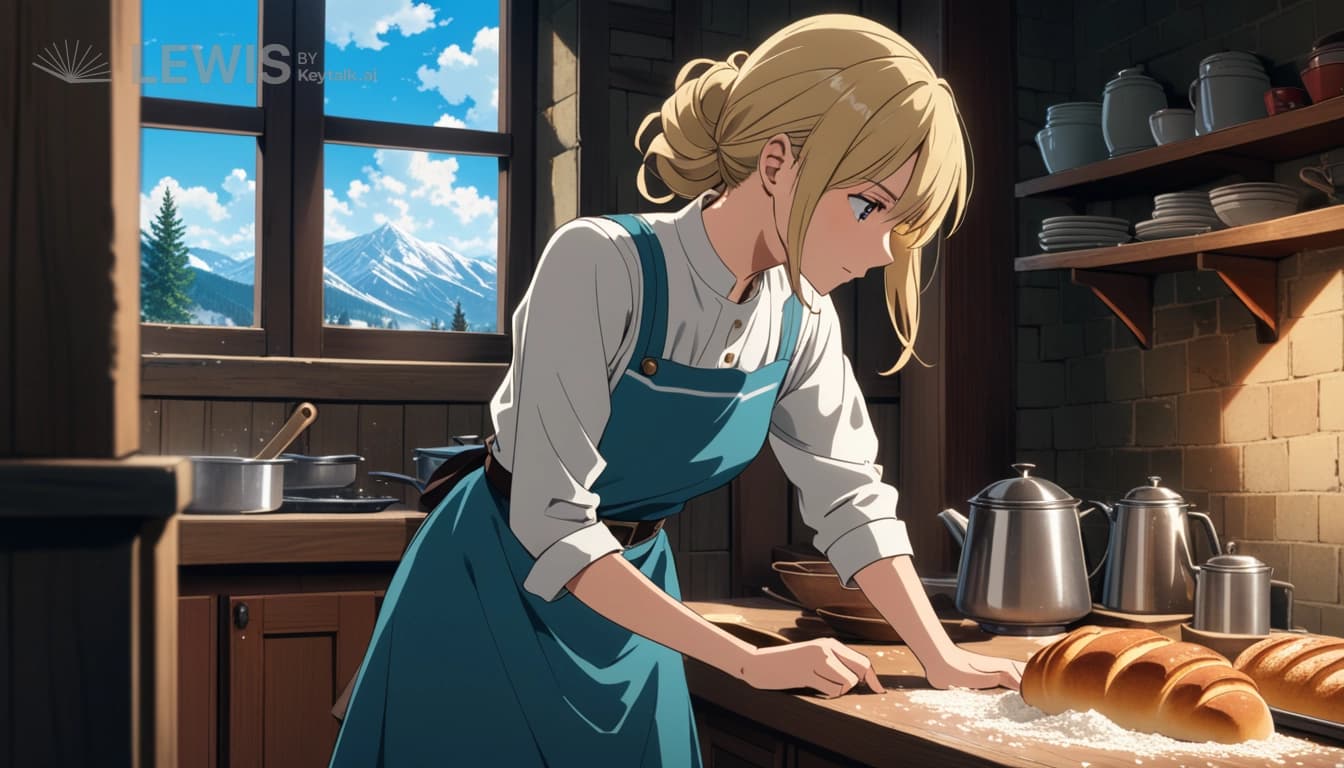
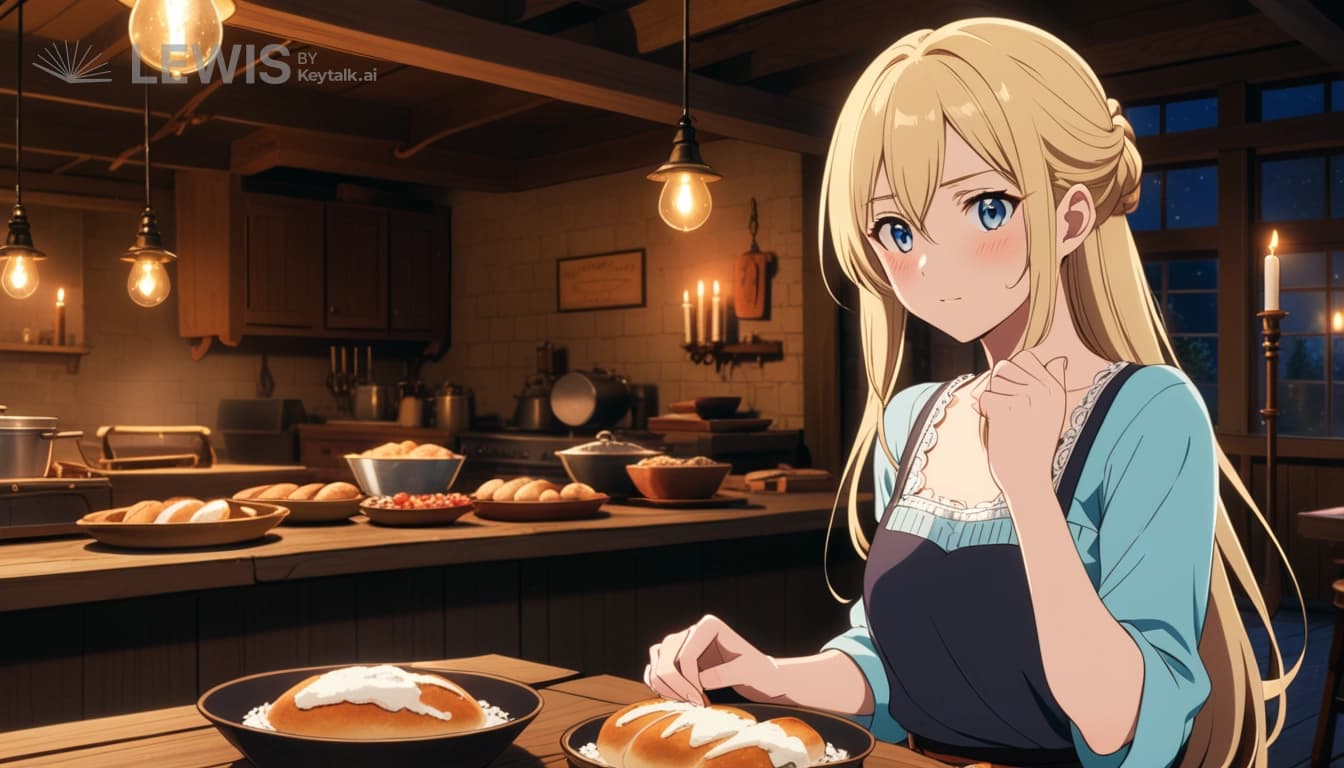
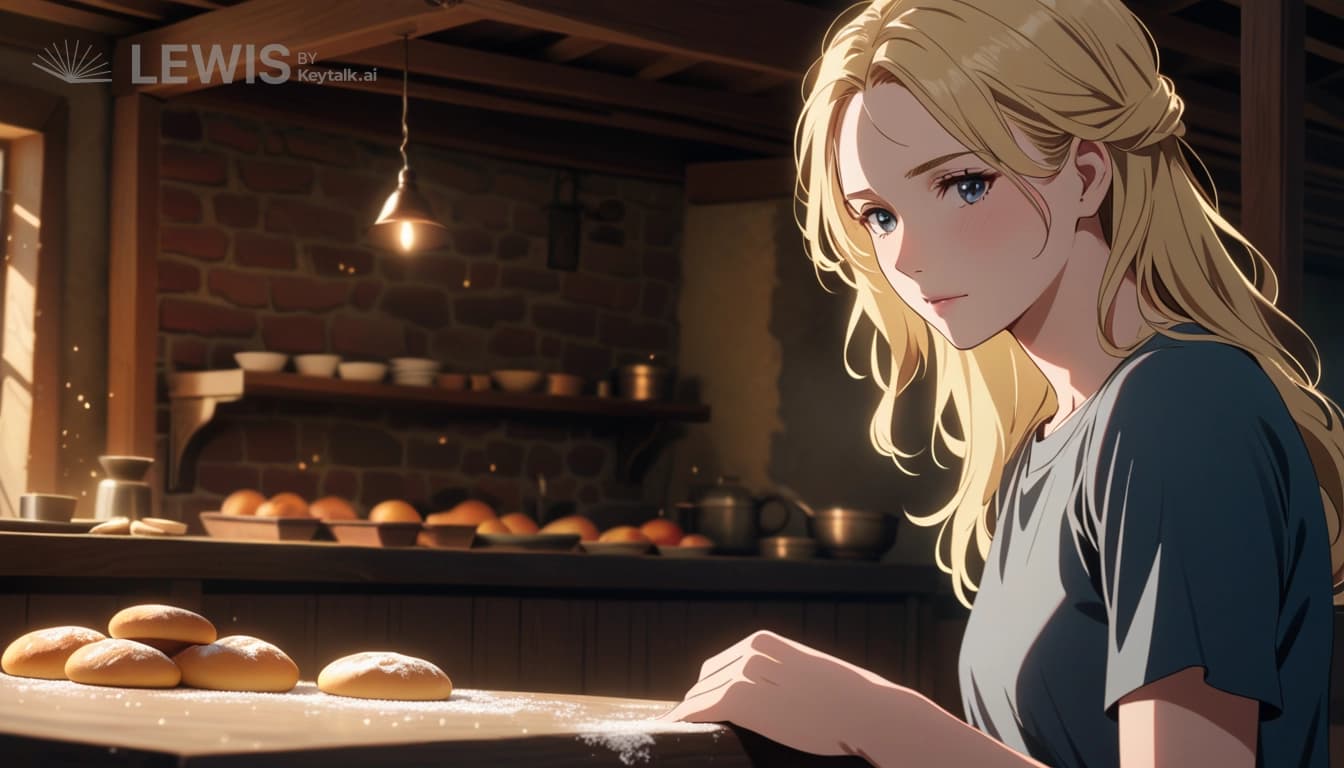
The first snow comes early, thick and unrelenting, sealing the old logging road and cutting Hartley’s Cradle off from the outside world. Rain stands in her bakery at dawn, hands plunged into dough, knuckles white with effort, as the wind howls against the windows. She’s been awake for hours, haunted by dreams of her brother’s voice—gone now, three winters past, the avalanche swallowing him whole. The town’s annual Midwinter Feast is approaching, and this year, the village has dwindled to just a handful of stubborn souls. Rain tells herself she’s baking for survival, for tradition, but what she wants most is to feel something other than the ache in her chest. She kneads memories into the dough—cardamom, nutmeg, a pinch of bitter orange, flavors her grandmother whispered about but never wrote down. The scent pulls people in, and Rain pretends not to care.

Abram Silvers, the council leader, arrives before sunrise, boots caked in frost, scarf wound tight as armor. He carries a ledger and a request: the feast must be perfect, a last stand against the creeping sense that the town is dying. Abram’s life is a series of rituals, each intended to stave off chaos, and Rain’s unpredictable spirit is both a comfort and a threat. He wants her to stick to the old recipes, the ones that have kept the village together for generations, but Rain bristles at his instructions. Their arguments are half tradition, half flirtation with rebellion—Rain pushing for change, Abram insisting on order. Underneath, both are driven by loss: Rain by her brother’s death and the secrets it left behind, Abram by the ghosts of a wife and son he failed to protect.

Anara Kaur, the herbalist, slips into the bakery as the first loaf comes out of the oven, trailing the scent of wild mint and woodsmoke. Her presence is an affront to Abram, a reminder that not everyone fits the village’s mold. She brings Rain dried sumac, wild rosehips, and a story about a hidden spring that never freezes. Anara isn’t here just for the feast—she’s here to heal wounds the council won’t name, to coax secrets from the silent and the stubborn. She and Rain strike an uneasy alliance: Rain needs Anara’s knowledge, Anara needs Rain’s kitchen to experiment. Their laughter and late-night confessions unsettle Abram, who suspects that Anara’s meddling will unearth more than new flavors.

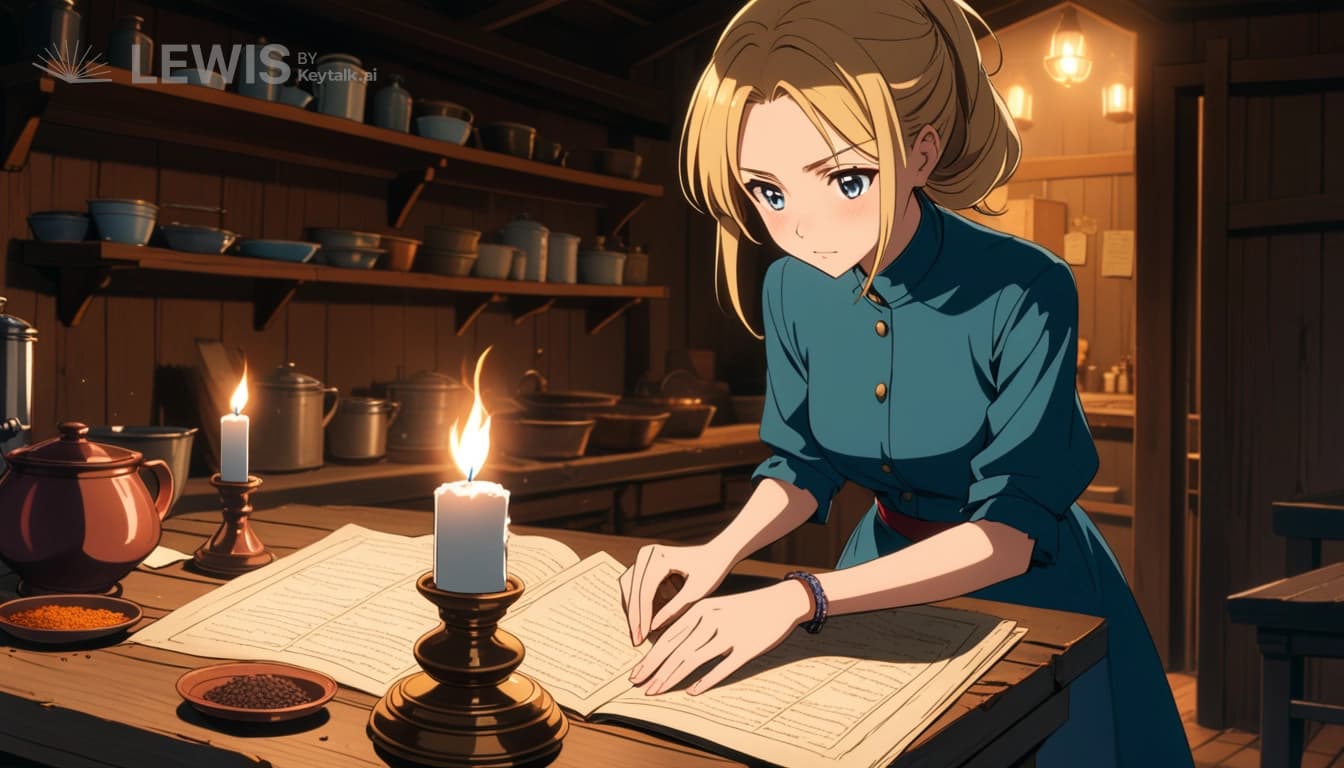
As the days shorten, tension thickens. Rain finds a faded recipe tucked in the spine of her grandmother’s ledger, scrawled in a foreign hand. The list of ingredients includes a spice Rain can’t name—something she remembers from her brother’s last feast, the one where laughter curdled into argument and he stormed out into the snow, never to return. Anara identifies the spice as ajwain, used to “ward off bitterness” in her own family’s kitchen, but warns that it can also bring buried things to the surface. Rain, restless and reckless, decides to use it in the bread for the feast, hoping to conjure not just lost flavors, but the truth about her brother’s disappearance.

Word spreads that Rain’s bread will be something new—something old, too, but not quite safe. On the night of the feast, the villagers gather in Hartley’s Hearth, the air thick with anticipation and dread. Abram opens with a speech about unity, his voice steady but his eyes flickering to Rain and Anara. The bread is broken and passed, the taste unfamiliar and electric. Conversation stumbles, then surges—old grievances surface, accusations long repressed spill out. Abram’s authority is challenged; Anara presses him about the council’s role in Rain’s brother’s death, hinting at a cover-up to protect the village’s reputation. Rain, shaken but defiant, demands answers. The room divides—loyalties shift, alliances fracture, secrets tumble out like stones from a thawing cliff.

In the aftermath, the village teeters on the brink of collapse. Abram, forced to confront his failures, confesses: the avalanche that killed Rain’s brother was not just an act of nature but a consequence of shortcuts taken by the council, desperate to stave off economic ruin. He had helped hide the truth, believing it would keep the village together. Rain’s anger is volcanic—she threatens to leave, to let the town starve on its secrets. Anara, caught between empathy and outrage, urges Rain to stay, to remake the village in the open air of honesty rather than the shadows of tradition. The feast ends not with warmth, but with a charged, uncertain silence.

As the storm rages outside, Rain faces a choice: abandon the village to its own rot, or stay and risk rebuilding something new from the rubble of confession. She
Model Used
GPT-4.1
text
Stable Diffusion
image

Story Details

Keytalk Prompts Used
See all Keytalks
no chosen prompts
no chosen prompts
no chosen prompts
no chosen prompts
Model Used
GPT-4.1
text
Stable Diffusion
image

Character

Protagonist Character

Rain

GenderFemale
OccupationBaker (owner of Hartley’s Hearth)

Profile

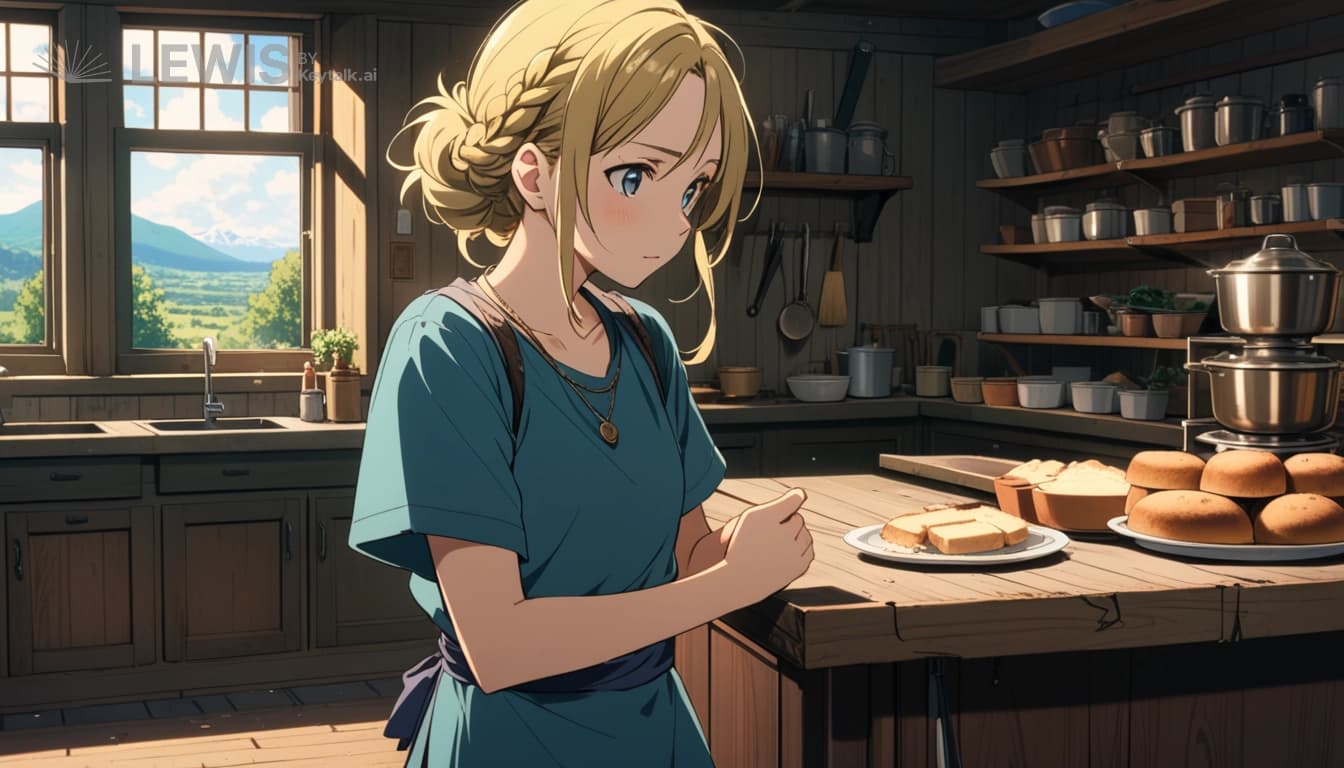
Rain, at twenty-five, cuts a striking figure in the dim light of Hartley’s Hearth, her bakery and the village’s unofficial gathering place. She’s tall and athletic, with long, sculpted legs and a kinetic presence that draws the eye even when she moves with brusque efficiency behind the counter. Her hair is a tousled halo of pale gold, usually twisted up with a smudge of flour streaking one cheek—an unintentional allure that’s never quite tamed by her utilitarian wool dresses and battered boots. Hardened by loss and a relentless winter, Rain keeps her words clipped and her manner gruff, wielding sarcasm as both shield and test. She’s never been shy about her sharp opinions or her unapologetic confidence, but beneath the surface, grief gnaws at her—fueling her tireless work ethic but also isolating her from the warmth she brings to others. Raised in the shadow of older generations’ secrets and their recipes, Rain is fiercely protective of tradition, yet her restlessness hints at a longing for something more than survival. She bakes with an almost sensual devotion, hands deft and sure, chasing flavors remembered from childhood and inventing new ones when memories fail her. Rain’s independence is legendary in the village, but her brittle exterior sometimes frays into unexpected tenderness—a trait she hides behind wry jokes and the rhythmic violence of kneading dough. Her speech is peppered with local slang and the occasional bite of profanity, a habit left over from years spent listening at the knees of old-timers who never censored themselves for her sake. Stubborn, magnetic, and haunted, Rain stands at the center of her world—both its provider and its unhealed wound, poised on the edge of a reckoning she’s not sure she wants. She is the protagonist, a modern reinterpretation of the classic resilient heroine, both the heart and the storm of her fading mountain home.
Antagonist Character

Abram Silvers

GenderMale
OccupationVillage Council Leader

Profile

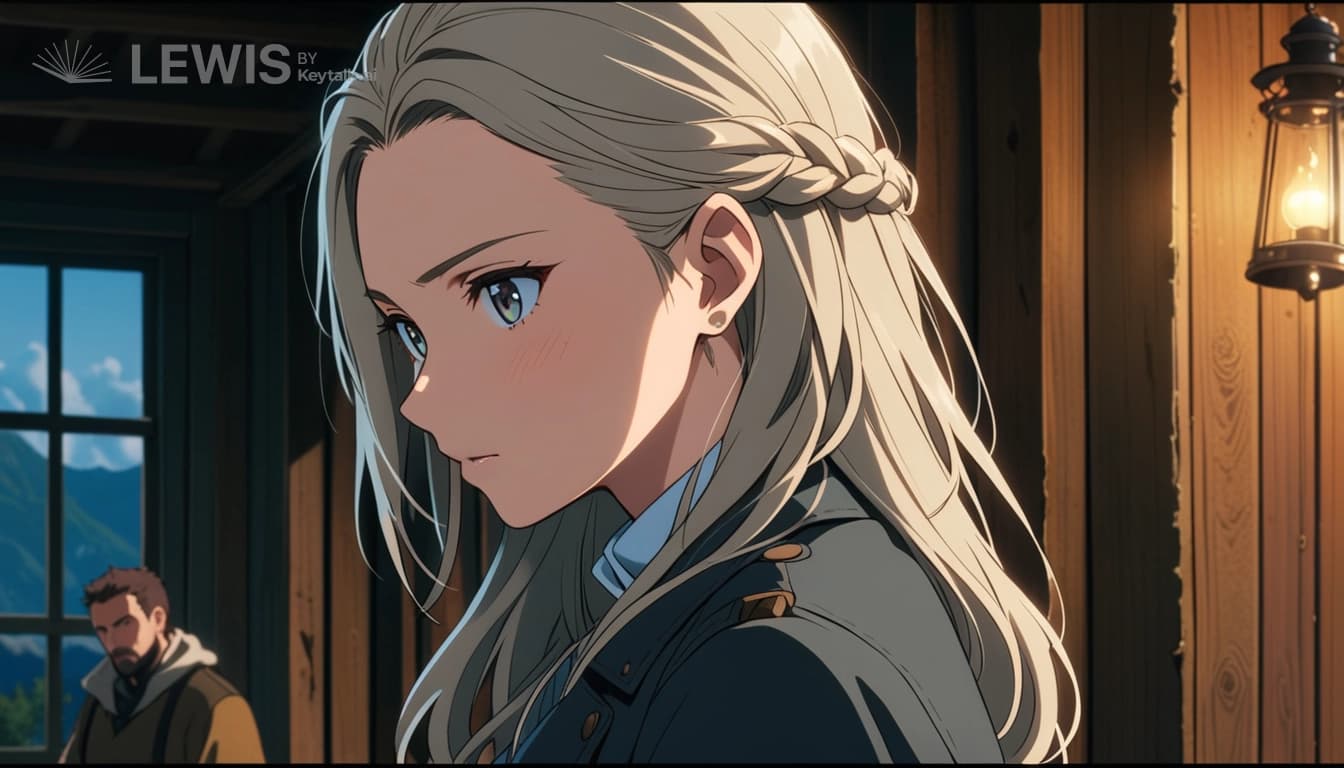
Abram Silvers, the 64-year-old Village Council Leader, has lived his entire life in the shadowy embrace of the mountains, his ancestry tracing back to generations of Eastern European settlers who etched the town’s traditions into stone and frost. Tall and broad-shouldered, he carries the physical remnants of a youth spent hauling timber and building walls—his hands thick, knuckles knotted, veins standing out like river maps. His face is a landscape of its own: square jaw dusted with perpetual grey stubble, deep-set hazel eyes under bushy brows, the left cheek marked by a pale, jagged scar from an accident he never discusses. Abram’s hair is iron-grey, swept back from a prominent widow’s peak, usually tucked beneath a battered wool cap. He favors heavy coats and hand-knitted scarves, always practical but meticulously neat, a subtle signal of his need for control. Abram speaks in clipped, deliberate sentences, his voice deep and gravelly, flecked with an old-country accent—words measured, often tinged with a cold politeness that hints at withheld judgment. His leadership style is rooted in order and tradition, and he is fiercely protective of the village’s secrets, seeing himself as their last bulwark against the chaos of change. Driven by a personal code shaped by loss and responsibility—having buried both a wife and son in winters past—he believes survival depends on communal unity, even if it means silencing uncomfortable truths. His relationships are transactional, built on mutual obligation rather than intimacy; he respects competence but distrusts sentiment, which he sees as dangerous indulgence. Yet, beneath his stern exterior lies a restless yearning for legacy—a hunger to be remembered not merely as a caretaker but as the architect of the village’s endurance. His flaw: a blindness to the wounds festering under his careful stewardship, and a stubborn refusal to acknowledge that forgiveness, not just discipline, might be what saves them. Abram’s habits—ritualistic morning walks, compulsive note-taking, and an obsession with weather patterns—reflect his belief that predictability is safety. Everything about him—his speech, his dress, his posture—signals a man at war with entropy, poised to oppose anyone, even the grieving baker, who threatens the fragile order he’s spent a lifetime defending.
Sidekick Character

Anara Kaur

GenderFemale
OccupationTraveling Herbalist and Folk Healer

Profile

Anara Kaur, a 33-year-old traveling herbalist and folk healer of Punjabi descent, stands out in the snowbound village with her striking presence: medium height and agile, with a lean, weather-hardened build honed by years wandering highland trails. Her skin is olive-toned, often wind-chapped, and her expressive, almond-shaped eyes—deep brown flecked with gold—hold stories she rarely tells. She wears her thick, black hair in a messy braid adorned with dried wildflowers and scraps of colored cloth, reflecting both practicality and a subtle rebellion against the village’s somber uniformity. Her clothing is an eclectic patchwork—layered wool skirts, sturdy boots, and a faded green jacket heavy with pockets stuffed with roots and leaves. Anara’s hands, scarred and nimble, are always busy; she’s a compulsive tea-blender and a midnight stargazer, often humming old songs under her breath. Raised on the move between remote settlements after her family was cast out in a scandal, Anara learned to rely on observation, empathy, and improvisation rather than tradition. She’s blunt but not cruel, her speech peppered with sing-song Punjabi idioms and abrupt laughter, often challenging the village’s rituals and the council’s authority with candid questions. Though she’s a confidante to the grieving baker Mabel, her motivations are independent—driven by a restless hunger to heal what’s broken, not just in bodies but in the silent, shivering hearts around her. Her skepticism toward power figures like Abram Silvers is rooted in witnessing abuses and secrets buried by “community leaders” elsewhere, making her both an ally and a thorn. Anara’s approach to problems is tactile and experimental, preferring action to endless debate, and her firm belief that “medicine is memory” means she’s drawn to stories others wish would stay buried. She dreams of finding a place to belong, but fears that true home requires uncomfortable honesty, not just comfort. Her stubborn independence sometimes edges into isolation, and her tendency to meddle—mixing healing herbs with hard truths—means she both bridges and complicates the divide between Mabel’s quiet suffering and Abram’s iron-fisted leadership.

Keytalk Prompts Used

Protagonist Character
leggy
sexy_blonde
babe
Model Used
GPT-4.1
text
Stable Diffusion
image

World

Location/Time, Era:
Hartley’s Cradle is a mountain village straddling the edge of the world—cradled in a narrow valley carved by ancient glaciers, hemmed in by pine-dark slopes and knife-edged ridgelines. The story unfolds in the present day, but here, the outside world’s progress is a rumor muffled by winter’s relentless siege: the first snow arrives in late October and, most years, doesn’t release its grip until April. The village’s isolation is total once the logging road ices over; no vehicles, no mail, no cell service—just wind, memory, and the steady rhythm of survival. Time crawls in the cold months, each day measured in firewood and footsteps, the calendar anchored by ancestral festivals whose origins are as hazy as the mountains in a blizzard. All that matters is what can be grown, gathered, or remembered.

Key rules of the world and their impact on the story and beyond:
Survival in Hartley’s Cradle depends on community interdependence—no one lasts a winter alone. The village is governed by an unwritten code: secrets are tolerated if they preserve unity, dissent is discouraged, and tradition has the force of law, especially when enforced by the council. The Midwinter Feast is the single event that tests these rules: each family must contribute, every grudge must be swallowed for one night, and any break in ritual is seen as a threat to everyone’s future. But the rules are brittle; beneath the surface, debts and betrayals fester, and the act of introducing new ingredients—literal or metaphorical—can destabilize the entire social fabric. The world punishes those who challenge tradition, but it punishes even more harshly those who let rot go unchecked.

Visual depiction of the world and its unique features:
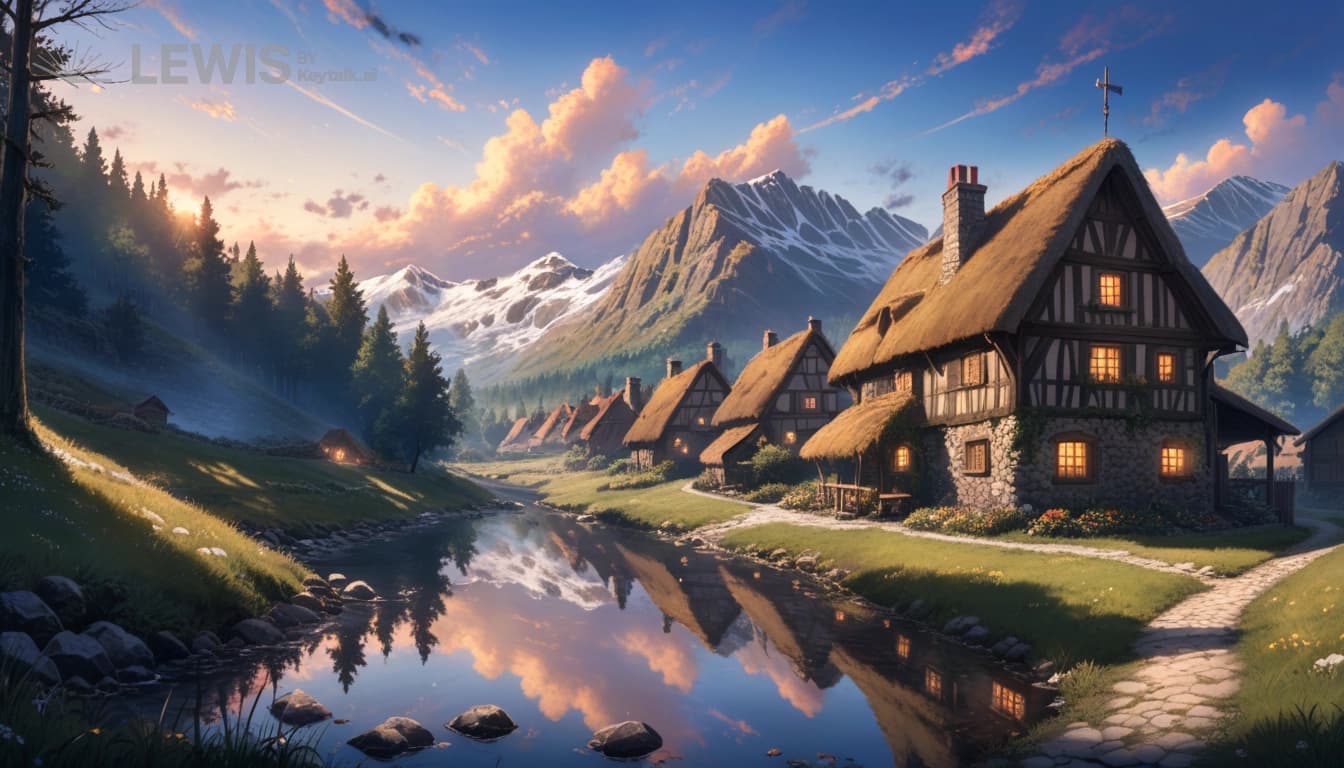
The village itself is a scatter of steep-roofed timber cottages, their walls patched with generations of repairs, windows aglow with oil lamps against the blue-white gloom. Narrow lanes twist between houses, flanked by snowdrifts taller than a man; woodsmoke curls in lazy ribbons, mingling with the sharp resin of pine and the faint, spicy tang from Rain’s bakery. Hartley’s Hearth, the bakery and de facto meeting house, is the warmest place for miles—flagstone floors dusted with flour, shelves lined with mismatched mugs and jars of preserved fruit, a battered piano sagging in the corner. At the edge of the village, a half-collapsed sawmill and a frozen millpond serve as reminders of better times. The mountains are both prison and sanctuary: beautiful, implacable, and always threatening to reclaim what’s left.

Notable technology, philosophy, or cultural elements influencing the world and narrative:
Electricity sputters on a microgrid powered by a temperamental diesel generator, rationed so strictly that most homes rely on wood stoves and candlelight. Tradition is the village’s true technology: recipes passed down by word of mouth, herbal cures for frostbite and grief, communal work parties for splitting logs or mending roofs. Outsiders are rare, and their ideas—like Anara’s experimental medicine or Rain’s hybrid recipes—are met with suspicion or outright hostility. The prevailing philosophy is one of stoic endurance: suffering is private, emotions are rationed, and forgiveness is a dangerous luxury. Yet the feast, with its demand for both honesty and unity, exposes the cracks in this ethic—forcing everyone to choose whether to cling to the safety of the old ways, or risk the chaos and possibility of something new.
representative image
location 1 image

Location 1

Title: The Echo Cellars Beneath Ashen Hill
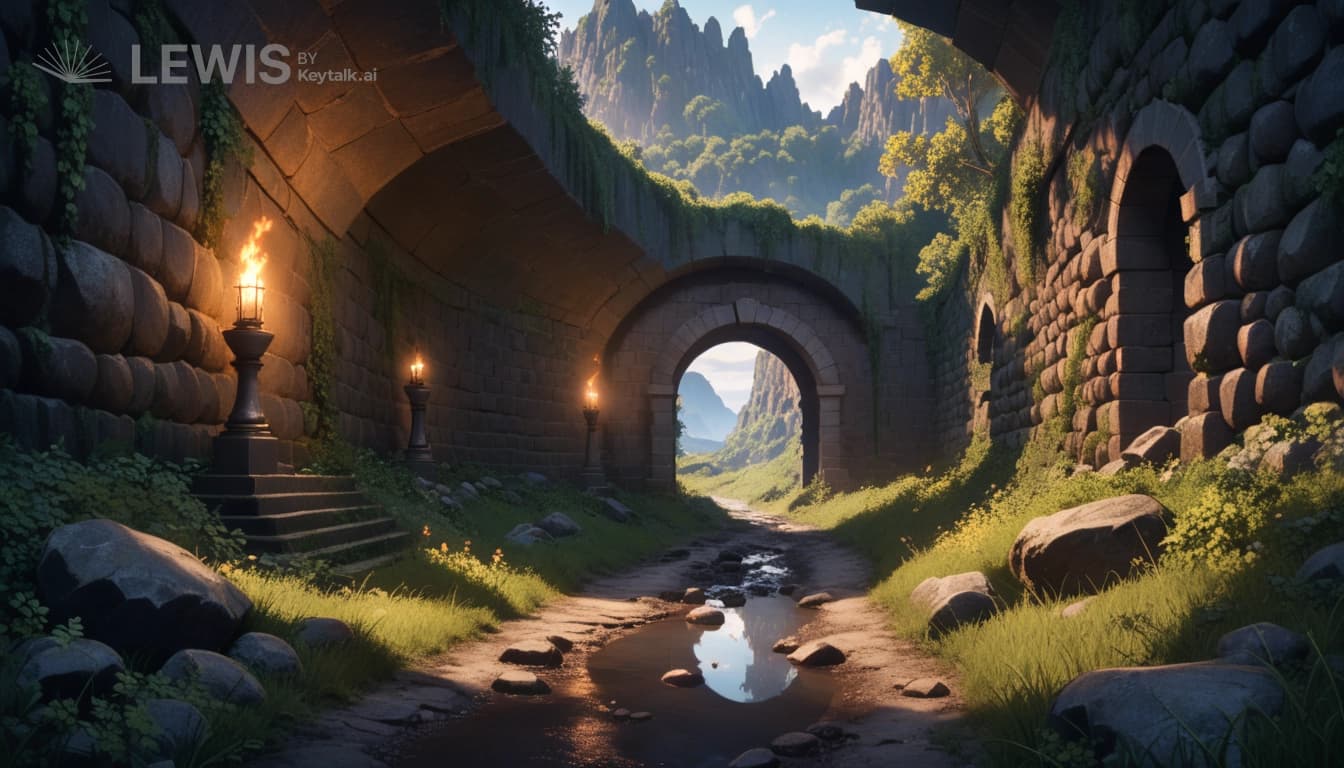
Description: Hewn from volcanic stone and lined with warped pine shelves, the Echo Cellars sprawl in twisting, torch-lit tunnels beneath Ashen Hill—walls sweating with cold and the ghost of fermenting apples. Here, each footstep is doubled by a whisper from the past, and the townsfolk store not just their winter larders but the secrets they dare not speak above ground. It was in these damp, echoing vaults that Rain’s brother last argued with Abram, voices ricocheting until the stone itself seemed to pulse with the memory of betrayal.

Where is this location in the real world?

Grotta di Pastena

Address

Via della Grotta, 04020 Pastena FR, Italy

Reason for recommendation

The cavernous tunnels carved from stone, cool humidity, and natural alcoves lined with rough rock evoke the labyrinthine, eerie atmosphere of the Echo Cellars described beneath Ashen Hill.

Preparation for shooting

Supplement torch-lit effects and bring in warped pine shelving as set dressing; ensure controlled humidity for equipment and actors' comfort, and plan for low-light cinematography to capture the haunting ambiance.

location 2 image

Location 2

Title: The Lantern House of the Outroad Keepers
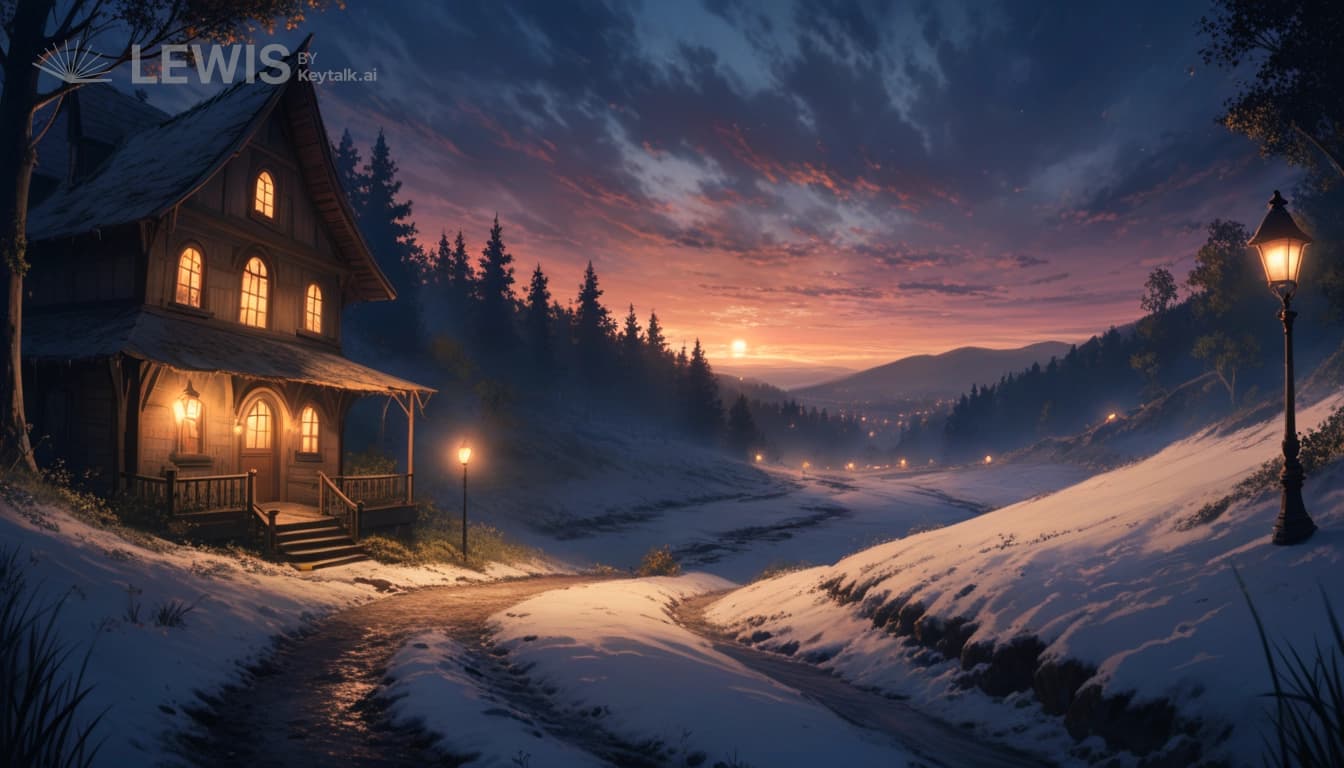
Description: Half-buried in drifts at the edge of the forest, the Lantern House stands crooked and bright, its warped windows flickering with oillight that never seems to die, no matter how fierce the storm. Inside, the walls are hung with battered coats and old maps stained by decades of snowmelt, every surface cluttered with lanterns—some lit for the living, others left burning for those lost to the woods. It’s here, amid the hush of boots drying by the hearth and the sharp tang of kerosene, that the truth about the avalanche is first whispered, the air thick with dread and the memory of all the roads that no longer lead home.
location 3 image

Location 3

Title: Frostlace Market at the Broken Bridge
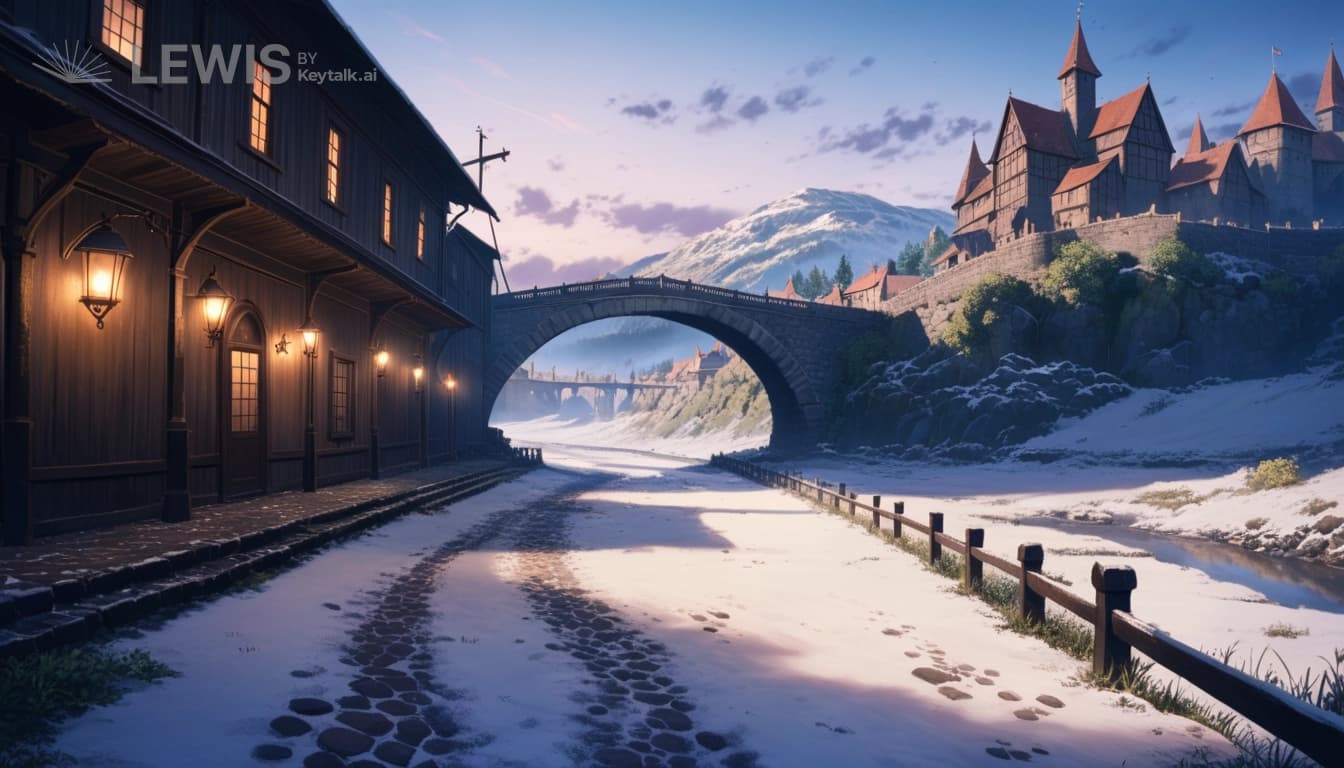
Description: At the edge of Hartley’s Cradle, where the snow heaps high and the world narrows to a hush, Frostlace Market sprawls beneath a sagging iron bridge half-swallowed by drifts. Once a riot of color and barter, now only a handful of stalls remain—weathered canvas snapping, lanterns flickering with stubborn hope, tables dusted with frost and memories. Here, Rain’s bread—hot, fragrant, laced with ajwain—meets the cold air, and the market becomes a crucible: secrets and accusations thawing in the space where old commerce once tried to keep loneliness at bay.
Model Used
GPT-4.1
text
Stable Diffusion
image

Scenes

scene 1 image
Scene 1
Dawn Kneading: Rain, Her Brother’s Ghost, and the First Snow
[Place] - Rain’s bakery, a cramped, warm haven nestled near the silent main street of Hartley’s Cradle
[Time] - Pre-dawn, as the first heavy snowstorm of the season blots out the world beyond the windows

[Action]
Rain wakes before the rest of the village, her sleep fractured by haunting dreams of her lost brother—his voice echoing in the wind and the ache in her chest. The bakery is cold, but she lights the stove and plunges her hands into dough, working through memory and grief as the storm rattles the windows. The snow outside is relentless, burying the last road and sealing the village’s fate for the winter; this physical isolation mirrors Rain’s own sense of being cut off from the world. She bakes with ferocity, measuring spices by instinct and memory—cardamom, nutmeg, the bitter orange her grandmother once prized—mixing tradition with defiance. As the first loaves rise, Rain’s thoughts spiral between guilt over surviving and anger at the town’s refusal to speak of her brother’s death. She tells herself the baking is about survival and the upcoming feast, but every motion is a silent argument with the ghosts she can’t escape. The scents of her kitchen become both a comfort and a challenge to the emptiness outside, drawing the attention of anyone awake this early. The world outside is all snow and silence, but Rain’s kitchen pulses with stubborn life, each kneaded loaf an act of resistance against despair. This is the first sign that Rain isn’t content to let tradition dictate her actions—she’s poised on the edge of change, even if she can’t yet admit it to herself.

[Impact on the story]
This scene grounds the story in both the physical and emotional isolation of Hartley’s Cradle, establishing Rain’s grief and her complicated relationship to tradition. It sets up her need for connection and her drive to create something meaningful, even as she resists the confines of the past. The snowstorm reinforces the stakes: the village is trapped, and so is Rain, with her grief and unresolved questions. Readers feel the tension between survival and surrender, and sense that Rain’s choices will ripple far beyond her kitchen.

[Description]
Rain, haunted by her brother’s memory, bakes alone at dawn as the first storm seals the village off from the world. Her grief and anger simmer in every loaf, foreshadowing a coming clash between old traditions and the need for change. This opening scene establishes the emotional stakes and isolation that drive the story forward.

Unveil the Script Behind the Scene

INT. HARTLEY’S HEARTH BAKERY - PRE-DAWN

A battered iron stove glows in the corner, casting restless shadows. RAIN (25) – tall, athletic, tousled hair twisted up, flour smudged on her cheek – slams a fistful of dough onto the scarred countertop. Her jaw is set, eyes raw from sleeplessness. Outside, snow piles against the window, smothering the village in silence.

Rain kneads with furious precision. Her breath clouds the cold air. She glances at a faded photograph taped above the spice rack—her brother, grinning, wind in his hair. Rain’s lips tighten; she grabs a fistful of cardamom, tosses it in without measuring.

The door creaks. ANARA (33) – lean, olive-skinned, wildflowers braided in her black hair – slips inside, boots trailing snow. She shuts the door, shaking out her jacket, eyes scanning Rain’s face.

ANARA
(soft, teasing)
You’re up before the ghosts, Rain. You trying to outrun them or feed them?

Rain doesn’t answer. She punches the dough, shoulders hunched.

RAIN
(gruff)
If they’re hungry, they can wait like everyone else.

Anara moves closer, fingers tracing the dough’s edge, gentle. Rain flinches, wipes her hands on her dress.

ANARA
(quiet)
You heard the wind last night? Whole mountain grieving.

RAIN
(scoffs)
Mountains don’t grieve. They just bury things.

A sharp knock rattles the doorframe. ABRAM SILVERS (64) – broad, iron-grey hair, heavy coat, scar on his cheek – looms in the entryway. His gaze sweeps the room, lingering on Rain’s hands.

ABRAM
(gravelly, deliberate)
Storm’s sealed the pass. We’ll need twice the bread, Rain. No mistakes.

Rain meets his eyes—defiant, unyielding.

RAIN
(flat)
Mistakes are tradition around here, aren’t they?

Abram’s mouth twitches, unreadable. Outside, the snow swirls, relentless.

CUT TO BLACK.
scene 2 image
Scene 2
[Title] - Ledger and Lament: Abram’s Demands, Rain’s Defiance, and an Unspoken Attraction

[Place] - Rain’s bakery, still warm from the morning’s first baking, with the storm pressing hard against the windows and the scent of spices clinging to the air

[Time] - Just after sunrise, the snow outside deepening, the village eerily hushed as if holding its breath

[Action]
Abram Silvers arrives at the bakery, shaking snow from his coat, bringing the cold in with him—an intrusion that startles Rain out of her solitary rhythm. He carries his ledger with a sense of ceremony, as if the fate of Hartley’s Cradle is balanced between its covers. His purpose is clear: he needs Rain’s help to make the Midwinter Feast a beacon of hope, an assertion that the village is not yet lost. He insists she stick to the old recipes, pressing her with arguments about tradition and unity, but there’s an edge of desperation beneath his formality—he’s fighting for control in a world slipping away. Rain resents the demand, her grief and rebellion flaring as she pushes back, suggesting new flavors and questioning the point of rituals that have failed to protect anyone. Their exchange is sharp, the tension between them layered with something unspoken—shared loss, unacknowledged longing, the ache of two people who have both loved and lost. Abram’s authority is tested as Rain makes it clear she won’t be bullied into preserving the past for its own sake. Their argument is interrupted by a fleeting moment of connection—perhaps a hand brushing flour from Rain’s cheek, a silence heavy with everything neither will say. The scene ends with Abram unsettled and Rain more determined than ever to do things her own way, the air thick with challenge and unresolved attraction.

[Impact on the story]
This scene establishes the central conflict between Rain and Abram—tradition versus change, order versus creativity—and reveals the emotional vulnerabilities that drive both characters. Their clash sets the stakes for the upcoming feast and hints at deeper secrets and unresolved feelings. The tension between them isn’t just ideological; it’s personal and magnetic, complicating their roles in the village’s survival. Rain’s defiance signals the beginning of a shift, while Abram’s insistence underscores just how fragile the community’s unity has become.

[Description]
Abram confronts Rain in her bakery, demanding tradition for the Midwinter Feast, but Rain refuses to be controlled. Their argument is charged with loss and unspoken desire, setting up a battle between the old ways and Rain’s need for change. The encounter leaves both unsettled, the bakery charged with tension and the promise of upheaval.
scene 3 image
Scene 3
[Title] - Wild Mint and Forbidden Springs: Anara’s Arrival and a Secret Bargain in the Bakery

[Place] - Rain’s bakery, midday, the warmth inside fighting the encroaching chill; counters dusted with flour, trays cooling by the window, and the storm’s muffled roar beyond the glass

[Time] - Later the same day, after Abram’s visit, as the light struggles through thickening clouds and the snow continues to fall

[Action]
Anara Kaur enters the bakery without announcement, her arrival quiet but undeniable, carrying with her the crisp, earthy scent of wild mint and the subtle tang of something feral—dried sumac, wild rosehips, and a pouch of mysterious seeds. She offers Rain these gifts, along with the tale of a hidden spring deep in the woods, a place untouched by frost, rumored to be a source of healing and memory. The exchange is intimate but tense; Rain is wary, still raw from her clash with Abram, but Anara’s presence stirs curiosity and a longing for something outside the boundaries of tradition. Anara proposes an alliance: she’ll share her herbs and stories if Rain lets her use the kitchen for her own experiments, seeking new ways to keep the village alive. Their bargain is struck not just out of necessity, but a mutual hunger—for connection, for transformation, for secrets the council would rather keep buried. As they work side by side, the air shifts: Rain softens, laughing at Anara’s irreverence, while Anara confides stories of her own exile and suspicion in Hartley’s Cradle. Their growing camaraderie unsettles the atmosphere, hinting at the possibility of change and the threat of disruption. Abram’s warnings echo in the back of Rain’s mind, but she pushes them aside, drawn to Anara’s defiant hope. The scene closes with Rain tucking away the pouch of ajwain seeds—unaware that the decision to use them will ripple through the village, and through her own haunted past.

[Impact on the story]
This scene weaves Anara into the heart of the story, introducing her as both catalyst and confidante. Her alliance with Rain deepens the conflict between tradition and innovation, while also hinting at the hidden wounds and secrets both women carry. The introduction of the ajwain seeds and the story of the forbidden spring foreshadow the upheavals to come, setting the stage for Rain’s reckless choice and the unraveling of the village’s fragile peace. The uneasy trust and shared longing between Rain and Anara complicate village dynamics, promising new alliances and conflicts that will challenge the status quo.

[Description]
Anara arrives at the bakery, offering rare herbs and a pact that binds her fate to Rain’s. Their tentative alliance—part necessity, part desire—sows the seeds of rebellion and transformation, while the secrets they share begin to challenge the village’s brittle traditions. The scene marks a turning point, as Rain opens her kitchen and heart to the possibility of change.
scene 4 image
Scene 4
[Title] - The Lost Recipe: Ajwain, Memory, and the Night Rain Nearly Breaks

[Place] - Rain’s bakery, after dark; the storm pressing hard against the windows, candlelight flickering over old ledgers and scattered spices

[Time] - The evening before the Midwinter Feast, hours after Anara’s visit, as the rest of the village retreats into uneasy anticipation

[Action]
Rain sits alone at her worktable, the hush of snowfall outside broken only by the tick of the clock and the soft crackle of the fire. She’s restless, unable to sleep, drawn back again and again to her grandmother’s battered ledger. In its spine, she discovers a faded recipe—written in a hand she almost recognizes, foreign but achingly familiar. The list of ingredients puzzles her, especially one: a spice she remembers only as a ghost on her tongue from the last feast with her brother, the night before he vanished. Rain wrestles with memory and guilt, recalling fragments of laughter and bitter words. She’s compelled to recreate the bread, believing it might summon answers, or at least a sense of connection to what she’s lost.

Anara returns quietly, sensing Rain’s turmoil. She identifies the mysterious spice as ajwain, explaining its dual nature—capable of soothing bitterness, but also stirring what’s buried. Rain hesitates, aware of the risk, but the need to know what happened to her brother overrides caution. The two women debate whether to use the ajwain, their conversation intimate and charged with longing and fear. Rain admits her desperation to break the numbness that’s settled over her life, and Anara warns that some truths, once unearthed, can’t be returned to the dark.

Together, they begin to bake: Rain measuring, Anara guiding, the air thick with memory and unspoken grief. Rain’s hands tremble as she works, and she confides in Anara about her brother’s last night, the argument that haunts her, and the feeling that the town is built atop secrets as deep as the snow outside. Anara shares her own story of exile and the cost of honesty in a place that fears change. As the bread rises, their alliance deepens, forged in vulnerability and shared risk. Rain decides to use the ajwain, sealing her commitment to confront the past at the feast, regardless of the consequences.

[Impact on the story]
This scene is a crucible for Rain’s emotional journey—a moment where longing for her brother collides with the need for truth. The rediscovered recipe and the decision to use ajwain mark a point of no return, setting up the explosive revelations of the feast. Rain’s bond with Anara intensifies, grounded in mutual pain and hope, while their choice to challenge tradition threatens to upend the village’s fragile unity. The scene also builds tension and anticipation, making the upcoming feast feel charged with possibility and dread.

[Description]
Rain and Anara uncover a lost recipe that promises both comfort and danger. Their late-night baking session, haunted by memory and simmering with risk, seals their resolve to challenge the village’s secrets. Rain’s choice to use the ajwain spice becomes a catalyst for the reckoning to come.
scene 5 image
Scene 5
[Title] - Feast of Reckoning: Bread, Bitter Truths, and the Fracture of Hartley’s Cradle

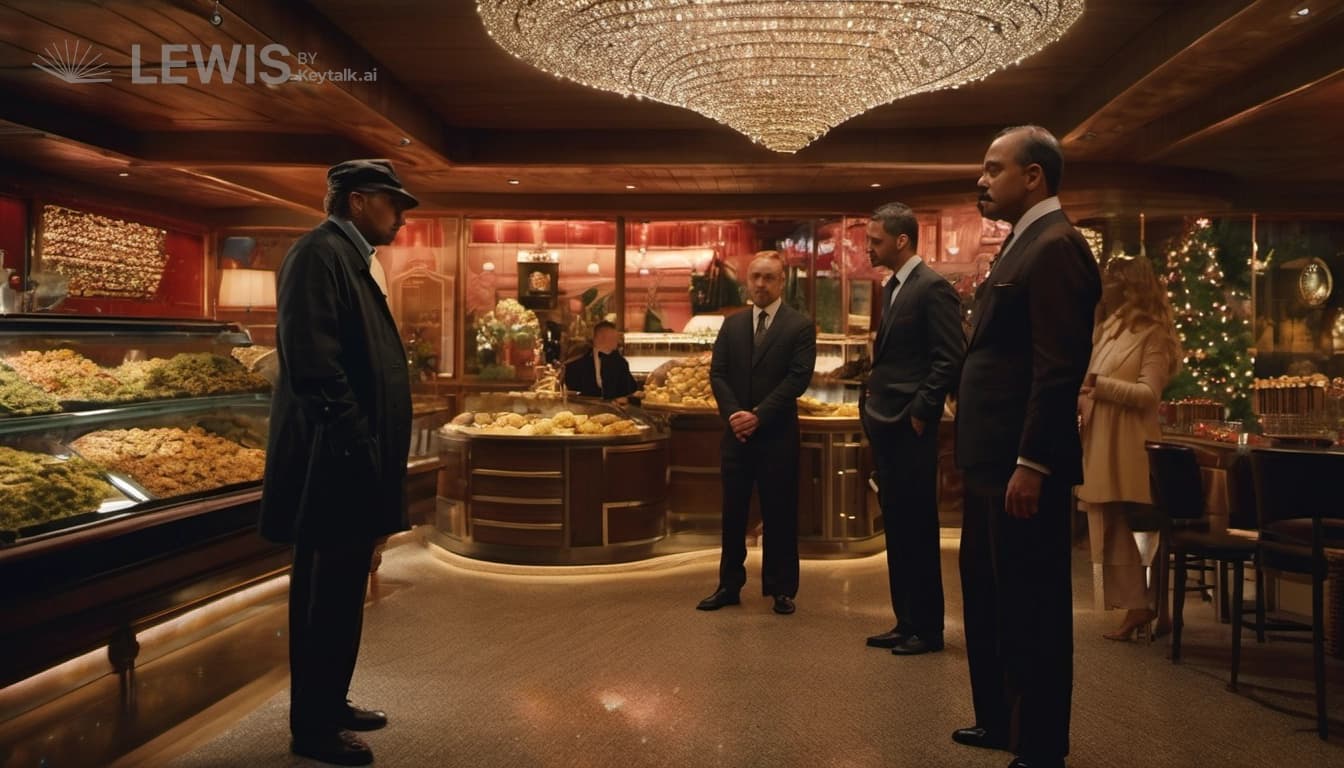
[Place] - Hartley’s Hearth, the village’s communal hall, crowded and claustrophobic beneath low, timbered beams; a long table set with candles, bread, and the weight of expectation.

[Time] - Night of the Midwinter Feast, as the snowstorm intensifies outside, trapping everyone together.

[Action]
The village gathers, a dwindling crowd whose faces flicker between hope and suspicion in the candlelight. Abram opens with a speech, his voice steady but eyes darting to Rain and Anara, signaling his unease. Rain sets the bread at the center, its unfamiliar aroma sparking curiosity and anxiety; villagers whisper about the new spice, some eager, others wary. Bread is broken and passed, but the taste unsettles—strange, electric, stirring old memories and grievances. Conversation stalls, then erupts: accusations simmer beneath polite exchanges before boiling over, as the ajwain seems to loosen tongues and bring long-buried resentments to the surface.

Abram finds his authority openly questioned for the first time, his rituals no longer enough to contain the unrest. Anara seizes the moment, pressing him about the council’s choices leading up to the avalanche that took Rain’s brother, hinting at a cover-up. Rain, emboldened and shaken, demands answers, her pain raw and her resolve unyielding. The room fractures—some villagers defend Abram out of fear and tradition, others rally to Rain’s cause, sensing the possibility of change. Loyalties shift; secrets spill out in heated exchanges, exposing the rot beneath the village’s unity.

Abram is forced to confess: the avalanche was the result of council-sanctioned shortcuts, a desperate attempt to save the town from economic ruin that ended in tragedy. He admits to hiding the truth, believing it would protect Hartley’s Cradle, but the confession only deepens the divide. Rain’s anger is volcanic, threatening to leave and let the village starve on its secrets. Anara tries to mediate, urging Rain to stay and help rebuild, but the atmosphere is charged and uncertain. The feast ends not in warmth, but in a heavy, unresolved silence, broken only by the storm’s fury outside.

[Impact on the story]
This scene shatters the illusion of safety and tradition that has kept the village together. Rain’s confrontation forces Abram’s confession, exposing the council’s culpability and igniting a crisis of trust. The villagers are divided, the old order destabilized, and Rain faces the possibility of abandoning everything she’s known. The emotional stakes are heightened for all three main characters—Rain, Abram, and Anara—as they must reckon with grief, guilt, and the cost of honesty. The communal fabric of Hartley’s Cradle is torn, and the story pivots toward the choice of whether to rebuild or let go.

[Description]
The Midwinter Feast becomes a battleground for truth, as Rain’s bread exposes buried secrets and fractures the village’s unity. Abram’s confession upends the old order, leaving Rain and the villagers to decide whether to rebuild in honesty or let the past consume them. The scene is charged, essential, and sets up the final reckoning.
scene 6 image
Scene 6
[Title] - Ruin and Renewal: Rain’s Choice, Abram’s Confession, and the Storm Outside

[Place] - Hartley’s Hearth, emptied of celebration, with the wind still battering the shuttered windows; the aftermath of the feast, chairs askew and crumbs of the fateful bread scattered across the long table.

[Time] - Late night, just after the fractured feast, as the blizzard outside intensifies and escape is impossible.

[Action]
The villagers disperse in uneasy silence, leaving Rain, Abram, and Anara alone in the echoing hall. Rain stands apart, hands clenched, wrestling with the urge to storm out into the snow, her world upended by Abram’s confession. Abram, undone by what he’s admitted, sits hunched, stripped of authority, unable to meet anyone’s gaze. Anara hovers between them, torn by her role in exposing the truth and her need to help both move forward. The storm outside grows louder, a physical manifestation of the chaos inside.

Rain’s anger and grief crash against her sense of responsibility; she considers abandoning Hartley’s Cradle, convinced the village deserves its own collapse. Abram, stripped bare, tries to apologize, explaining the council’s desperation and his own guilt over sacrificing her brother for the town’s survival. Anara intervenes, urging Rain to stay—not for tradition’s sake, but to build something new from the ashes of the old lies. She reminds both that real community can only exist in honesty, no matter how painful.

A tense, soul-baring confrontation unfolds. Rain finally voices the depth of her loss and her fear that staying will only entrap her in the village’s rot. Abram, humbled, offers to resign and face whatever justice the village decides, leaving the path open for Rain to shape Hartley’s Cradle’s future—or to walk away. The tension breaks not with resolution, but with a fragile, tentative understanding: the three of them, battered and exhausted, must choose whether to abandon or rebuild. Rain’s final decision is left ambiguous—she hesitates at the threshold, torn between the howling dark and the possibility of forging something new from ruin.

[Impact on the story]
This scene crystallizes the fallout of the exposed secrets, forcing each character to confront what they’ve lost and what they still owe to each other. Rain’s inner conflict reaches its peak, Abram’s authority dissolves into humility, and Anara emerges as a catalyst for potential renewal. The emotional weight is raw and unresolved, setting the stage for either the village’s collapse or a radically honest rebirth. The uncertain ending intensifies the stakes and leaves the future of Hartley’s Cradle hanging in the balance.

[Description]
In the storm-lashed quiet after the feast, Rain, Abram, and Anara face each other and the truth—grappling with grief, guilt, and the village’s uncertain future. The scene is essential, pushing each character to their emotional limits and leaving the fate of Hartley’s Cradle suspended between ruin and the hope of renewal.
'The Feast That Broke Us'Story Chat

Want to chat with the characters from this story?

'The Feast That Broke Us'Story Chat

Want to chat with the characters from this story?

story image
story image
story image

You might also like

Comments0

theme music