Resonance of Fractured Echoes cover image

Resonance of Fractured Echoes

In a futuristic Tokyo where melodies are mined from human memories and sold as digital commodities, a disillusioned sound engineer becomes entangled with a clandestine collective of underground musicians who claim to have found the ‘perfect’ song locked within the fragmented memory of a comatose woman. As he extracts deeper fragments, the music reveals a shocking connection to his own veiled past, pushing him to choose between rewriting history and preserving his reality.
Scroll

Plot Synopsis

In a neon-drenched Tokyo where skyscrapers hum with the residue of forgotten songs, Sora Takashiro drifts through his life like a ghost. Once heralded as a genius in the burgeoning field of memory-sonics—a technology that extracts melodies from human experiences—he now spends his days refining tracks for soulless corporations, reducing raw emotion into algorithmically perfect, marketable soundscapes. His work has become anathema to him, a betrayal of the reverence he once held for music. But Sora's disillusionment is interrupted when he receives an unmarked data file from Kaede Morisawa, a fiercely idealistic underground archivist whose reputation for unearthing raw, unpolished sound precedes her. The file contains a fragment of a melody unlike anything Sora has ever encountered—aching, otherworldly, and incomplete. Kaede’s encrypted message reveals its origin: the fragmented memory of a comatose woman, whose identity is as mysterious as the haunting tune locked within her subconscious. Intrigued and desperate for meaning, Sora agrees to meet her in the shadowy recesses of Tokyo’s underground music scene.

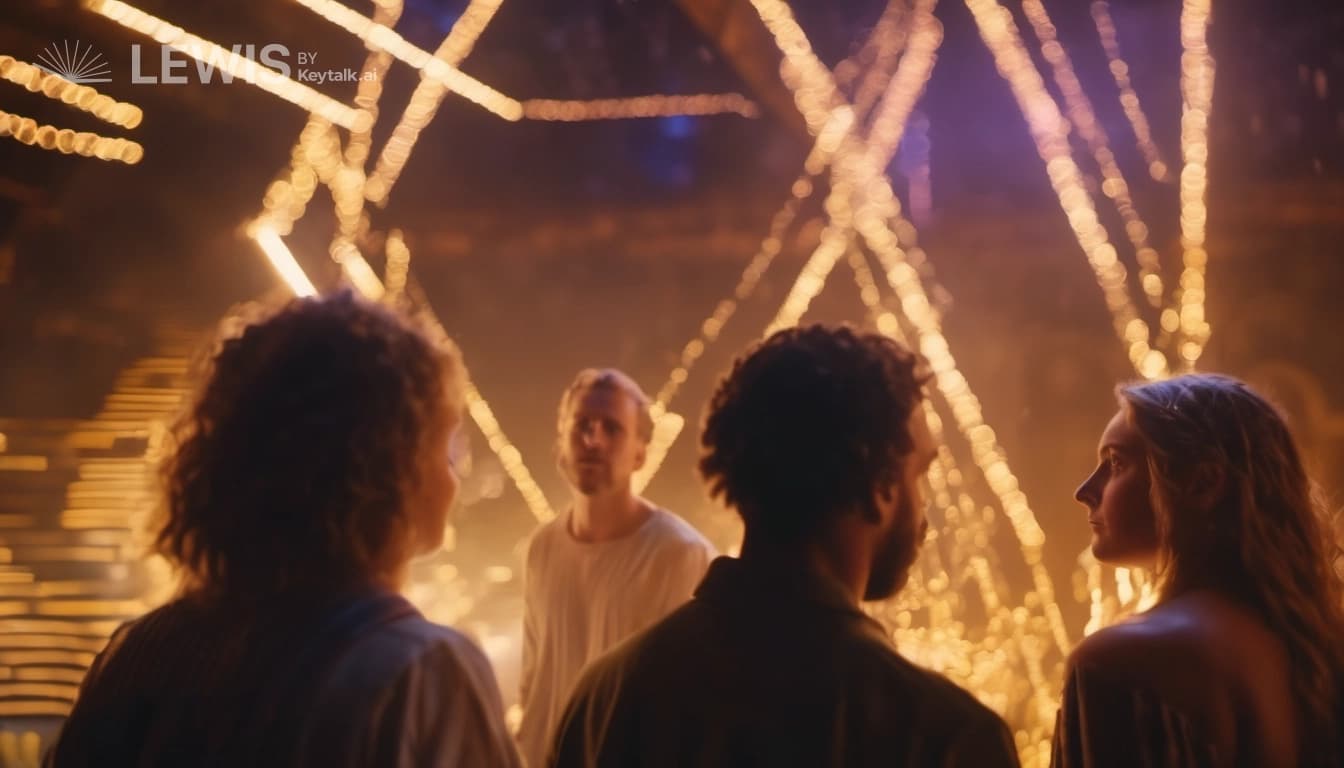
Kaede introduces Sora to a clandestine collective of rogue musicians who have spent years trying to unlock the full melody. They speak of it with a kind of reverence, calling it the "perfect song," a composition so pure it defies the sterile commodification that defines their dystopian world. The comatose woman, kept in a secret location, is revealed to have been a celebrated composer before her accident—a pioneer in memory-sonics whose work was erased from public record. Her identity sends ripples of unease through Sora, though he cannot pinpoint why. As he begins the painstaking process of extracting deeper fragments from her mind, he discovers that the melody grows darker, more complex, as if it carries a hidden narrative of its own. Each fragment resonates with something deeply buried within him, a series of inexplicable echoes that stir long-forgotten memories of his childhood in rural Japan—a time and place he has tried to forget.

As Sora delves further into the woman’s subconscious, he finds himself at odds with Renji Kurotani, a renowned memory composer who has secretly been funding the collective’s efforts. Renji views the melody as the ultimate testament to his craft, the one perfect work that will cement his legacy in an industry he both despises and cannot live without. But Sora begins to suspect that Renji’s motives are not purely artistic—there is an unsettling intensity to his obsession, a possessiveness that borders on desperation. Renji’s polished demeanor begins to crack as Sora uncovers fragments of the woman’s life that suggest she was once his collaborator, possibly even his lover. The melody, Sora realizes, is not just music—it is a story of betrayal, loss, and longing, encoded within the deepest recesses of her mind. And yet, it is also something more: a cipher that seems to align with Sora’s own fragmented memories, as if their lives are inexplicably intertwined.

Kaede becomes both an ally and a provocateur, pushing Sora to confront the ethical implications of their work. She believes the melody should remain untouched, a raw testament to human imperfection, while Sora feels compelled to complete it, driven not by commerce but by an aching need to understand its connection to him. Their philosophical clashes grow increasingly personal as Kaede’s guarded demeanor gives way to moments of vulnerability. She reveals her own conflicted relationship with music, shaped by a childhood spent trying to win the approval of a mother who dismissed her passion as futile. In Sora, she sees both a kindred spirit and a cautionary tale—a man so consumed by his craft that he risks losing himself entirely. Despite their differences, the two form a fragile bond, united by their shared reverence for music as something sacred.

As the melody nears completion, Sora uncovers the final, devastating truth: the comatose woman is his mother. The fragments he has been extracting are not just hers—they are his as well, remnants of a life he had unknowingly shared with her before she abandoned him as a child to pursue her career. The melody is their story, a symphony of broken connections and unspoken regrets, now laid bare in haunting detail. Renji, upon learning this, becomes increasingly unhinged, seeing the melody as something that now belongs solely to Sora—a fact he cannot accept. In a climactic confrontation, Renji attempts to erase the final fragment, claiming that perfection is an illusion best left unrealized. Sora, however, fights to preserve it, not for its perfection but for its truth.

In the end, Sora completes the melody, but not in the way anyone expects. Rather than releasing it as a commodity or preserving it as an untouchable artifact, he plays it live
Model Used
GPT-4o
text
Stable Diffusion
image

Story Details

Keytalk Prompts Used
See all Keytalks
no chosen prompts
no chosen prompts
no chosen prompts
no chosen prompts
Model Used
GPT-4o
text
Stable Diffusion
image

Character

Protagonist Character

Sora Takashiro

GenderMale
OccupationSound Engineer

Profile

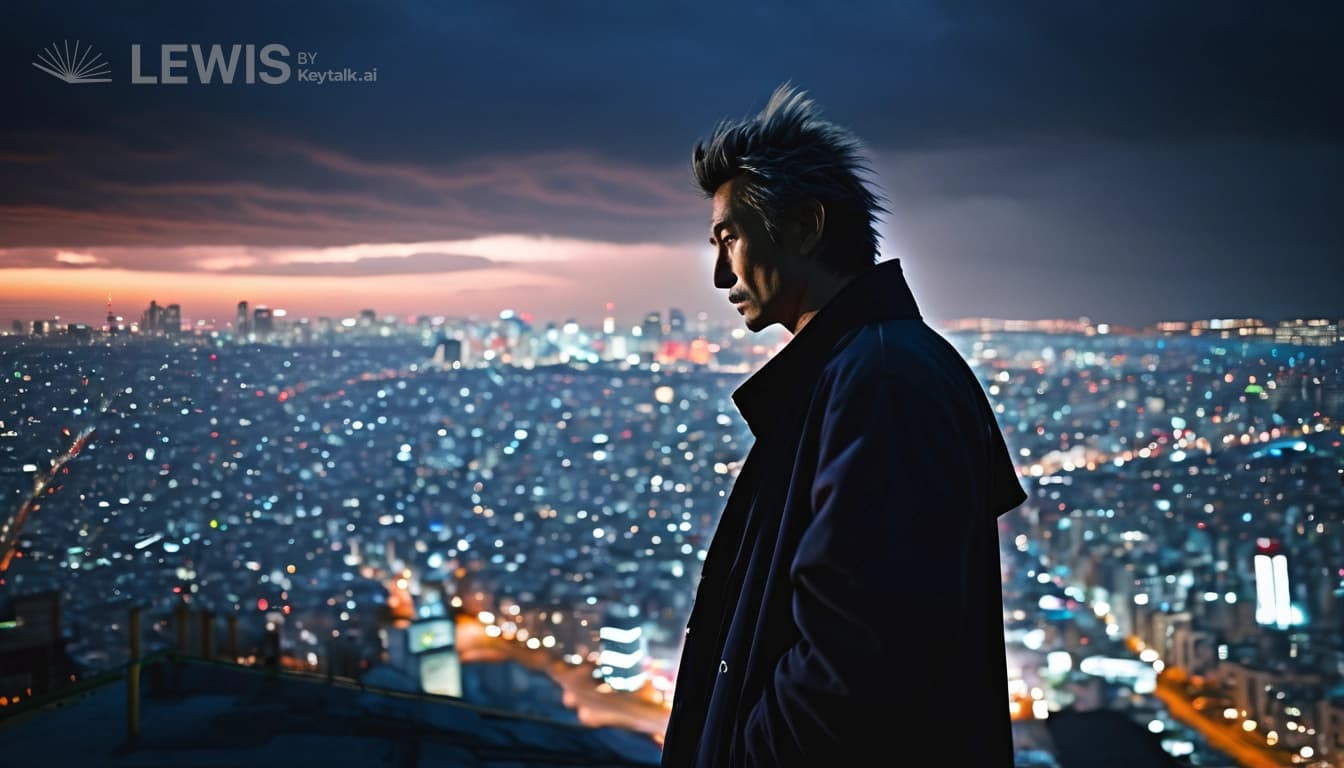
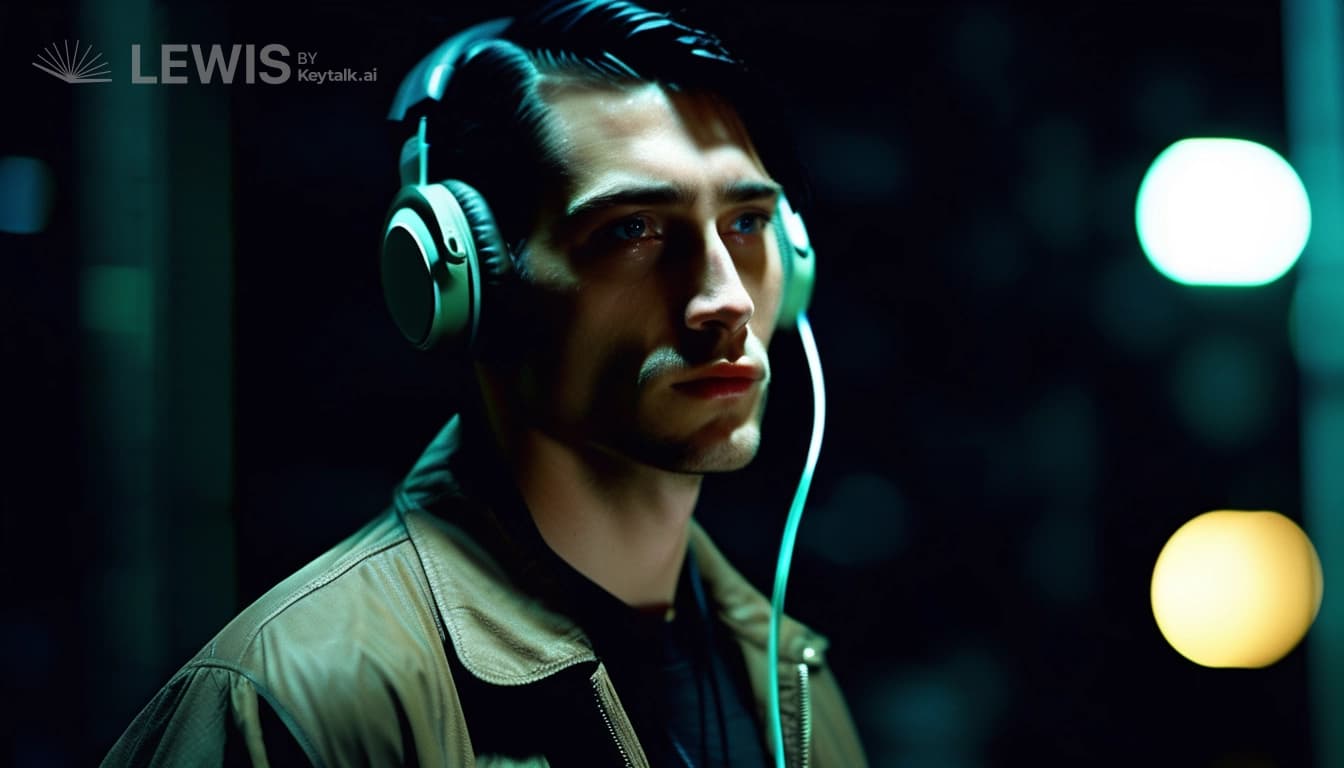
Sora Takashiro is a man caught in the liminal space between creation and disillusionment, a 34-year-old sound engineer whose meticulous precision borders on obsession. His lean frame and perpetually furrowed brow suggest a man who lives more in wavelengths and decibels than in sunlight and conversation, his pallid complexion a testament to long nights spent entombed in his Tokyo studio. Once a prodigy in the emerging field of memory-sonics, Sora’s early career sparkled with promise, but years of commodifying human emotion into marketable tracks have dulled his passion, leaving him jaded and adrift. Beneath his aloof demeanor lies an acute sensitivity to sound; he perceives the world in layers of tone and rhythm, noticing the hum of a vending machine or the discordant chirp of neon signs in a way that others cannot. He speaks with a measured cadence, his words chosen like notes in a melody, often laced with wry humor or quiet sarcasm, though his introspection sometimes lends him an air of distant melancholy. Sora is a man of contradictions: analytical yet deeply intuitive, cynical yet yearning for something pure, detached yet haunted by a faint ache for connection. His apartment, a cramped space stacked with outdated synthesizers and tangled cables, mirrors the entropy of his inner life, though a dusty shelf of vinyl records—classics from his youth—betrays a nostalgic reverence for music as something sacred, untouchable by commerce. His solitary routine is punctuated by an almost ritualistic habit of visiting a tiny ramen shop hidden in the alleys of Shinjuku, where he sketches melodies on napkins between bites, and an occasional late-night cigarette on the balcony, staring out over the city’s kaleidoscopic sprawl. Sora’s past remains a blur even to himself; fragments of childhood in rural Japan flicker through his mind like corrupted files, never fully forming but leaving behind a faint sense of loss. Though he tells himself he’s content to drift, an unspoken longing stirs within him—a desire to rediscover the untainted beauty of sound, to find a frequency that resonates not just with others but with the hollow spaces inside himself.
Antagonist Character

Renji Kurotani

GenderMale
OccupationMemory Composer

Profile

Renji Kurotani is a man who wears his age like a fraying coat—functional, but betraying signs of wear if one looks closely enough. At 41, he is a memory composer of extraordinary skill, a rare artisan in a world where the intangible is harvested and sold like crude oil. His creations are flawless, hauntingly evocative, yet sterile in their perfection, as if he had long ago learned to excise his own humanity from his work. Renji speaks with a crisp, almost academic precision, his sentences often peppered with analogies that suggest a man who spends more time in his own head than in the world around him. His voice carries a faint Kansai lilt, softened by years of deliberate cultivation, an echo of a childhood he keeps locked away like an old record he cannot bring himself to play. He lives alone in a minimalist apartment perched on the 47th floor of a towering arcology, its walls adorned only with soundwave spectrograms of his most famous compositions. Despite his outward composure, there is a restlessness to him, a gnawing sense of inadequacy he masks with arrogance and meticulous control. Renji is a man obsessed with the pursuit of perfection, yet plagued by the knowledge that perfection is a hollow promise. He has no close friends, only professional acquaintances and a string of brief, transactional relationships that leave him unsatisfied. His evenings are often spent tinkering with antique synthesizers or poring over old music theory texts, as if searching for something he cannot name. Beneath his carefully constructed persona is a man haunted by failure—not a single catastrophic event, but a lifetime of small, cumulative betrayals of his own ideals. His greatest flaw lies in his inability to relinquish control, to trust in the chaos of creation rather than the precision of his craft. This rigidity makes him a formidable antagonist, a foil to the story’s themes of emotional resonance and human imperfection, yet also offers the potential for redemption, should he ever find the courage to let go of the ghosts that bind him.
Sidekick Character

Kaede Morisawa

GenderFemale
OccupationUnderground Music Archivist

Profile

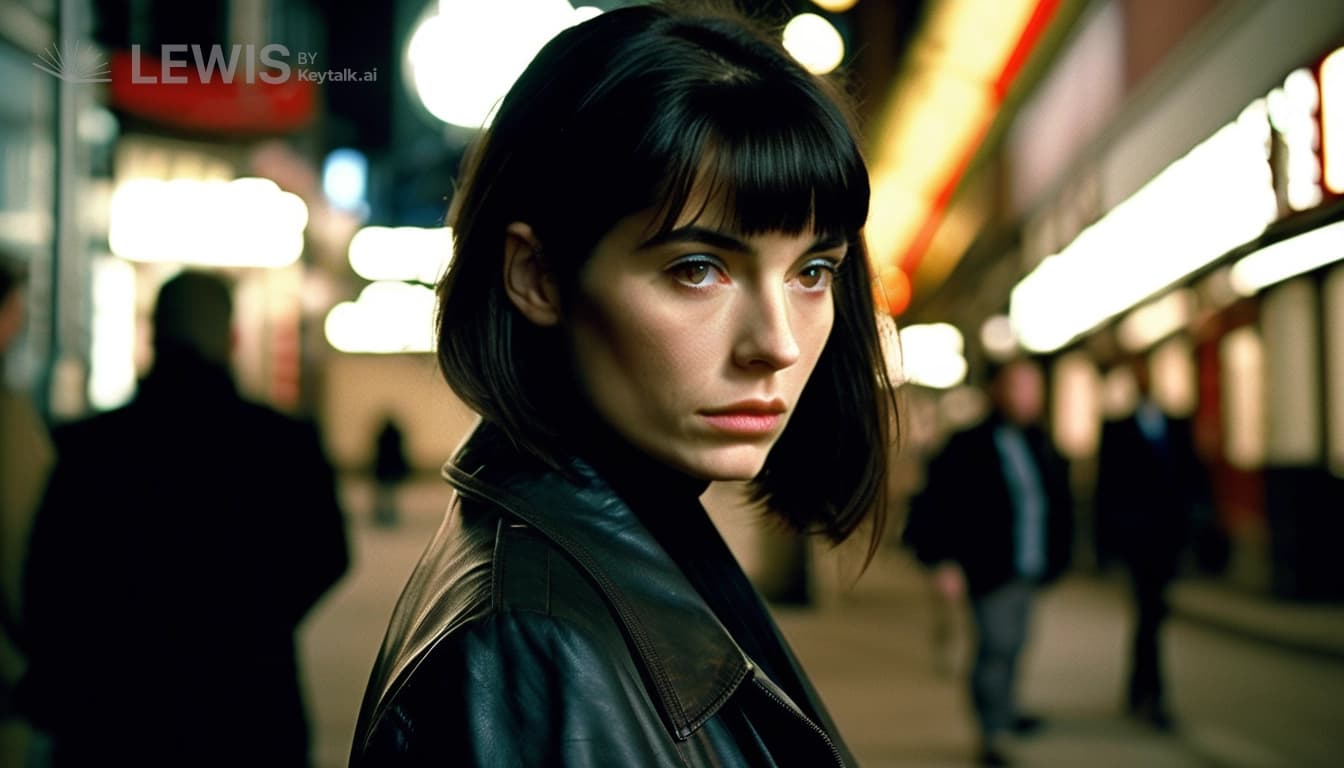
Kaede Morisawa is a 29-year-old underground music archivist whose life is a mosaic of contradictions—part idealist, part skeptic; part rebel, part perfectionist. She is fiercely independent, with a razor-sharp intellect honed by years of self-taught expertise in sound engineering and an encyclopedic knowledge of music history. Her passion for preserving the raw, unpolished essence of sound borders on obsession, but it’s also what isolates her. Kaede’s meticulous nature often clashes with the chaotic, impromptu ethos of the underground musicians she surrounds herself with. She’s the kind of person who will spend hours tweaking a single note until it resonates with the authenticity she craves, yet she struggles to express her emotions with the same precision, leaving her relationships strained and riddled with unspoken tensions.

Born in the shadow of Tokyo’s towering skyline, Kaede grew up in a cramped apartment filled with the hum of old records and the static of her father’s shortwave radio—a relic from his days as a failed sound technician. Her mother, a pragmatic office worker, dismissed Kaede’s early fascination with music as a childish indulgence, a dismissal that still fuels Kaede’s need to prove her worth. Despite this, her upbringing instilled in her a dual sense of melancholy and resilience; she has learned to thrive in the cracks of a city that often feels too polished to be real. Kaede’s apartment, a cluttered sanctuary of vinyl, analog equipment, and half-empty coffee mugs, mirrors her inner world—disorderly, yet rich with hidden treasures.

Her speech is informal, peppered with a mix of technical jargon and the occasional sharp-edged expletive when her patience frays. She has a habit of trailing off mid-sentence, as if her thoughts are always a few steps ahead of her words, and her voice carries a smoky undertone, as though it’s been worn thin from years of late-night debates and whispered confessions. There’s a quicksilver quality to her presence—her dark eyes dart with a restless energy, and her slender fingers are perpetually in motion, drumming a rhythm on any available surface or fiddling with the delicate knobs of her recording equipment.

Kaede’s role in the story is as a supporting character, though her impact feels almost antagonistic at times due to her uncompromising nature and her tendency to challenge others to confront uncomfortable truths. Her heroic qualities shine through in her unwavering commitment to authenticity and her belief that music is more than a commodity—it’s a form of rebellion, a lifeline to something greater. Yet, her idealism is tempered by a deep-seated cynicism; she knows the world she’s trying to save may already be too far gone.

Her greatest challenge lies in her inability to reconcile her yearning for connection with her fear of vulnerability. She hides behind the heroic façade of a perfectionist archivist, unwilling to admit that her tireless pursuit of the ‘perfect’ sound is, in part, a desperate attempt to drown out the echo of her own unresolved pain. Kaede’s quirks—her penchant for scribbling cryptic lyrics on napkins, her habit of humming half-forgotten melodies when she thinks no one is listening—reveal glimpses of a softer, more wistful side that she keeps carefully guarded. As the story unfolds, it becomes clear that Kaede is not just a keeper of music but a keeper of secrets, both hers and those of others, and it is this duality that makes her as enigmatic as the melodies she so fiercely protects.

Keytalk Prompts Used

Sidekick Character
Model Used
GPT-4o
text
Stable Diffusion
image

World

1. **Where/When**:
The story is set in a futuristic Tokyo, a sprawling metropolis where the relentless pace of technological advancement has blurred the line between human experience and digital commodification. The city is alive with neon lights and holographic advertisements that pulse like living organisms, saturating the streets with an artificial vibrancy. Time is marked by the hum of skyscrapers that resonate with the low-frequency echoes of long-forgotten songs, and the air carries the faint, metallic tang of ozone from the constant flux of energy coursing through the urban grid. It is a world where humanity has learned to mine memories for melodies, transforming deeply personal experiences into a thriving but soulless industry. The narrative unfolds during a time when this technology has reached its zenith, and society is grappling with the ethical and emotional consequences of reducing human emotion to marketable commodities.

---

2. **Important rules of the universe and how they impact the story**:
- **Memory-Sonics**: The core technology of this world, memory-sonics, allows for the extraction of melodies from human memories. These melodies are not mere tunes but encapsulations of emotional essence, tied to specific moments in a person’s life. This process has turned music into a commodity, stripping it of its raw, emotional authenticity and reshaping it into polished, algorithm-driven products. For Sora, this commodification is both a source of disillusionment and a catalyst for his journey.
- **Memory Fragmentation**: Memories, especially those extracted from individuals, are inherently incomplete and fragmented. This fragmented nature directly impacts the narrative, as Sora must piece together the melody from the comatose woman’s mind, uncovering not just music but hidden layers of truth about her past and his own.
- **Underground Resistance**: A clandestine collective of rogue musicians operates outside the constraints of corporate control, striving to preserve the purity of music. This underground movement serves as both a foil and an ally to Sora, challenging his perceptions of art, ethics, and purpose.
- **Ethical Dilemmas**: The process of memory extraction raises profound ethical questions about ownership, consent, and the commercialization of human experiences. These dilemmas are central to the story’s conflict, forcing characters to confront the morality of their actions.

---

3. **The visual description of the universe**:
- Tokyo is a city of extremes, where sleek, glass-walled skyscrapers pierce the clouds, their facades reflecting a kaleidoscope of neon advertisements that shift and shimmer like living murals. Elevated trains snake through the city on magnetic tracks, their carriages glowing with soft, artificial light. At street level, the city is a labyrinth of narrow alleys and hidden enclaves, where the polished veneer of corporate dominance gives way to the gritty, chaotic vibrancy of underground culture.
- The underground music scene thrives in forgotten spaces—abandoned subway tunnels, derelict factories, and dimly lit clubs hidden behind layers of security. These places are alive with the raw energy of rebellion, their walls adorned with graffiti that pulses faintly with bioluminescent paint.
- Sora’s apartment is a microcosm of his inner turmoil—a cramped, cluttered space filled with outdated synthesizers, tangled cables, and stacks of vinyl records. The dim glow of his equipment casts flickering shadows on the walls, creating an atmosphere of both creative potential and suffocating isolation.
- The arcologies where the elite reside are towering vertical cities in themselves, their interiors sterile and minimalist, a stark contrast to the chaotic beauty of the underground. Renji’s apartment, perched atop one such structure, is a cold, impersonal space dominated by the spectrograms of his compositions—a visual representation of his obsession with precision and control.

---

4. **Notable technologies or philosophies of the universe that impact the story**:
- **Memory-Sonic Technology**: This breakthrough allows for the extraction and digital preservation of melodies from human memories. The technology operates through a combination of neural mapping and sonic synthesis, translating electrical signals from the brain into sound. However, the process is invasive and imprecise, often leaving behind emotional residue or unintended distortions, which play a crucial role in the story’s unraveling.
- **Melody Commodification**: In this world, melodies are treated as digital commodities, stripped of their emotional authenticity and sold to corporations for use in marketing, entertainment, and even therapy. This philosophy of commodification underscores the tension between art and commerce, a theme that resonates through Sora’s journey.
- **The Philosophy of Imperfection**: The underground collective embraces the philosophy that true art lies in imperfection, in the raw, unpolished essence of human experience. This belief clashes with Renji’s pursuit of perfection and serves as a moral compass for
representative image
location 1 image

Location 1

- Title: **The Resonance Spire**
- Description: A monolithic skyscraper piercing the Tokyo skyline, its holographic displays ripple with hypnotic patterns synchronized to the city's ceaseless hum. Renji Kurotani's penthouse, perched at its apex, is an immaculate fusion of modern sterility and artistic ego, with walls lined by glowing spectrograms and windows offering a dizzying view of the neon abyss below. Here, amidst the cold precision of his studio, Sora confronts Renji, and the first cracks in the melody's enigmatic origins begin to surface.
location 2 image

Location 2

- Title: **The Echo Vault**
- Description: Hidden beneath the ruins of a derelict subway station, The Echo Vault pulses with life—neon wires snake along the walls, casting an otherworldly glow on bioluminescent graffiti. Musicians huddle in makeshift alcoves, their instruments cobbled together from discarded tech, creating raw, unfiltered soundscapes. In the center of the chaos, Kaede unveils the fragmented melody to the collective, its haunting notes resonating through the cavernous space and igniting something deeply buried within Sora.
location 3 image

Location 3

- Title: **The Forgotten Sanctuary**
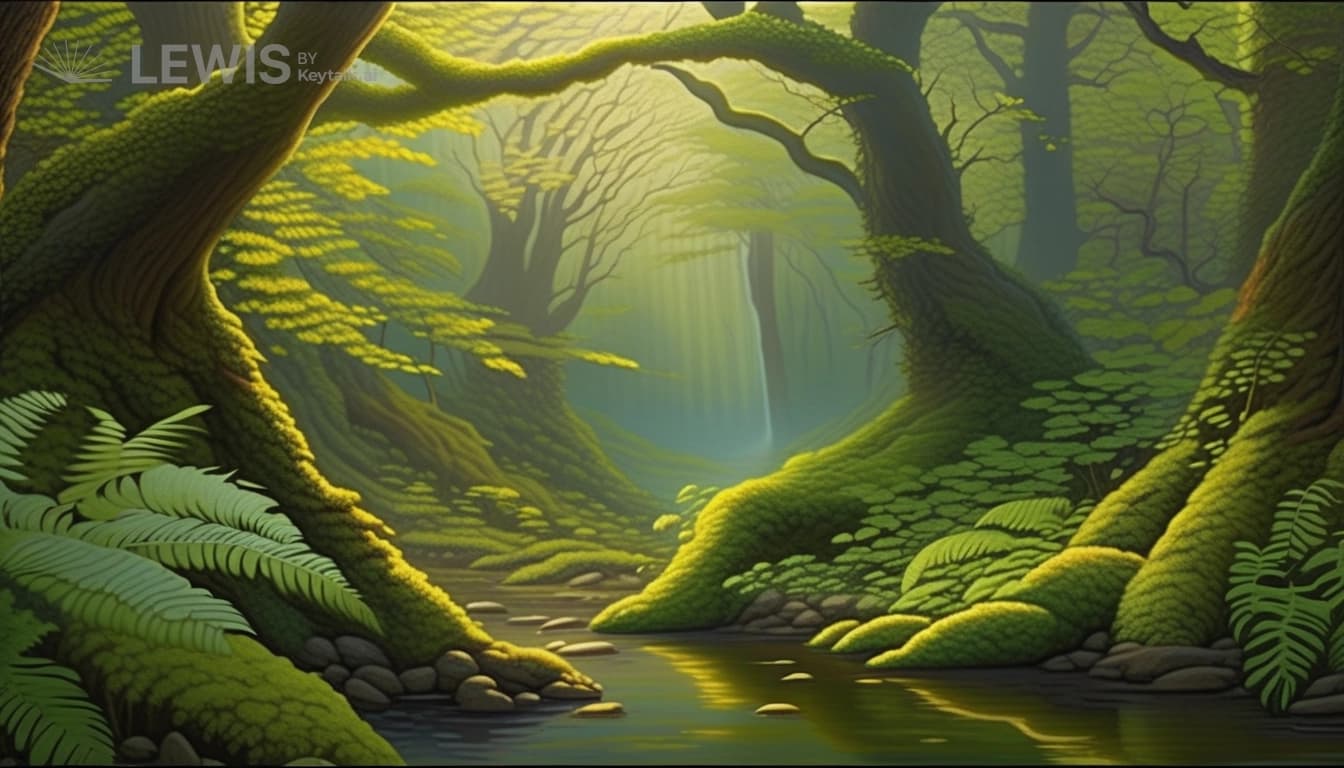
- Description: Hidden within a dense grove of overgrown sakura trees, the facility looms with an eerie stillness, its concrete walls softened by the encroaching moss. Inside, dim corridors lead to a sterile chamber where the comatose woman lies, surrounded by a labyrinth of glimmering memory-sonic nodes. It is here that Sora unravels the haunting truth of her identity and its profound connection to his own fragmented past.
Model Used
GPT-4o
text
Stable Diffusion
image

Scenes

scene 1 image
Scene 1
- Title: "The Ghost in the Melody"
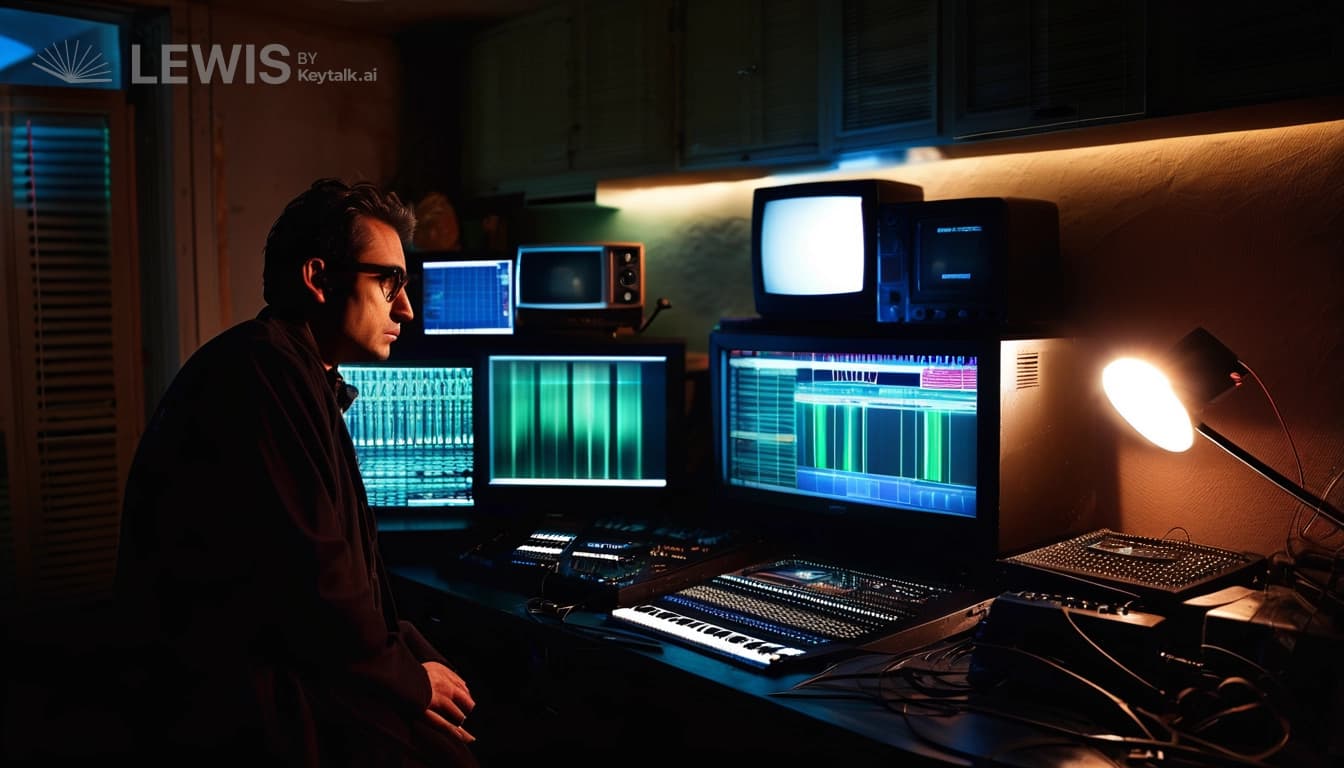
- Place: A dimly lit studio apartment in neon-drenched Tokyo.
- Time: Late evening, as the city hums with electric life outside.
- Action: Sora Takashiro receives an unmarked data file containing an incomplete, haunting melody and an encrypted message from Kaede Morisawa, urging him to meet her.
- Impact: The mysterious melody stirs something dormant within Sora, pulling him from his creative disillusionment and setting him on a path he cannot ignore.
- Description: Sora, surrounded by the cold glow of his monitors, listens to the melody fragment for the first time. The sound is unlike anything he’s heard, a raw ache that cuts through the synthetic perfection of his world, leaving him unsettled yet deeply intrigued.
scene 2 image
Scene 2
- Title: "Echoes of the Perfect Song"
- Place: A hidden underground music venue, illuminated by flickering neon signs and filled with a mix of outcasts and rogue musicians.
- Time: Midnight, with the muffled hum of the city above blending into the raw, unpolished sounds of live performances below.
- Action: Sora meets Kaede Morisawa for the first time and is introduced to the clandestine collective of musicians obsessed with unraveling the "perfect song." They reveal its origins as the fragmented memory of a comatose composer and speak of its purity as a rebellion against the commodification of music.
- Impact: Sora begins to sense a deeper connection to the melody and the comatose woman, sparking both intrigue and unease as he agrees to help extract more fragments.
- Description: Amid the chaotic blend of live music and whispered conversations, Kaede’s piercing gaze locks onto Sora, her voice carrying a mix of defiance and urgency as she shares the melody’s enigmatic story. The venue, though alive with creativity, feels shadowed by the weight of what is at stake.
scene 3 image
Scene 3
- Title: "Fragments of a Forgotten Past"
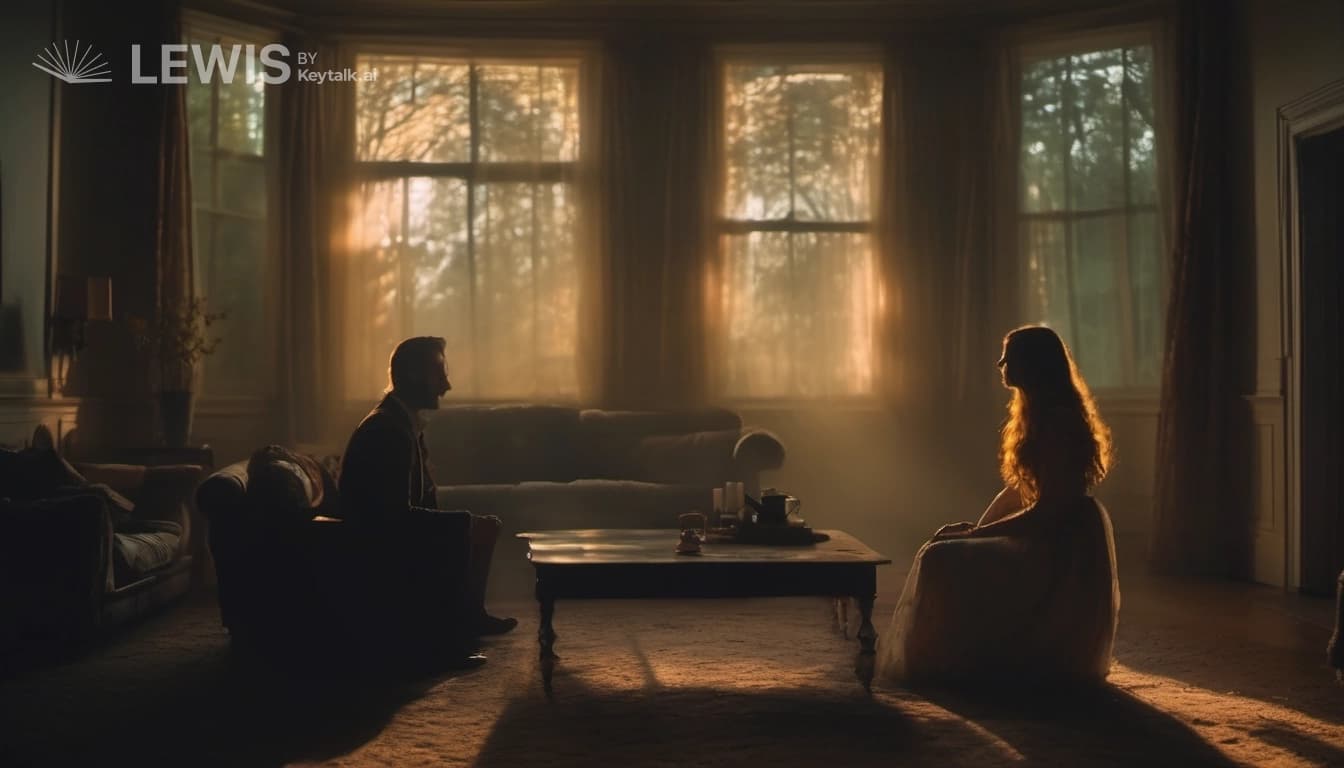
- Place: A dimly lit studio in the outskirts of Tokyo, cluttered with outdated memory-sonics equipment and scattered sheet music.
- Time: Early morning, as pale sunlight filters through heavy curtains, casting long shadows across the room.
- Action: Sora begins the process of extracting deeper fragments from the comatose woman’s mind, uncovering hauntingly familiar echoes of a rural childhood and a sorrowful lullaby that stirs inexplicable emotions within him.
- Impact: The fragments suggest an intimate connection between Sora and the woman, leaving him unsettled as he realizes the melody may hold pieces of his own forgotten past.
- Description: The studio hums with the rhythmic clicking of machines as Sora’s hand trembles over the controls, his breath catching when the fragmented melody fills the room—achingly beautiful, yet weighted with a pain he cannot yet name.
scene 4 image
Scene 4
- Title: "The Obsession of Renji Kurotani"
- Place: A sleek, high-rise apartment overlooking Tokyo’s neon skyline, with walls lined by shelves of meticulously organized memory-sonics discs.
- Time: Late evening, as the city below buzzes with life, its lights reflecting off the polished glass of the apartment.
- Action: Sora confronts Renji about his secret funding of the collective and uncovers his obsessive fixation on the melody, which Renji claims is the pinnacle of artistic creation and his rightful legacy.
- Impact: Renji’s increasingly erratic behavior raises suspicions about his true motives, deepening the tension between him and Sora as the fragmented melody begins to reveal connections to both men’s pasts.
- Description: Renji’s calm veneer cracks as his voice rises, his eyes burning with an unsettling fervor, while Sora stands in silent defiance, the weight of the incomplete melody hanging like an unspoken challenge between them.
scene 5 image
Scene 5
- Title: "A Symphony of Divided Souls"
- Place: A dimly lit underground studio hidden beneath the bustling streets of Tokyo, its walls covered with graffiti and old posters of forgotten musicians.
- Time: Midnight, as the hum of distant trains echoes through the concrete tunnels.
- Action: Sora and Kaede work together to extract a pivotal fragment of the melody, revealing an emotionally charged memory of the comatose woman that intertwines with Sora’s own childhood. Tensions escalate as Kaede questions the morality of their actions, while Sora, overwhelmed by the fragment’s intensity, begins to suspect the melody holds answers to his deepest, long-buried fears.
- Impact: The revelation further blurs the line between the comatose woman's memories and Sora’s own, driving a wedge between him and Kaede as their philosophical clash becomes personal. The melody’s growing complexity hints at an impending, life-altering truth.
- Description: The studio is alive with the flicker of old monitors and the soft hum of equipment, but the air is thick with unspoken tension. Sora’s hands tremble as he manipulates the technology, while Kaede’s gaze hardens, her voice steady but laced with doubt. The melody fragment, raw and haunting, seems to echo through the room, pulling at something fragile within them both.
scene 6 image
Scene 6
- Title: "Truth in the Final Note"
- Place: A rooftop overlooking neon-soaked Tokyo, the city’s restless hum serving as a backdrop to the confrontation.
- Time: Pre-dawn, as the first light of morning battles with the artificial glow of the skyline.
- Action: Sora confronts Renji, who attempts to destroy the final fragment, leading to an intense struggle. Sora pieces together the melody, realizing it’s a shared memory between him and the comatose woman—his estranged mother. He plays the completed melody live, releasing it into the world as a raw, unfiltered tribute to their fractured connection.
- Impact: The melody’s truth transforms it into a universal story of loss and reconciliation, breaking the cycle of commodification. Renji’s breakdown signals the end of his obsession, while Sora finds catharsis in embracing imperfection and reclaiming his identity.
- Description: The rooftop is drenched in cold, pale light as Sora’s trembling fingers hover over the console. Renji’s desperation erupts in a final act of defiance, but Sora’s resolve is unshakable. The melody swells into the air, raw and unrestrained, as if the city itself holds its breath.
'Resonance of Fractured Echoes'Story Chat

Want to chat with the characters from this story?

'Resonance of Fractured Echoes'Story Chat

Want to chat with the characters from this story?

story image
story image
story image

You might also like

Comments0

theme music