Plot Synopsis
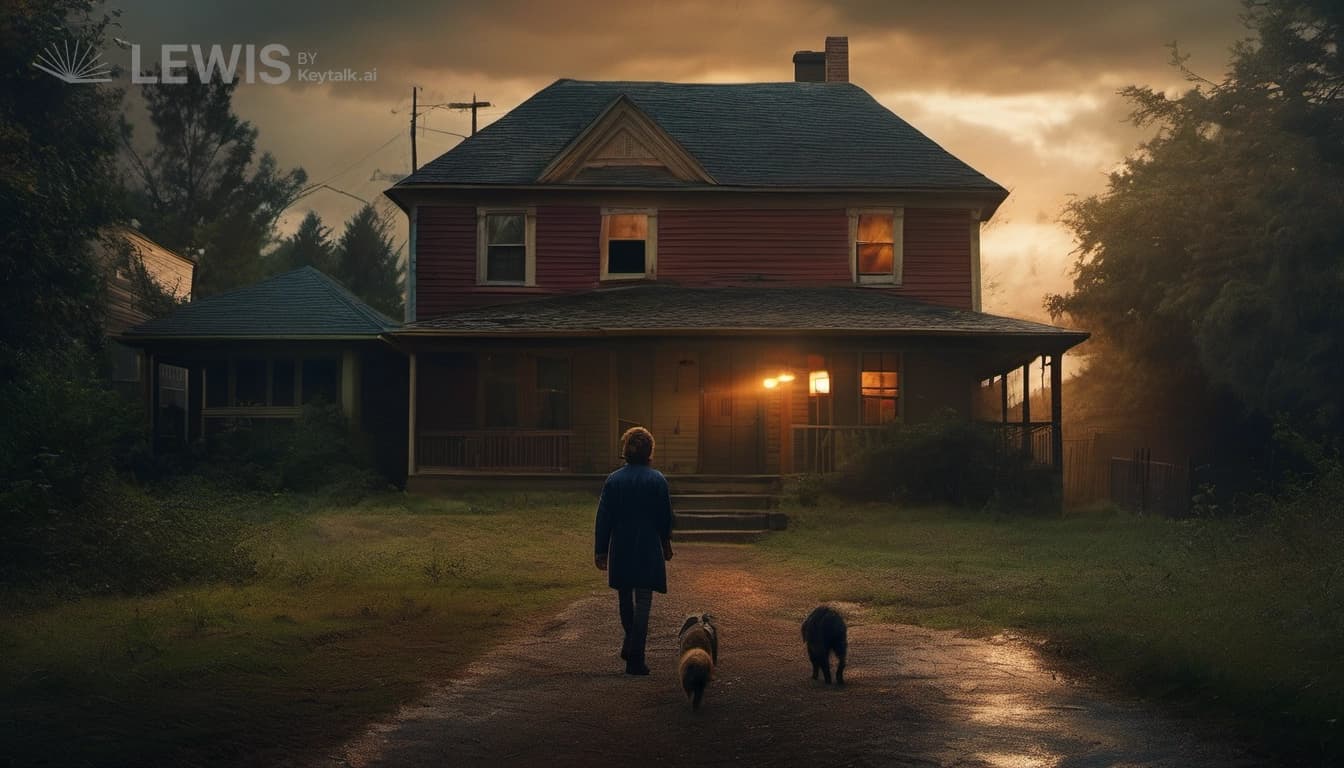
In a town smothered by the blanket of banality, Everett Quill, a 27-year-old with a vaguely cosmopolitan background, finds himself at a crossroads between succumbing to the monotonous rhythm of everyday life and seeking a spark of excitement in the mundane. Driven by an internal conflict to uncover a life beyond superficial entertainment, Everett, leveraging his charismatic leadership, forms an unusual club with his friends. This club is dedicated to unearthing the most meaningless yet provocatively entertaining activities in a town that prides itself on its dedication to the ordinary. The formation of the club not only serves as a rebellion against the town's culture of banality but also becomes a vessel for Everett and his friends to delve into the absurd comedy of their existence.
In the heart of this peculiar town stands Gideon Trask, the stoic mayor, deeply rooted in the town’s traditions of unremarkableness. Viewing himself as the custodian of normalcy, Gideon epitomizes the town’s resistance to change. His commitment to maintaining the status quo faces an unprecedented challenge with the emergence of Everett’s club. The club's antics, perceived as a direct assault on the fabric of the town's culture, ignite a battle of ideals. Internally, Gideon grapples with an existential crisis, questioning whether his fear of change masks a deeper fear of confronting the meaningless of his own existence. Externally, the battle lines are drawn as Gideon's attempts to quell the club's provocations inadvertently amplify the absurd comedy enveloping the town.
Percival Quirk, Everett's sidekick and a self-proclaimed Inventor of Absurdities, thrives in this environment by crafting outlandish gadgets that propel the club’s activities into new heights of absurdity. Percival's inventions are a catalyst for the club’s escapades, walking a fine line between entertainment and exposing the dark comedy of their lives. Internally battling existential dread, Percival’s creations, while designed to be purposelessly whimsical, unwittingly act as mirrors, reflecting the void within their creator and his friends. Percival’s struggle to balance pushing the boundaries of nonsense while not unraveling the fragile fabric of their constructed realities sets a complex backdrop for his character.
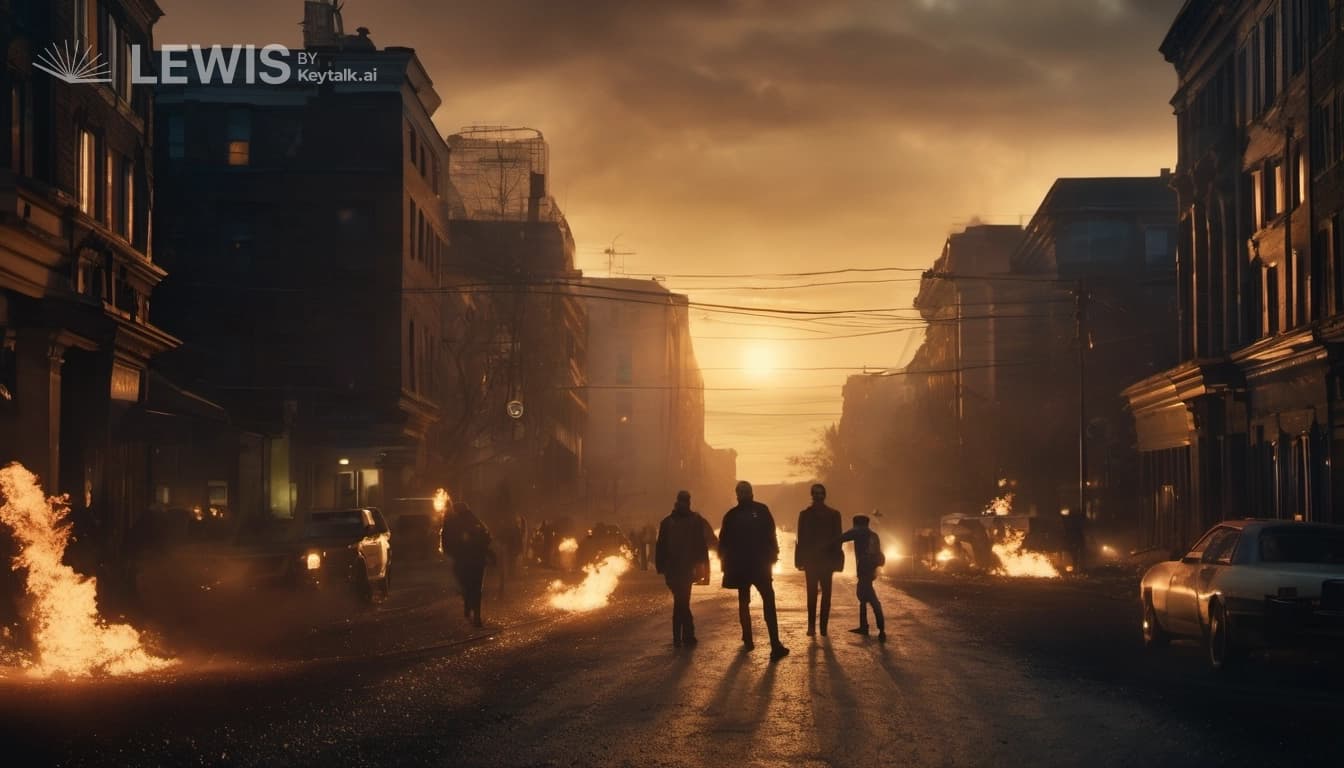
The plot thickens as the club's endeavors grow increasingly bold, culminating in a grand event that promises to be their most meaningless spectacle yet. This event, designed to be the epitome of absurdity, inadvertently reveals the emptiness at the heart of their pursuits. The spectacle, intended as a mockery of societal conventions, transforms into a poignant moment of self-realization for the club members, particularly Everett and Percival. The absurdity of their actions, once a source of amusement, now mirrors the absurdity of their existence, thrusting them into a crisis of identity and purpose.
In the climax, the tension between the club and Mayor Gideon Trask reaches a breaking point. Gideon, in a last-ditch effort to restore order and normalcy, confronts the club, leading to a showdown that encapsulates the narrative's central conflict. In this confrontation, truths are laid bare - not just the truth about the town’s embrace of the banal but also the characters’ struggles with the fear of confronting the meaninglessness of their lives. In a twist of fate, Gideon's actions, meant to suppress the club's provocations, instead catalyze a town-wide introspection about the value of embracing absurdity as a means of confronting existential despair.
The resolution finds Everett, Percival, and their friends at a crossroads. The events have irrevocably altered their perception of their pursuits and themselves. Everett, once a fervent orchestrator of meaningless provocations, emerges with a renewed sense of purpose. The club, albeit in a transformed state, continues under his leadership, now with a focus on embracing the absurdity of life as a means to uncover depth in the banal. Gideon, too, undergoes a transformation, softening his stance on the club's activities, recognizing the value in challenging the status quo as a means of enriching the town’s cultural tapestry. Through a journey filled with absurdity, conflict, and introspection, the characters find themselves, and the town at large, on the cusp of a new era—one where the embrace of meaningless provocations serves not to distract from the emptiness of existence but to illuminate a path towards finding meaning within it.