Echoes of the Unquiet Dead cover image

Echoes of the Unquiet Dead

When an isolated refugee settlement is infiltrated by a rogue group of zombies who retain fragmented memories of their human lives, a grieving mother must unravel the mystery of their origins, only to discover a horrifying connection to her deceased child that threatens her sanity and the future of her community.

Weekly ranking

rank icon image
#1 inVisual & Sound
rank icon image
#2 inClimax & Ending
rank icon image
#2 inClimax & Ending
Scroll

Plot Synopsis

In the desolate expanse of a post-apocalyptic world, the refugee settlement of Bereg stands as a fragile sanctuary against the chaos beyond its makeshift barriers. Here, survival is an act of defiance, and hope is a currency few can afford. Zora Mirovna, the community’s medic, has long abandoned such luxuries. Her days are spent suturing wounds and rationing antibiotics, her nights haunted by the memory of her son, Emil, who succumbed to the pandemic that shattered the world. She clings to routine as both penance and reprieve, her private grief masked by a wry, almost clinical demeanor. Yet, when a rogue group of zombies breaches the settlement’s perimeter, their behavior defies everything the survivors thought they knew. These creatures seem to retain fragments of their human selves—gestures, murmurs, even flickers of recognition. One of them, a boy with a familiar tilt of the head and a hauntingly melodic hum, shatters Zora’s composure. She is convinced that this undead child carries the echoes of her lost Emil.

The settlement is thrown into disarray as panic spreads. Viktor Dragomirov, a reclusive biochemist whose crumbling lab lies on the settlement’s outskirts, is reluctantly drawn into the fray. Once a man of towering intellect, Viktor now lives in self-imposed exile, dogged by the specter of a catastrophic mistake that he refuses to name. His initial response to the zombie incursion is one of cold detachment, dismissing Zora’s suspicions as grief-fueled delusion. Yet, when a captured zombie begins muttering fragmented phrases in what Viktor recognizes as a mnemonic pattern tied to experimental memory-retention drugs—drugs he once worked on before the collapse—his cynicism falters. The horrifying possibility dawns on him: these creatures may not be random anomalies but the byproduct of human experimentation. Driven by equal parts guilt and curiosity, he agrees to help Zora unravel the mystery of their origins, though his motives remain murky even to himself.

As Zora and Viktor delve deeper, they uncover unsettling connections between the zombies’ behavior and a series of clandestine experiments conducted years ago in a now-abandoned research facility not far from Bereg. Their investigation is complicated by the emergence of Konstantin Radev, a self-proclaimed prophet who has amassed a following among the settlement’s most desperate inhabitants. Konstantin preaches that the zombies are not abominations but harbingers of divine memory, vessels through which humanity can atone for its sins. Charismatic yet unnervingly composed, Konstantin sees the undead as proof of his fractured philosophy: that memory, no matter how corrupted, is the key to salvation. His sermons sow division within the settlement, turning neighbor against neighbor. To Zora, Konstantin is a dangerous zealot, but Viktor views him with a mixture of disdain and fascination, recognizing in him a reflection of his own obsessive tendencies.

The journey to the research facility is fraught with peril. As Zora and Viktor navigate the treacherous wastelands, their uneasy alliance begins to crack under the weight of their respective guilt and grief. Zora’s stoic pragmatism clashes with Viktor’s erratic brilliance, yet their shared experiences forge a fragile bond. In the ruins of the facility, they uncover records that confirm their worst fears: the memory-retention drugs were initially tested on terminally ill children, including Zora’s son, Emil. The experiments were intended to preserve the essence of humanity in the face of the pandemic, but they instead created a grotesque hybrid of life and death. Zora’s world shatters as she realizes that Emil’s participation in these trials was not coincidental—her own husband, a virologist who perished alongside their son, had been complicit in the program. This revelation sends her spiraling into a crisis of faith and identity, her resolve to protect the settlement wavering under the weight of her newfound knowledge.

Meanwhile, Konstantin seizes the growing unrest back in Bereg to consolidate his power. He declares the zombies to be sacred vessels, urging his followers to capture rather than kill them. His rhetoric grows increasingly unhinged, yet disturbingly persuasive. When Zora and Viktor return with evidence of the experiments, Konstantin brands them heretics, accusing them of seeking to destroy what he claims is humanity’s only chance at redemption. The settlement fractures into factions: those who cling to Zora and Viktor’s grim logic and those who embrace Konstantin’s apocalyptic vision. The tension erupts into violence when Konstantin orchestrates the release of captured zombies into the settlement, forcing the survivors to confront the creatures not as mindless threats but as grotesque mirrors of themselves.

In the story’s harrowing climax, Zora is forced to confront the zombie that she believes to be Emil. Armed with the knowledge of
Keytalk Prompts Used

Climax & Ending
Model Used
GPT-4o
text
Stable Diffusion
image

Story Details

Keytalk Prompts Used
See all Keytalks
no chosen prompts
no chosen prompts
Model Used
GPT-4o
text
Stable Diffusion
image

Character

Protagonist Character

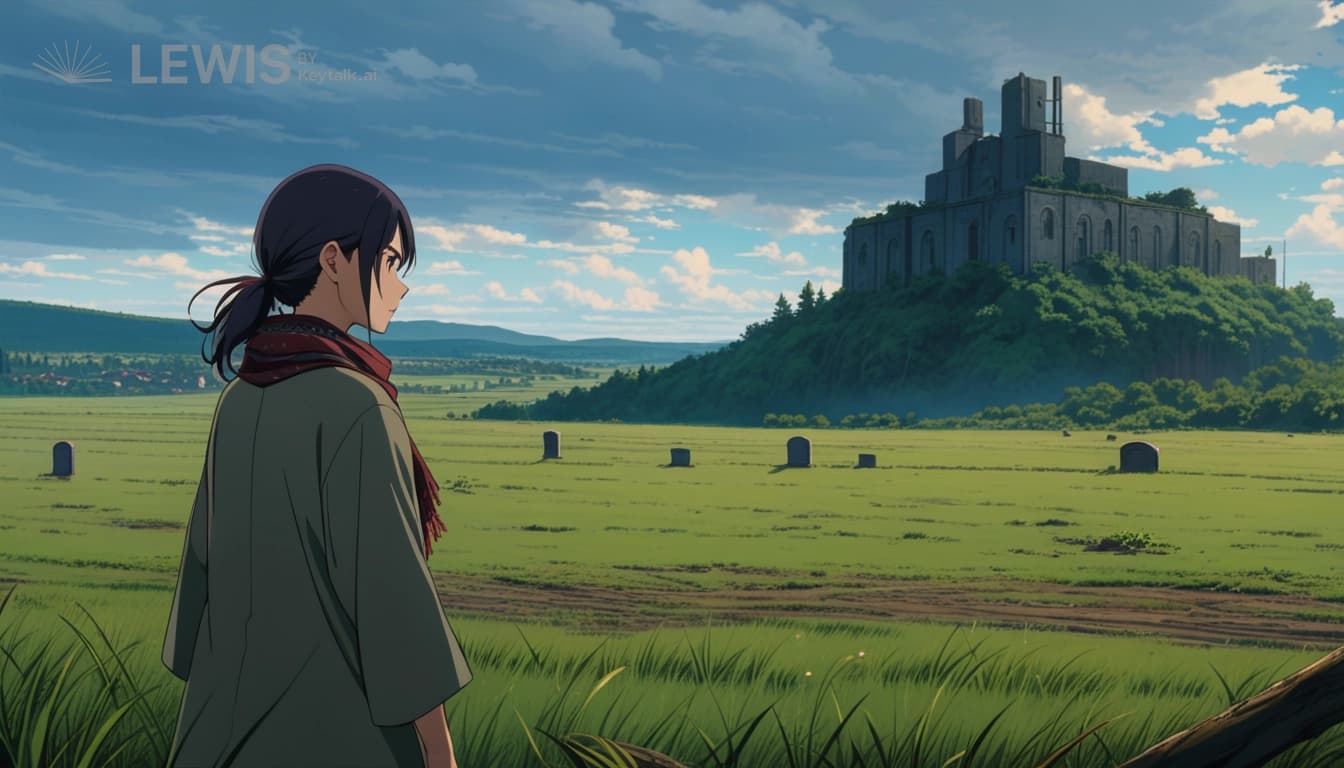
Zora Mirovna

GenderFemale
OccupationMedic

Profile

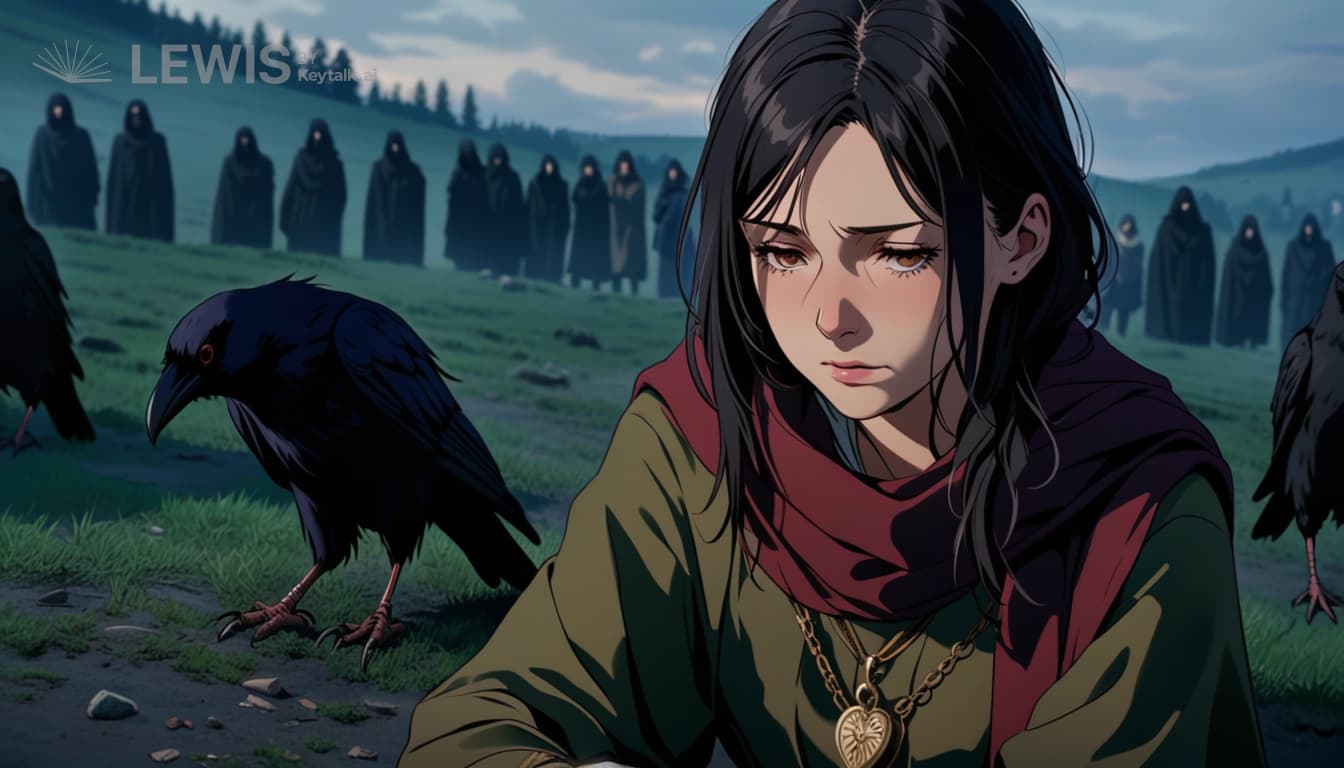
Zora Mirovna was a woman burdened by the weight of both her profession and her past, her hands as steady in stitching wounds as they were trembling when clasped in prayer to a God she no longer believed in. At thirty-seven, her face bore the soft erosion of sleepless nights and unwept tears, her dark eyes pools of quiet intensity that betrayed little but absorbed everything. Once a city-dweller with a penchant for poetry and an almost obsessive love of botany, her world had collapsed into the narrow confines of the refugee settlement, where her role as a medic was both her salvation and her penance. Her voice carried a low, deliberate cadence, each word carefully chosen, often laced with a wry, understated humor that softened her otherwise clinical demeanor. Zora was a woman of contradictions: fiercely resilient yet suffused with a brittle fragility, methodical in her work but chaotic in her private moments, where she would pick at the threads of her memories like a child unraveling a tapestry. She carried the grief of her lost child in the marrow of her bones, a wound that never healed, though she rarely spoke of it—save for the nights when she whispered lullabies to the wind, as if the air might carry them to the afterlife. Her hands, calloused from years of sutures and salves, still found time to tend a tiny patch of wildflowers she coaxed to life in the settlement’s barren soil, a defiant splash of color in an otherwise gray world. Zora was not a woman who trusted easily, yet she was fiercely protective of the vulnerable, driven by a bone-deep compulsion to preserve life even as the shadow of her own losses gnawed at her resolve. Her quiet pragmatism masked a mind that was always turning, always questioning, and though she would never admit it aloud, some part of her still burned with the reckless hope that the world could be rebuilt, even if she no longer knew what place she might have in it.
Antagonist Character

Viktor Dragomirov

GenderMale
OccupationFormer Biochemist

Profile

Viktor Dragomirov, at forty-five, carries the air of a man who once held the world in his hands and watched it slip away, leaving behind only the faint stain of regret on his calloused palms. A former biochemist of considerable renown, his intellect remains razor-sharp, though it often cuts inward, gnawing at his psyche with the jagged teeth of unspoken guilt. His piercing gray eyes, set deep beneath a furrowed brow, betray both a restless mind and a weariness that seeps into his every movement. Viktor’s speech is precise and deliberate, his words laced with an edge of cynicism that reflects his disillusionment with human ambition. He is a man of contradictions—stoic yet prone to flashes of unexpected fury, fiercely logical yet haunted by the ghosts of mistakes he dares not name. Living in the crumbling ruins of a makeshift laboratory on the settlement's outskirts, he spends his days tinkering with salvaged equipment, his experiments a mixture of brilliance and recklessness that mirrors his fractured psyche. Viktor’s hands, stained with chemical residue, tremble faintly—not from age, but from the weight of memories he cannot escape. A loner by necessity rather than choice, he maintains a brusque detachment from others, though his sharp, sardonic wit sometimes slips through the cracks, hinting at a deeper yearning for connection. He hoards fragments of the past—an old photograph tucked into his coat pocket, a tarnished wedding band he twists absentmindedly—relics of a family life that feels more like a dream than a memory. Beneath his guarded exterior, there simmers a dangerous blend of desperation and determination; he longs to atone, though for what remains a mystery even to himself. Viktor’s flaws are as prominent as his virtues: an obsessive drive that blinds him to moral boundaries, a tendency toward self-sabotage, and a stubborn refusal to forgive himself. Yet, his innate curiosity and brilliance hint at the potential for redemption, making him a compelling supporting character whose actions and choices will ripple through the story like shockwaves, shaping the fates of everyone around him.
Sidekick Character

Konstantin Radev

GenderMale
OccupationCult Leader

Profile

Konstantin Radev, a man of angular features and an unsettling calm, carries the weight of his 39 years like a relic, both worn and sanctified. His presence is magnetic, the kind that draws in the desperate and the disillusioned, though his charisma is laced with something darker—a quiet, insidious menace that lingers in his unblinking gaze. Once a philosophy student with a penchant for esoteric texts and forgotten dogmas, Konstantin’s intellectual prowess has curdled into a dangerous obsession with control and absolution. Now the self-proclaimed leader of a fractured congregation of outcasts and zealots, he resides in a decaying chapel at the edge of the refugee settlement, a place that reeks of mildew and fervor. His voice, low and deliberate, carries the weight of a preacher’s cadence, each word chosen as if it were a step in a ritual; he speaks without profanity, but his formality is steeped in irony and veiled threat. Konstantin believes in the power of memory as salvation, though his interpretation twists memory into weaponry, a tool for manipulation and control. His personal philosophy is a labyrinth of paradoxes: he preaches unity but thrives on division, exalts sacrifice but covets power. Beneath his composed exterior, there are cracks—flickers of doubt and resentment that he buries beneath layers of self-righteousness. He is haunted by an estranged relationship with his younger brother, whom he alternately idolized and despised, a wound that festers in his subconscious and feeds his hunger for dominance. His ability to read people with surgical precision is both his greatest strength and his most dangerous flaw, for it leaves him vulnerable to the raw truths he so meticulously avoids within himself. Konstantin’s hands, calloused yet graceful, betray his fondness for carving intricate symbols into wood during moments of solitude—a hobby that serves as both meditation and obsession. He is an antagonist who embodies the fine line between conviction and delusion, a man whose ambition to reshape the broken world around him may well burn it to ash.
Model Used
GPT-4o
text
Stable Diffusion
image

World

1. Where/When:
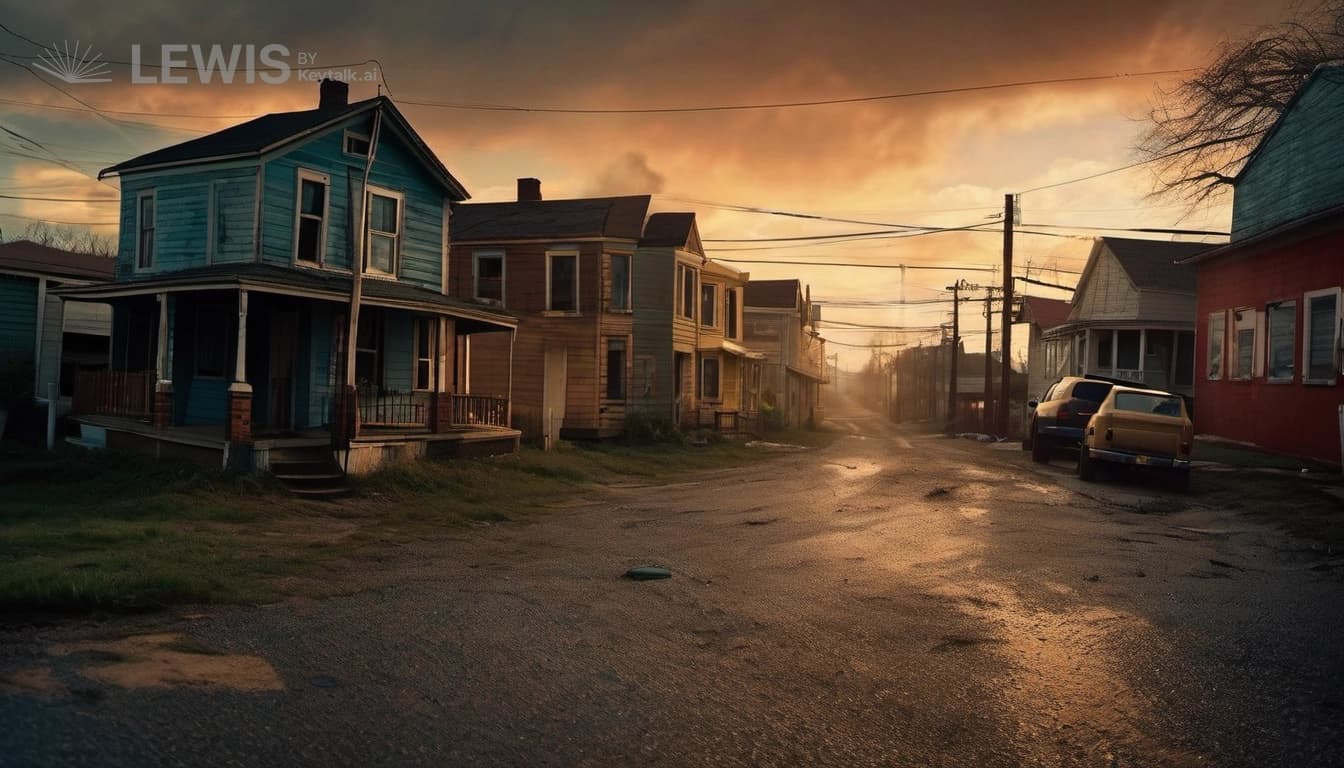
The story unfolds in the hauntingly desolate refugee settlement of **Bereg**, nestled amidst the ashen remains of a once-thriving Eastern European countryside, circa **2093**, fifty years after the Collapse. The Collapse was an apocalyptic event triggered by a pandemic that decimated the global population and fractured societal structures. Beyond Bereg’s makeshift barricades lies a treacherous no-man’s-land where the remnants of humanity and nature clash in eerie silence, the air heavy with both decay and an unsettling stillness. This is a world where time feels stagnant, where survivors cling to the remnants of civilization as they teeter on the precipice of oblivion.

2. Important rules of the universe and how it impacts the story:
- **Memory as a Force**: In this world, memory transcends its role as a psychological phenomenon and manifests as a tangible, almost spiritual force. Memory-retention drugs developed before the Collapse have inadvertently blurred the boundary between the living and the dead, creating zombies that exhibit fragmented human behaviors and echoes of their former selves. This complicates the survivors’ understanding of morality: Are the undead enemies to be destroyed, or are they tragic remnants of humanity deserving of empathy?
- **Fragile Sanctuaries**: Refugee settlements like Bereg are humanity’s last bastions, but their existence is precarious. Resources are scarce, and societal rules have regressed into a brutal pragmatism where survival trumps morality. This environment forces characters to grapple with difficult choices, often pitting personal grief against communal needs.
- **Zealotry and Division**: In the absence of stable governance, belief systems—both rational and irrational—fill the void. Konstantin’s philosophy that the undead are divine vessels introduces a dangerous schism in Bereg, reflecting how fragile societies fracture under existential uncertainty. This ideological division becomes as much a threat to the settlement as the zombies themselves.
- **The Weight of Guilt**: Both Zora and Viktor are burdened by their roles in the experiments that led to the current state of the world. This shared guilt becomes a driving force, compelling them to seek redemption but often clouding their judgment. Their internal conflicts mirror the external chaos around them, tying personal stakes to the broader narrative.

3. The visual description of the universe:
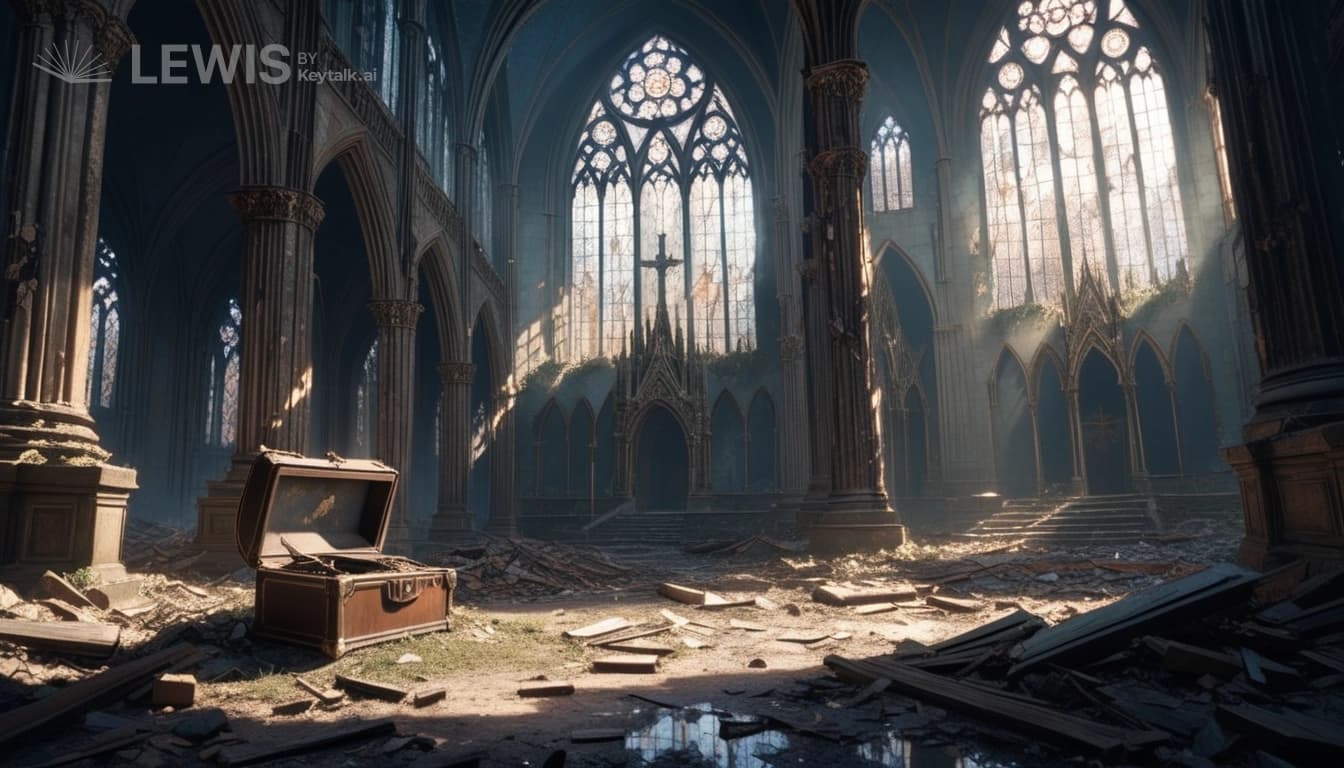
The world of Bereg is **visually sumptuous** in its bleakness, a dissonant harmony of beauty and decay. The settlement itself is a patchwork of salvaged materials: rusted sheet metal, fraying tarpaulins, and weathered stone scavenged from the ruins of nearby towns. Its narrow alleys are lined with makeshift shelters, their walls adorned with fading graffiti and desperate messages scrawled by those who passed through. At the heart of Bereg lies a dilapidated chapel, its stained-glass windows shattered, casting fractured rainbows onto the moldy pews below—a haunting metaphor for the fractured hope of its inhabitants.

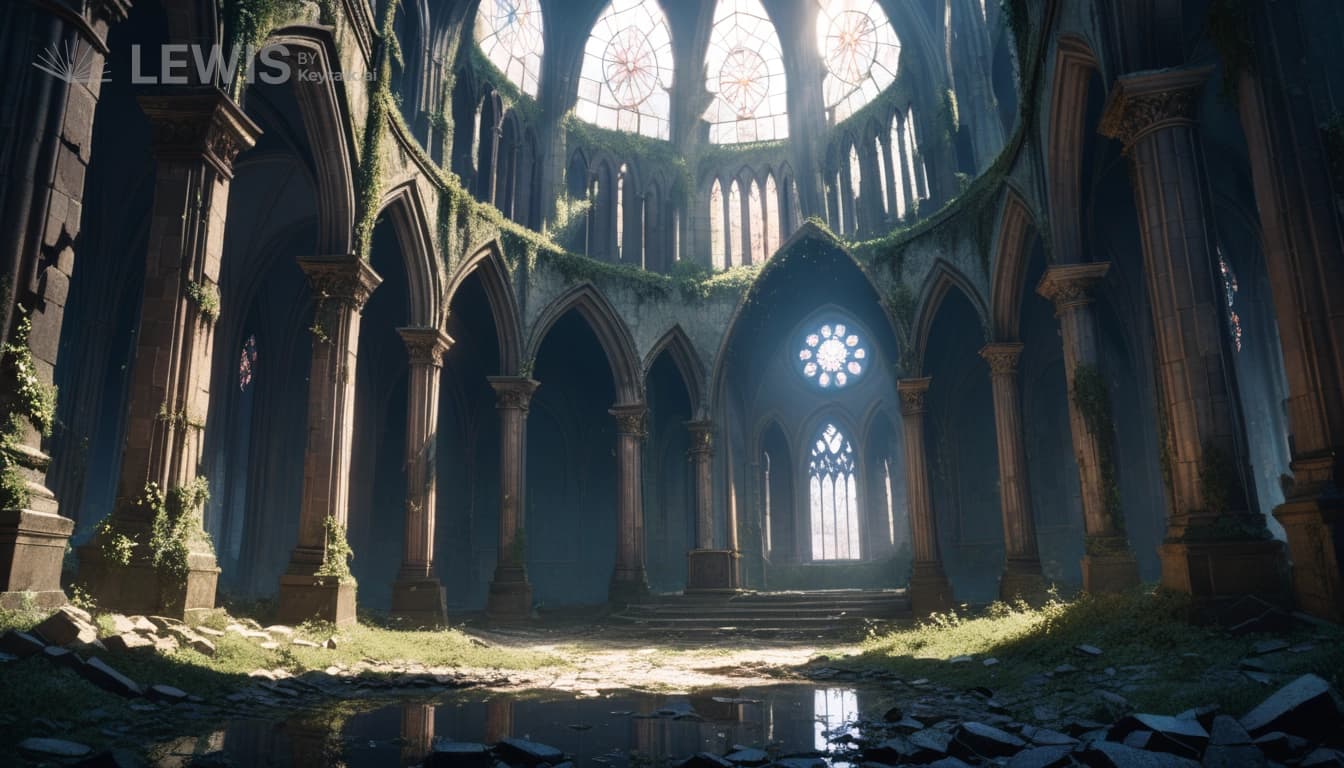
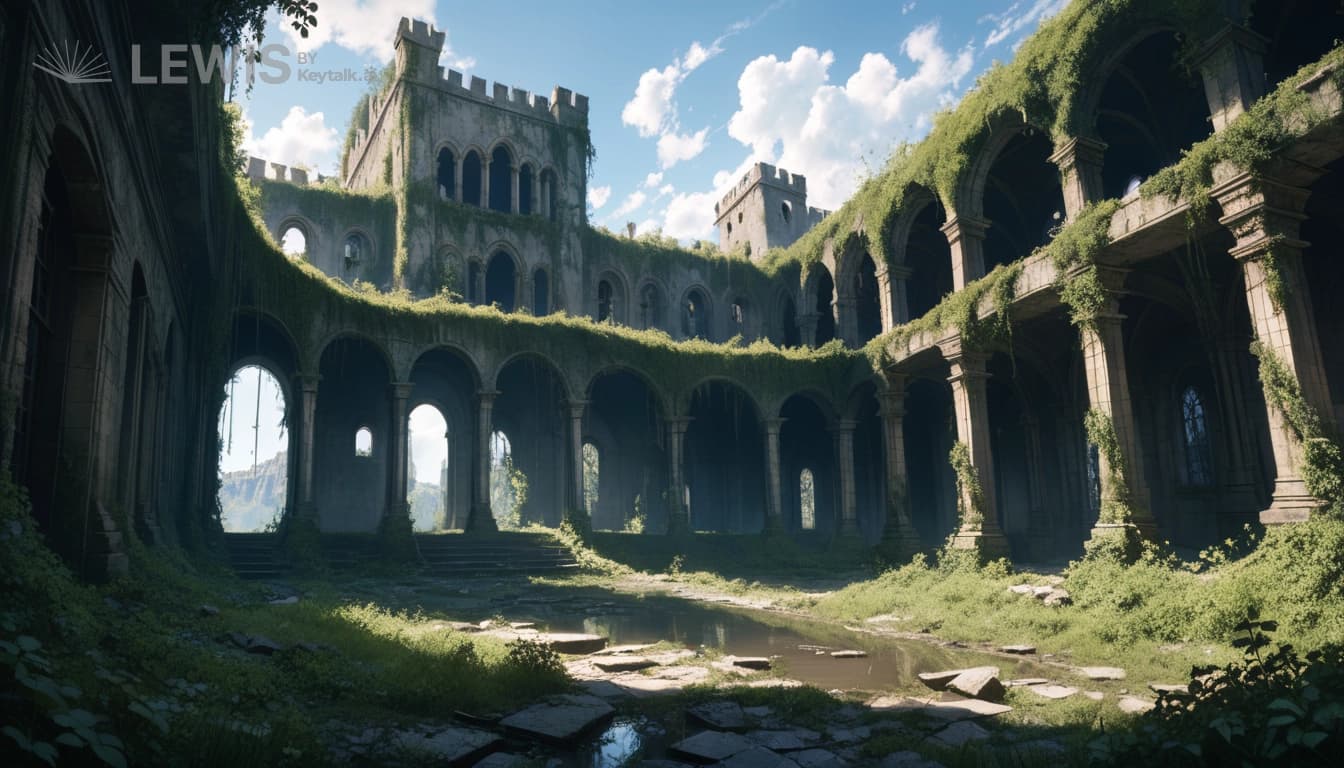
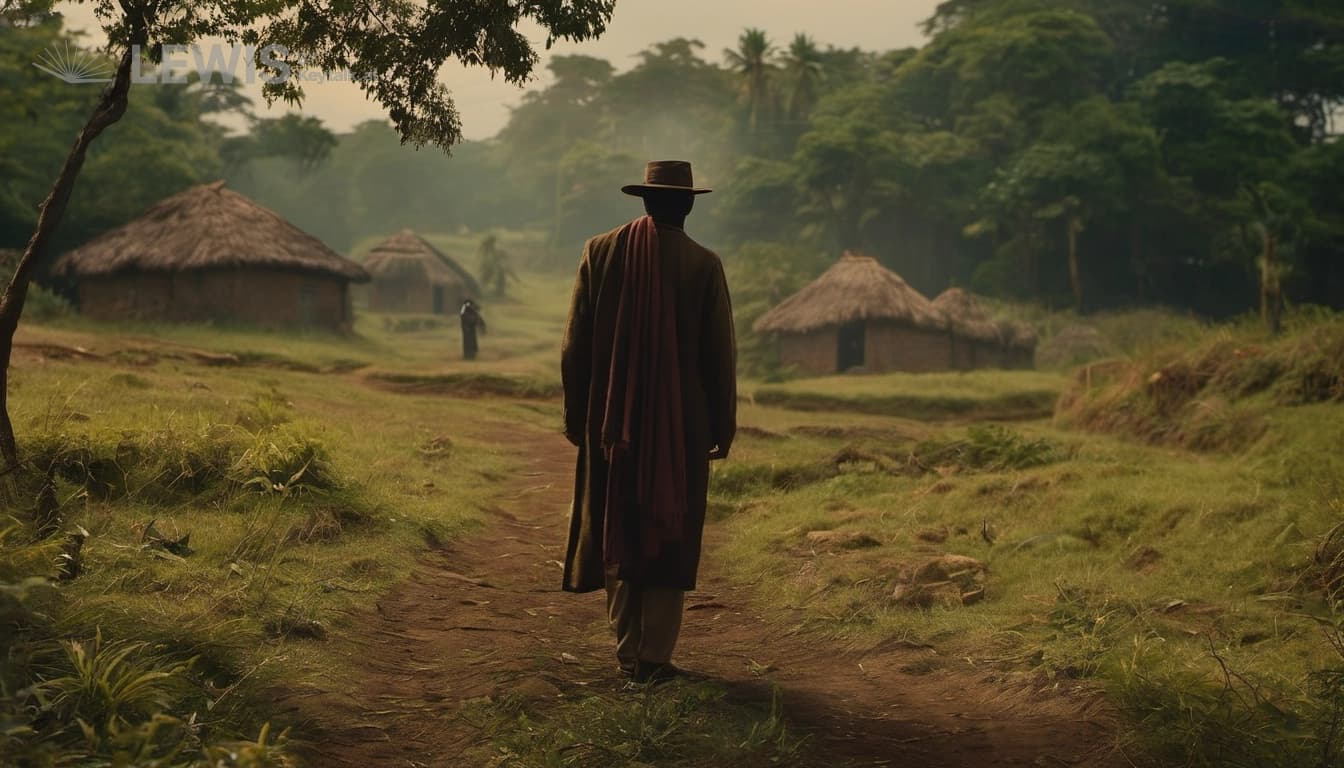
Beyond the settlement, the wastelands stretch endlessly, a surreal tableau of twisted trees, crumbling infrastructure, and fields of wildflowers reclaiming the scars of human destruction. The sky is a constant shade of gray, its oppressive weight broken only by shafts of light that pierce through the clouds like divine judgment. The research facility, when Zora and Viktor finally reach it, is a labyrinth of sterile corridors overtaken by nature’s vengeance: vines crawl through shattered windows, and pools of stagnant water reflect the flickering remnants of emergency lights. The zombies themselves are grotesque works of art, their decaying bodies marked by subtle remnants of humanity—a familiar tilt of the head, a whispered hum, or a flicker of recognition in their milky eyes. This world, though ravaged, is rendered with a painter’s attention to detail, every scene saturated with a dark, melancholic beauty.

4. Notable technologies or philosophies of the universe that impact the story:
- **Memory-Retention Drugs**: Developed as an experimental treatment for terminal illnesses, these drugs were designed to preserve cognitive function and personality even as the body succumbed to disease. However, in the wake of the pandemic, they inadvertently became the catalyst for the current zombie phenomenon. The drugs’ chemical compositions serve as a critical plot device, forcing Viktor to confront his past as a scientist while offering a potential solution—or further disaster—for the settlement.
- **Konstantin’s Philosophy of Divine Memory**: Konstantin preaches that the undead are sacred vessels through which the memories of the dead persist, a twisted interpretation of the memory-retention phenomenon. His philosophy, steeped in esoteric symbolism and ritualistic practices, draws heavily on pre-Collapse religious traditions but warps them into something unrecognizable. This belief system becomes a cultural virus, spreading through Bereg and exacerbating the community’s divisions.
- **Zora’s Wildflowers**
representative image
location 1 image

Location 1

- Title: The Shattered Chapel of Bereg
- Description: Once a place of solace, the chapel now stands as a brittle skeleton of splintered beams and fractured stained glass, its sanctity defiled by time and despair. The air is thick with the mingling scents of mildew and ash, the pews repurposed into barricades against the relentless horrors outside. It is here, beneath the jagged remnants of a sunlit mosaic, that Zora first hears the haunting hum of the undead boy, a sound that cleaves through her hardened composure like a blade through brittle bone.
location 2 image

Location 2

- Title: The Labyrinthine Ruins of Facility 17
- Description: Hidden beneath a canopy of skeletal trees, the crumbling Facility 17 rises like a mausoleum to forgotten sins. Its hallways are a claustrophobic warren of collapsed ceilings and flickering emergency lights, where the air reeks of mildew and chemical rot. Among shattered vials and faded dossiers, Zora and Viktor uncover fragments of a monstrous truth, each revelation echoing like a scream in the suffocating dark.
location 3 image

Location 3

- Title: The Blooming Wastelands of Emil’s Echo
- Description: A surreal expanse where nature reclaims the dead, the wastelands shimmer with bioluminescent fungi sprouting from decayed bodies, their eerie light casting long shadows on the cracked earth. Among the grotesque beauty, mutated wildflowers bloom in impossible colors, their petals whispering in the wind like half-formed words. It is here, amidst this haunting fusion of life and death, that Zora confronts the zombie child, its melodic hum weaving through the desolation like a dirge for the forgotten.

Keytalk Prompts Used

Visual & Sound
Model Used
GPT-4o
text
Stable Diffusion
image

Scenes

scene 1 image
Scene 1
- Title: **Sanctuary Breached**
- Place: The outskirts of Bereg, near the settlement's crumbling perimeter.
- Time: Late evening, under the dim glow of a blood-red sunset.
- Action: A rogue group of zombies breaches the settlement’s defenses, their behavior unsettlingly human-like. Zora Mirovna recognizes a familiar hum from one of the undead, triggering a cascade of suppressed memories and doubt. Panic spreads as survivors scramble to defend Bereg, and the settlement teeters on the brink of chaos.
- Impact: Zora’s fragile emotional armor begins to crack, planting the seeds of her obsession with the zombie child. The settlement’s sense of security is shattered, setting the stage for division and distrust.
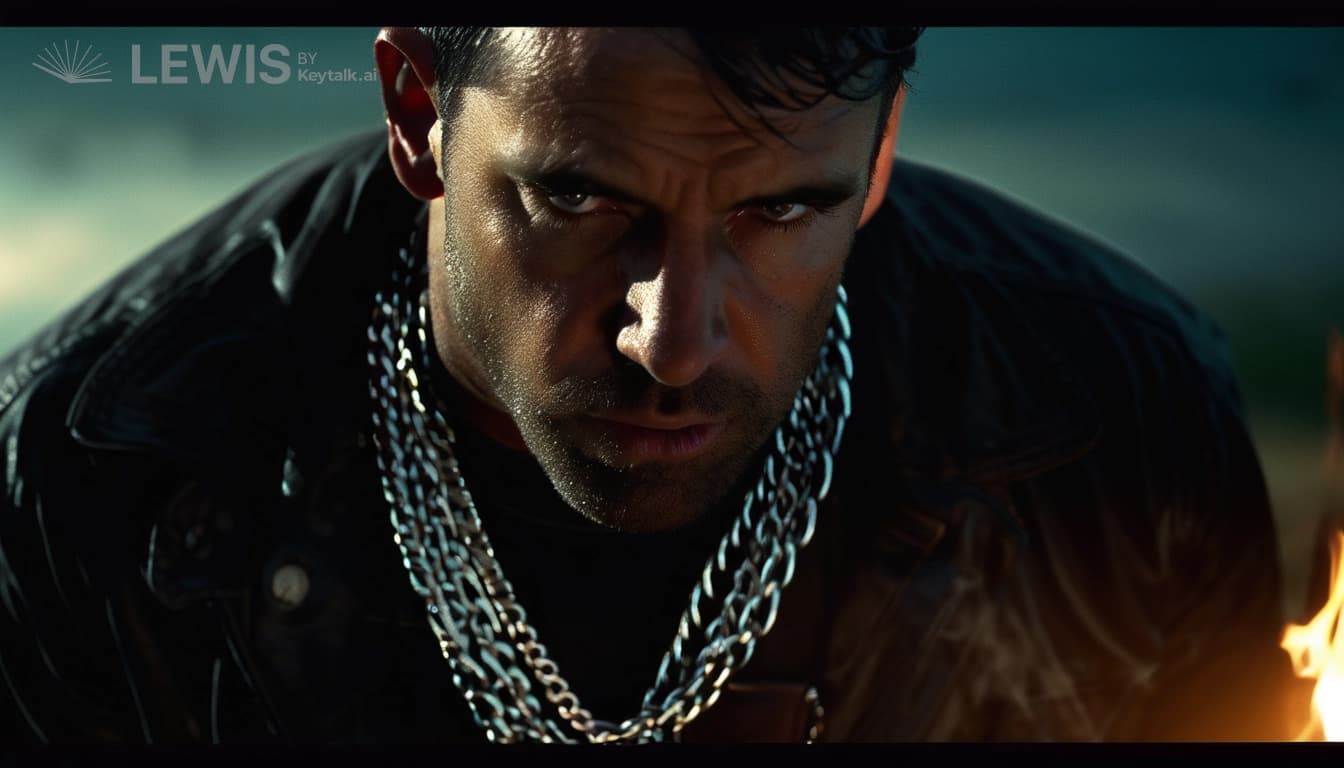
- Description: The air reeked of decay as the creatures shambled closer, their movements disjointed yet disturbingly deliberate. Zora froze, her breath caught in her throat as one of them, a boy with sunken eyes, tilted his head just so—exactly as Emil used to. The haunting melody he hummed was unmistakable, a lullaby she hadn’t heard since the world fell apart.
scene 2 image
Scene 2
- Title: **Echoes of the Past**
- Place: Zora’s dimly lit infirmary, its shelves lined with dwindling supplies, and the settlement square where a captured zombie is restrained.
- Time: The dead of night, silence broken only by the murmurs of frightened survivors and the distant howls of the wind.
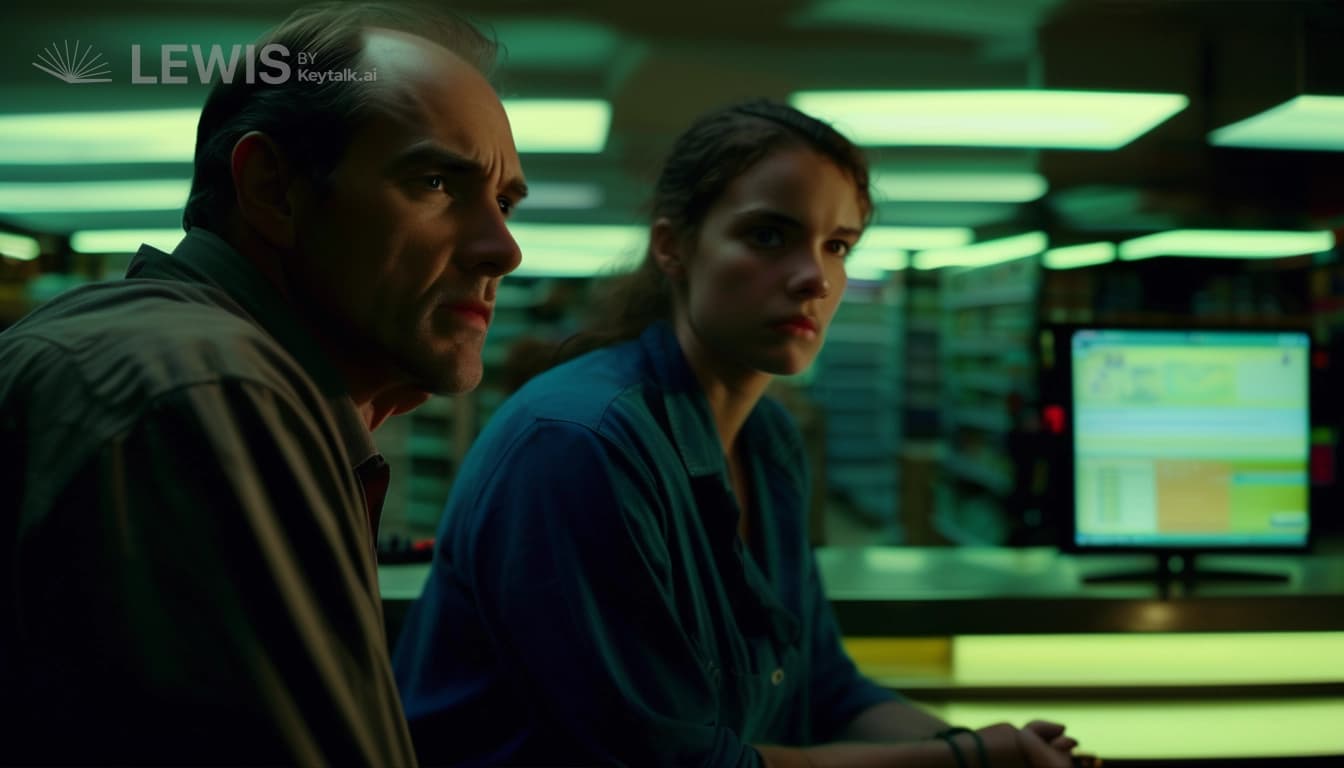
- Action: Zora obsessively studies the restrained zombie, convinced of its connection to Emil, while Viktor Dragomirov observes skeptically. The creature mutters fragmented phrases, triggering Viktor’s recognition of mnemonic patterns tied to his abandoned research. Their uneasy partnership begins as Viktor reluctantly agrees to investigate further.
- Impact: Zora’s obsession deepens, and Viktor’s buried guilt resurfaces, binding them in a reluctant alliance. The settlement’s fear grows as rumors spread of zombies retaining traces of their humanity.
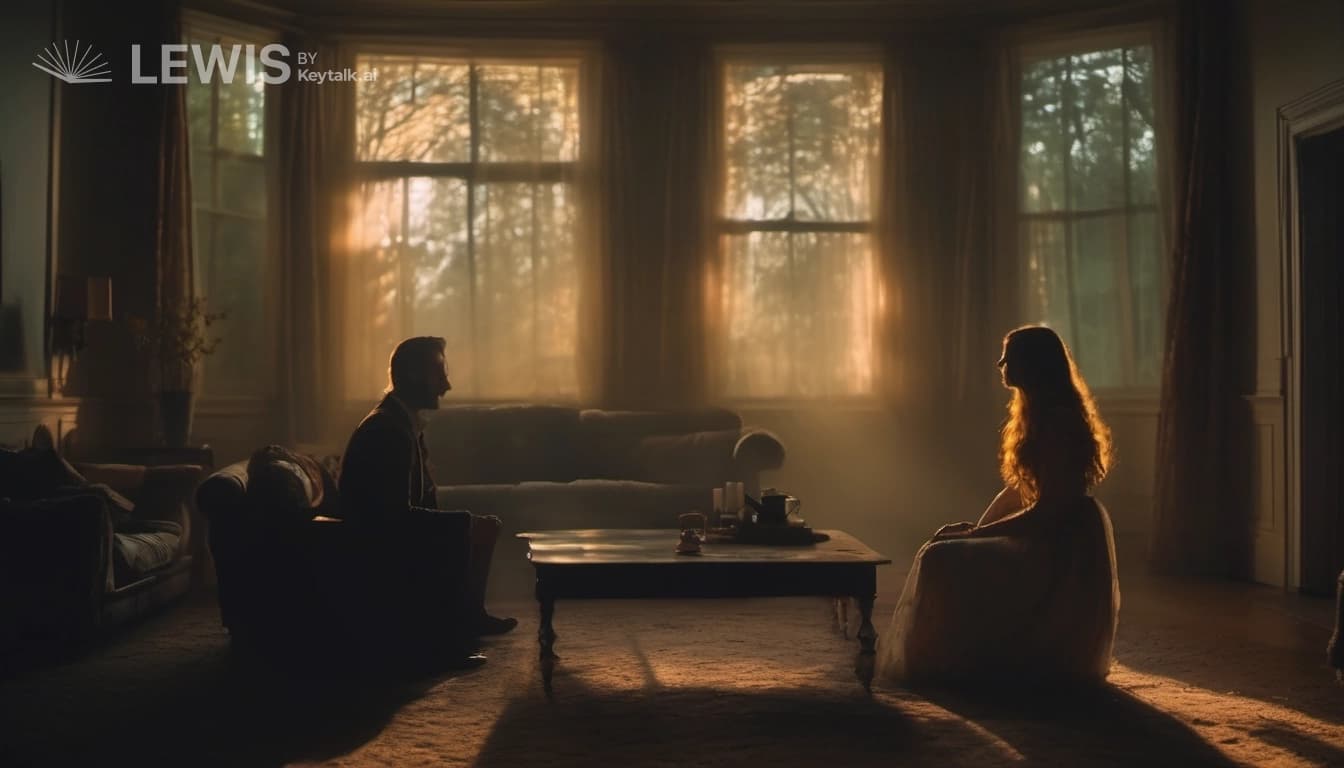
- Description: The zombie twitched against its bindings, its cloudy eyes scanning the room with unnerving intent. “Mama,” it rasped, the word barely audible but enough to make Zora stagger, her vision swimming. Viktor’s face darkened, his mind racing back to a past he had spent years trying to forget.
scene 3 image
Scene 3
- Title: **The Prophet’s Creed**
- Place: The settlement’s gathering hall, a cavernous, crumbling space lit by flickering oil lamps, with Konstantin Radev standing atop a makeshift podium of salvaged wood.
- Time: Early evening, shadows lengthening as a restless crowd murmurs in the growing dimness.
- Action: Konstantin delivers a fiery sermon, declaring the zombies sacred vessels of divine memory, mesmerizing the desperate crowd. Zora and Viktor arrive mid-speech, their attempts to challenge his rhetoric met with hostility. The crowd begins to splinter, some enthralled by Konstantin’s vision, others unnerved by his fervor.
- Impact: The settlement fractures as Konstantin’s influence spreads, sowing division and igniting tensions. Zora and Viktor become outcasts among those who embrace Konstantin’s philosophy, deepening their isolation.
- Description: Konstantin’s voice rose like a storm, his piercing gaze sweeping over the crowd. “These creatures carry the burden of our sins,” he proclaimed, arms outstretched. Zora’s fists clenched at her sides as Viktor whispered, “He’s weaponizing their fear.”
scene 4 image
Scene 4
- Title: **Fragments of the Truth**
- Place: The outskirts of Bereg, a desolate stretch of wasteland littered with rusting debris and skeletal remains of vehicles, under the oppressive gray of a sunless sky.
- Time: Early morning, a pale, cold light creeping through the haze as the wind howls with a mournful wail.
- Action: Zora and Viktor reluctantly venture into the wastelands in search of the abandoned research facility. Their journey is fraught with danger, including an ambush by a pack of zombies whose erratic behavior mirrors unsettlingly human traits. They narrowly escape, but their fragile partnership begins to fracture as Viktor’s evasive remarks fuel Zora’s suspicions of his complicity in the experiments.
- Impact: Zora’s faith in Viktor wanes, and her determination to uncover the truth about Emil deepens, even as the growing tension between them threatens their mission.
- Description: The wind carried the stench of rot and despair, whipping against Zora’s scarf as she glared at Viktor. “You’re hiding something,” she accused, her voice a blade of ice. Viktor’s silence was louder than any confession, his gaze fixed on the path ahead, where the research facility loomed like a tombstone in the distance.
scene 5 image
Scene 5
- Title: **Faith Divided, Blood Spilled**
- Place: The center of Bereg, its marketplace transformed into a chaotic battleground, under a blood-red twilight sky thick with smoke and ash.
- Time: Late evening, as the sun sets in a haze of crimson, casting jagged shadows across the torn earth.
- Action: Konstantin’s followers release captured zombies into the settlement, inciting a violent clash between those loyal to his cause and those rallying behind Zora and Viktor. Amidst the carnage, Zora faces the boy zombie she believes to be Emil, her hesitation allowing it to approach dangerously close before Viktor intervenes, fracturing their fragile alliance further.
- Impact: Bereg descends into anarchy, its fragile unity shattered as Zora’s internal conflict deepens, and Viktor’s actions sow mistrust, setting the stage for a final confrontation with devastating stakes.
- Description: Screams pierced the smoky air as the undead stumbled through the fray, their guttural moans mingling with Konstantin’s fervent cries of salvation. Zora’s trembling hand faltered as the boy’s melodic hum reached her ears, a ghostly echo of Emil’s bedtime lullaby.
scene 6 image
Scene 6
- Title: **The Final Confrontation**
- Place: The remnants of Bereg’s central square, now a smoldering wasteland littered with bodies—both human and undead—beneath a pale, fractured moon.
- Time: Midnight, as an eerie stillness settles over the ruins, broken only by the crackle of distant fires and the low, mournful hum of the boy zombie.
- Action: Zora, trembling yet resolute, confronts the zombie she believes to be Emil, her scalpel poised to strike as it reaches out with disjointed, almost human movements. Viktor, bloodied but unyielding, demands she make a choice: sever the past or risk the settlement’s complete destruction. Konstantin, wounded but defiant, watches from the shadows, his final gambit unraveling as his remaining followers scatter in despair.
- Impact: Zora’s decision—borne of equal parts grief and fury—ends the boy zombie’s unnatural existence, silencing the melody forever. The act fractures her soul but galvanizes the survivors, rallying them to finally overthrow Konstantin and reclaim what’s left of Bereg, though the cost leaves them irrevocably changed.
- Description: The scalpel gleamed coldly in Zora’s grasp, trembling as the boy’s delicate hum faltered into silence. Viktor’s gaze burned into her, his voice a harsh whisper against the crackling ruins: “End this.”
'Echoes of the Unquiet Dead'Story Chat

Want to chat with the characters from this story?

'Echoes of the Unquiet Dead'Story Chat

Want to chat with the characters from this story?

story image
story image
story image

You might also like

Comments0

theme music
Echoes of the Unquiet Dead by Sirius