Plot Synopsis
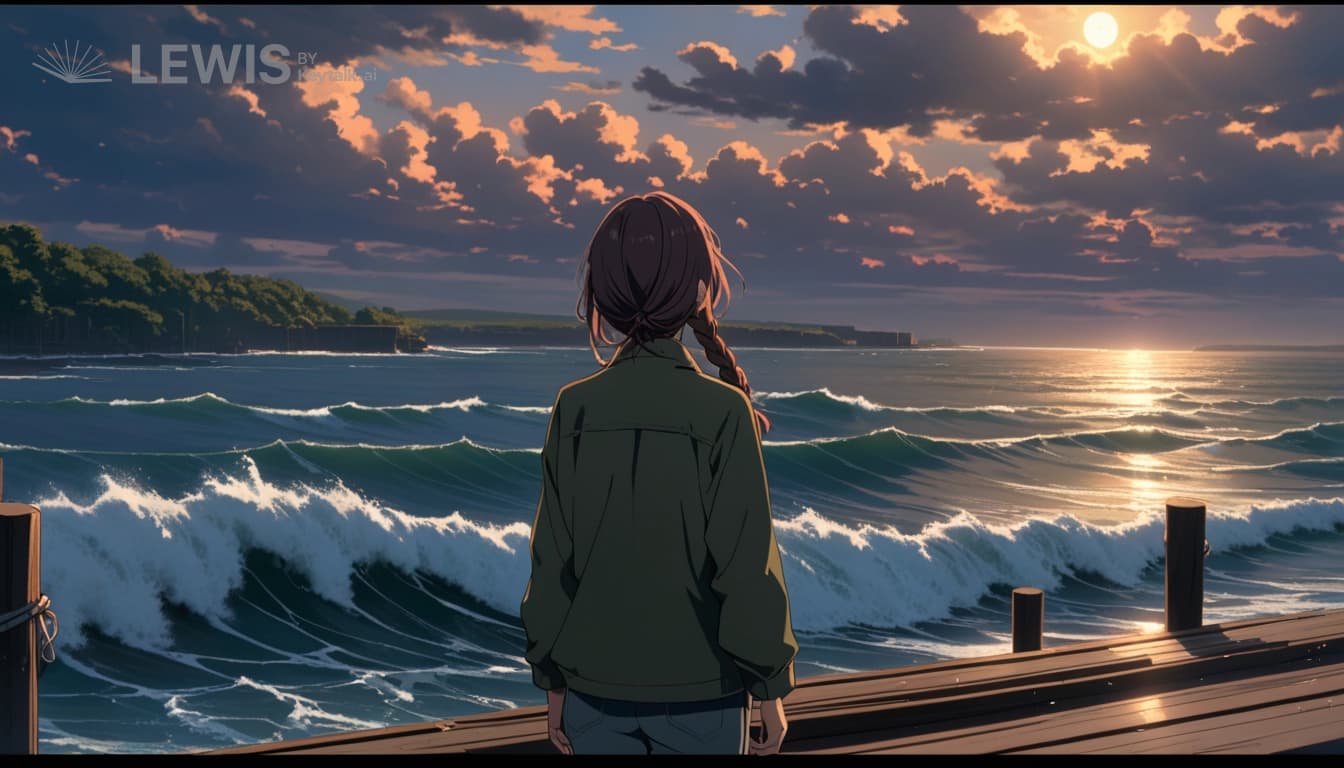
Anna Jones has spent her whole life on the edge—on the battered edge of the continent, the crumbling edge of her township, and the frayed edge of her own family. She moves through her days as if underwater, slipping unseen down the dock at dawn, hands raw from rope and salt, mind flickering with those private, impossible visions: the town half-drowned, her home empty, faces she knows rearranged by loss and time. She’s learned to treat these flashes like the weather—unpredictable and mostly ignored, because nothing good ever comes from chasing storms. But when Anna’s father vanishes for the third time in as many years, leaving only a battered jacket and a cryptic note (“Don’t trust the tide—E.M.”), the old boundaries between reality and vision begin to erode. Anna, who thought she’d mastered survival by staying invisible, is suddenly at the center of something she can’t explain, haunted by the sense that her family’s unraveling is both ancient and unfinished.
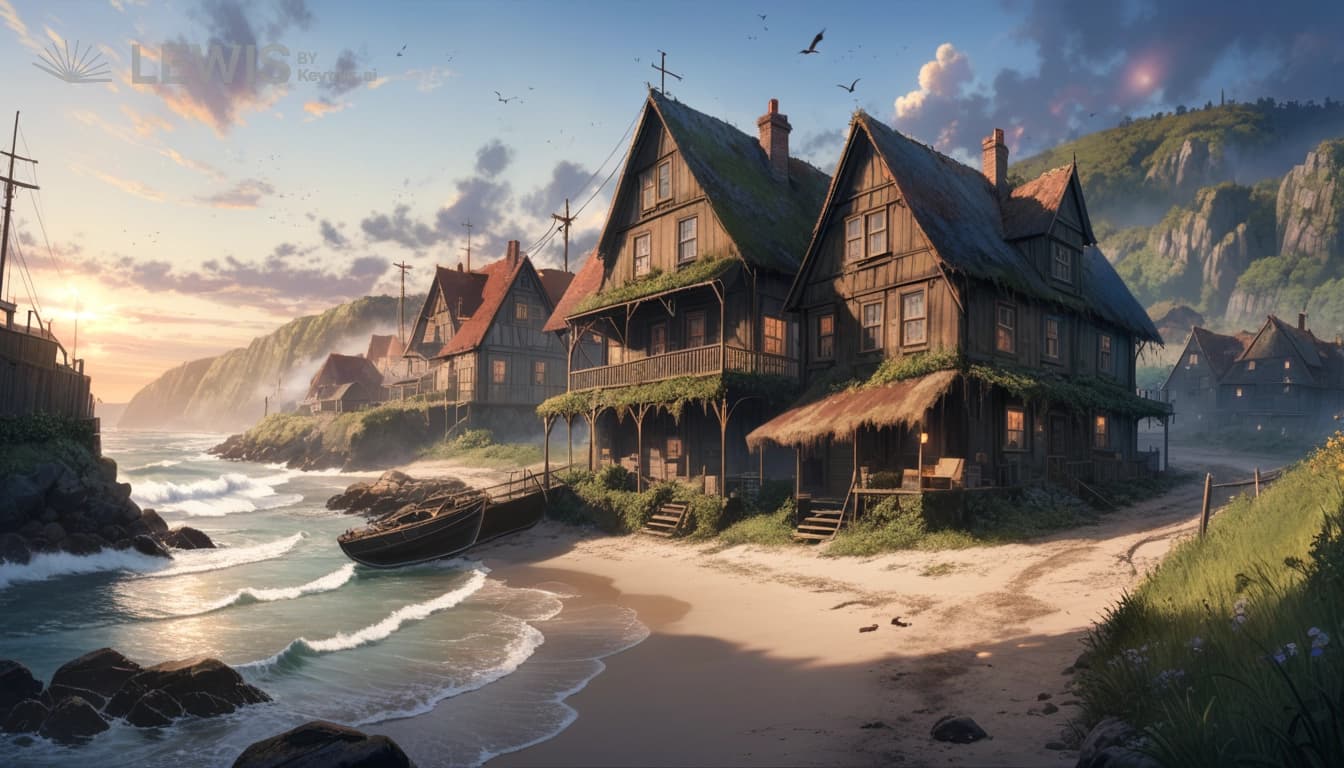
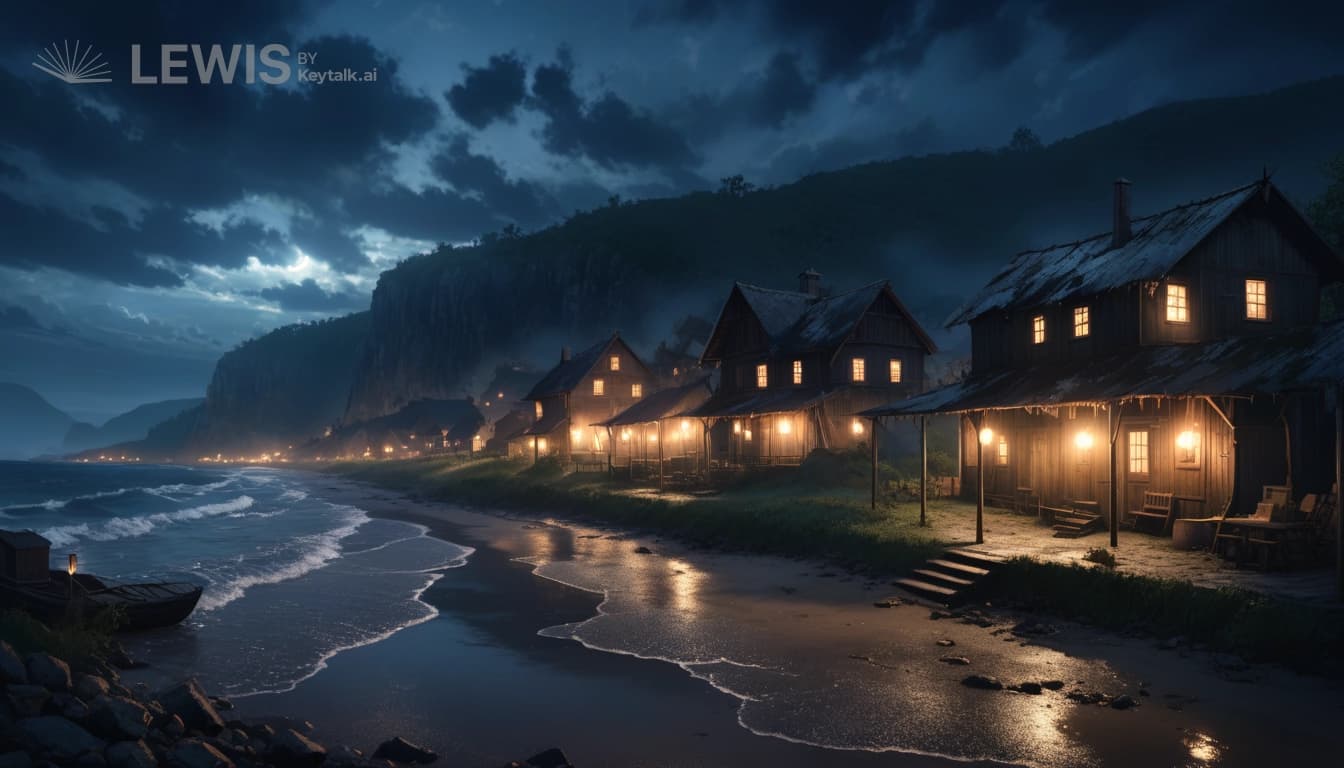
The township itself is sinking, both literally and figuratively—houses boarded up, the coastline gnawed away by every storm, and a population that shrinks as surely as the beach. Eamon Mallory, council chair and Anna’s estranged grandfather, presides over the slow-motion disaster with the relentless dignity of a lighthouse keeper in a hurricane. Eamon’s fixation on tradition and secrecy has kept the township afloat, but at a cost: the truth of the past is buried as deep as the pilings beneath the old pier. Anna despises Eamon’s control, his refusal to acknowledge her father’s failings, his constant rewriting of family history. Yet when Anna’s visions sharpen—showing not just disaster, but moments she never lived, conversations she’s never had—she’s forced to turn to Eamon. She needs answers, and he’s the only one who might know why the impossible keeps bleeding into her waking life.
Priya Das, the township’s unofficial rescuer and Anna’s unlikely confidant, is the first to believe her. Priya’s own life is a patchwork of loss and stubborn hope; she understands the impulse to save what’s broken, even when it doesn’t want saving. Priya’s practical, almost abrasive kindness becomes Anna’s anchor as they begin to investigate her father’s disappearance. Together, they sift through the detritus of the township—old radio logs, cryptic township ledgers, the whispered warnings of gulls and the static-laced voices Priya coaxes from her battered shortwave. In the process, Anna’s visions intensify, showing her not just possible futures, but alternate presents—echoes of choices never made, roads not taken. The more Anna resists, the more the visions intrude, until she can’t tell whether she’s seeing the future, the past, or something far stranger.
As Anna and Priya dig deeper, they uncover a hidden ledger in Eamon’s study, filled with coded entries and dates that correspond to every major disaster the township has endured. The ledgers hint at an impossible truth: for generations, the Mallory family has made secret bargains—sacrifices of memory, love, even their own children—to keep the township above water, both figuratively and literally. The visions Anna suffers are not a curse, but an inheritance; she is the latest in a long line to bear the cost of survival, her mind fractured by the weight of futures that never came to pass. Eamon, desperate to preserve both the township and his own legacy, tries to convince Anna that some truths are too dangerous to reveal, that the price of knowledge is too high. But Anna, for the first time, refuses to be invisible or complicit.
The climax arrives with a storm that dwarfs anything in living memory—a convergence of weather and revelation. As the township buckles under wind and water, Anna confronts Eamon on the old pier, demanding the full truth. Eamon confesses that Anna’s father tried to break the cycle, to save Anna from the family’s impossible bargain, and was “taken” for his defiance—not by the sea, but by those within the township who believe survival is worth any cost. The final choice falls to Anna: sacrifice her own memories and future to preserve the township (becoming another silent guardian, her mind fractured like Eamon’s), or expose the truth, shattering the fragile web of denial that has kept her home afloat but risking its total collapse.
Anna chooses neither—she refuses to forget, but she also refuses to let the past dictate her future. With Priya’s help, Anna broadcasts the truth over the shortwave, breaking the cycle of secrecy and inviting the outside world to witness the township’s unraveling. The cost is immediate: Eamon loses his authority, the township fractures, and Anna’s home is irrevocably changed. But in the aftermath, as