Plot Synopsis
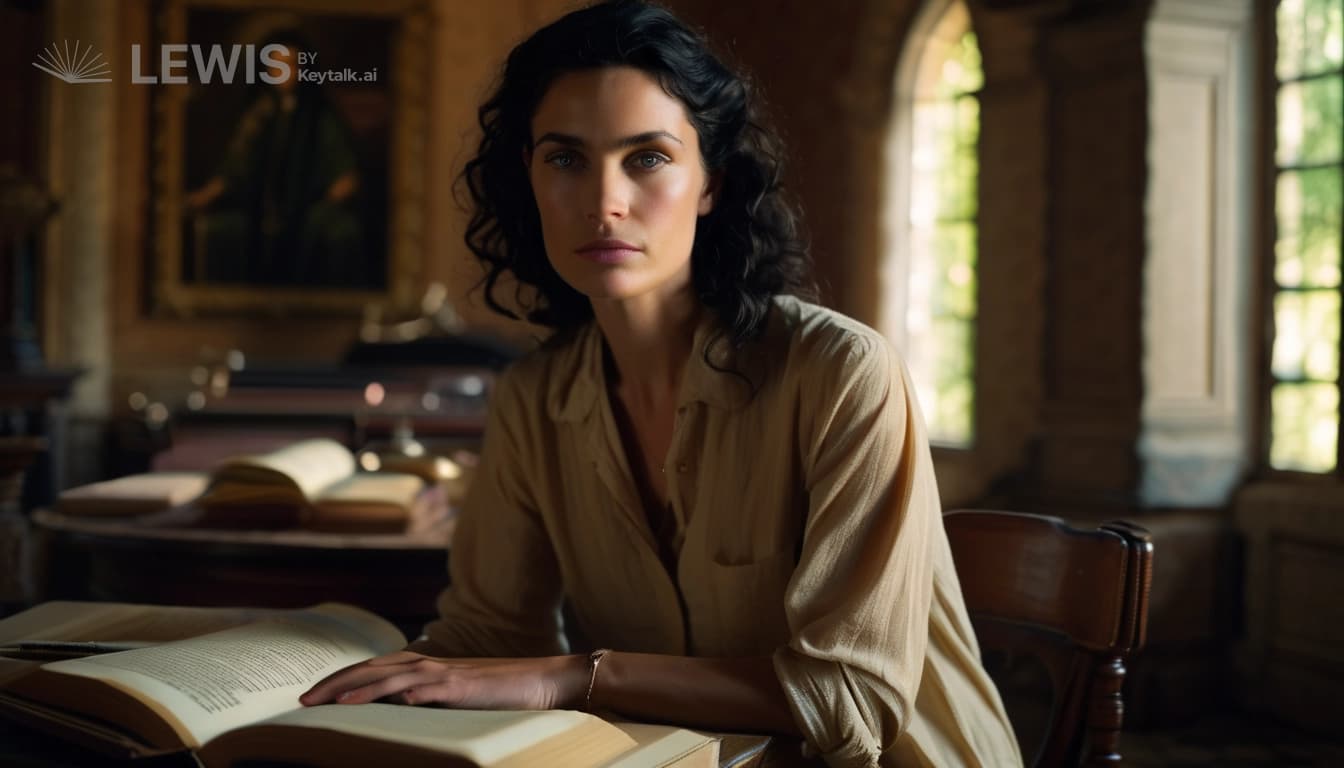
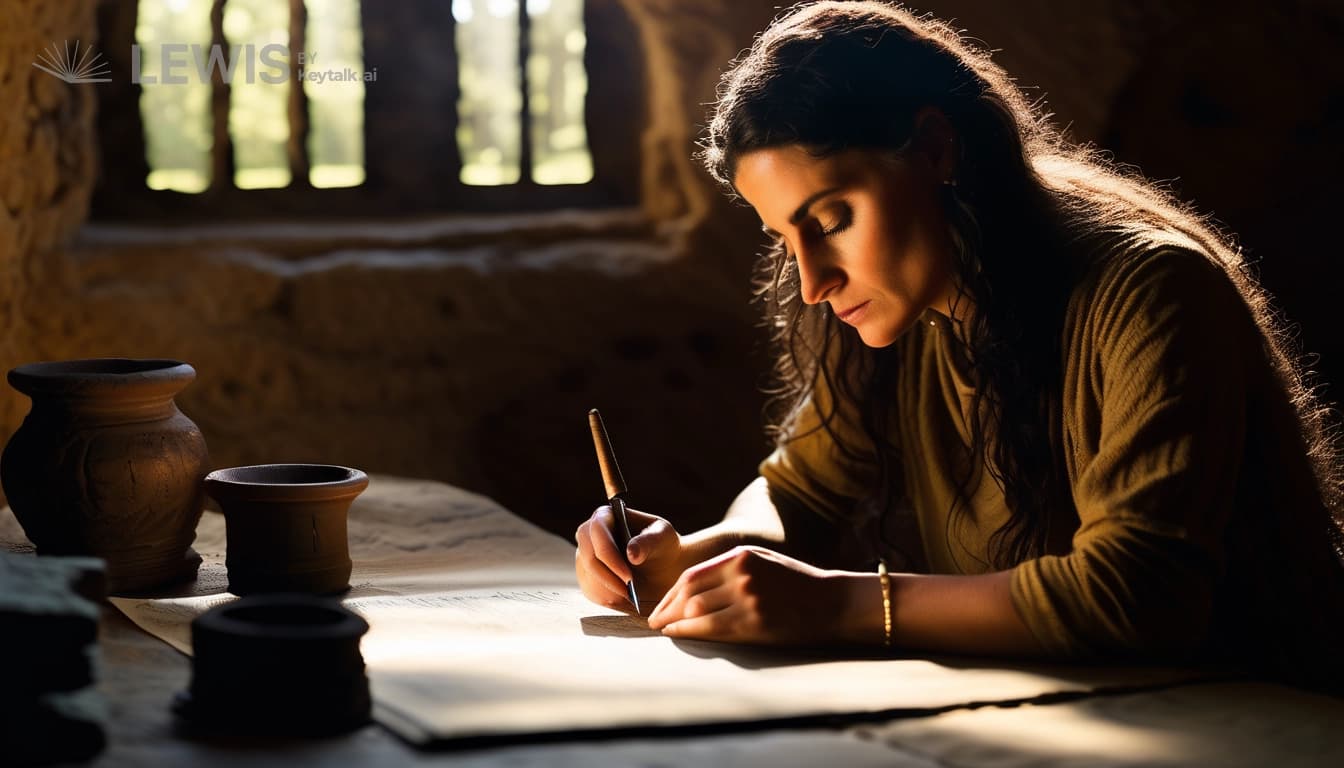
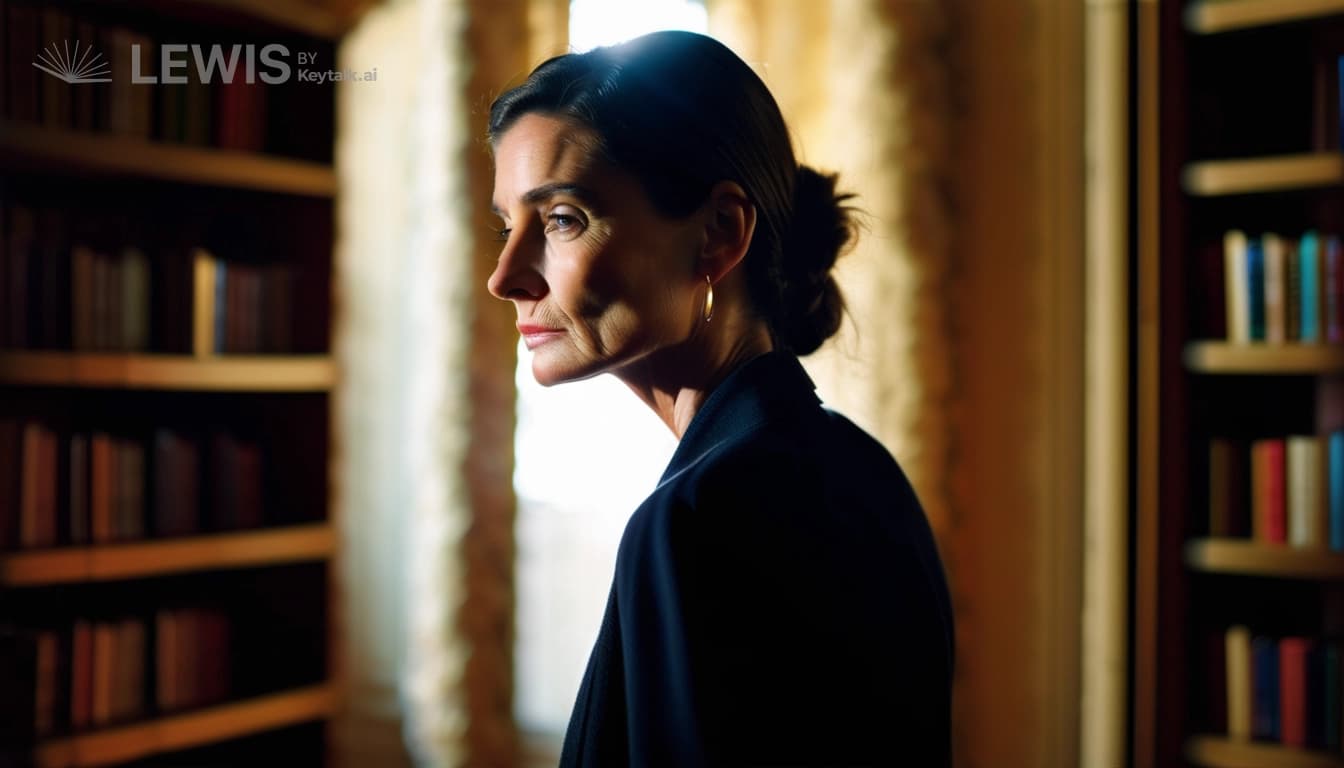
Callista Theodorou, a 34-year-old agnostic archaeologist, finds herself at the center of a global maelstrom when she unearths an ancient manuscript in the ruins of a forgotten civilization. The discovery suggests a tangible connection between the earthly realm and the afterlife, igniting fervent debates among religious leaders and skeptics alike. Callista, whose worldview is shaped by scientific exploration and a cautious skepticism of the unseen, must navigate this fraught landscape to solve the manuscript's riddle and determine mankind's ultimate fate, risking her own beliefs and life in the process.
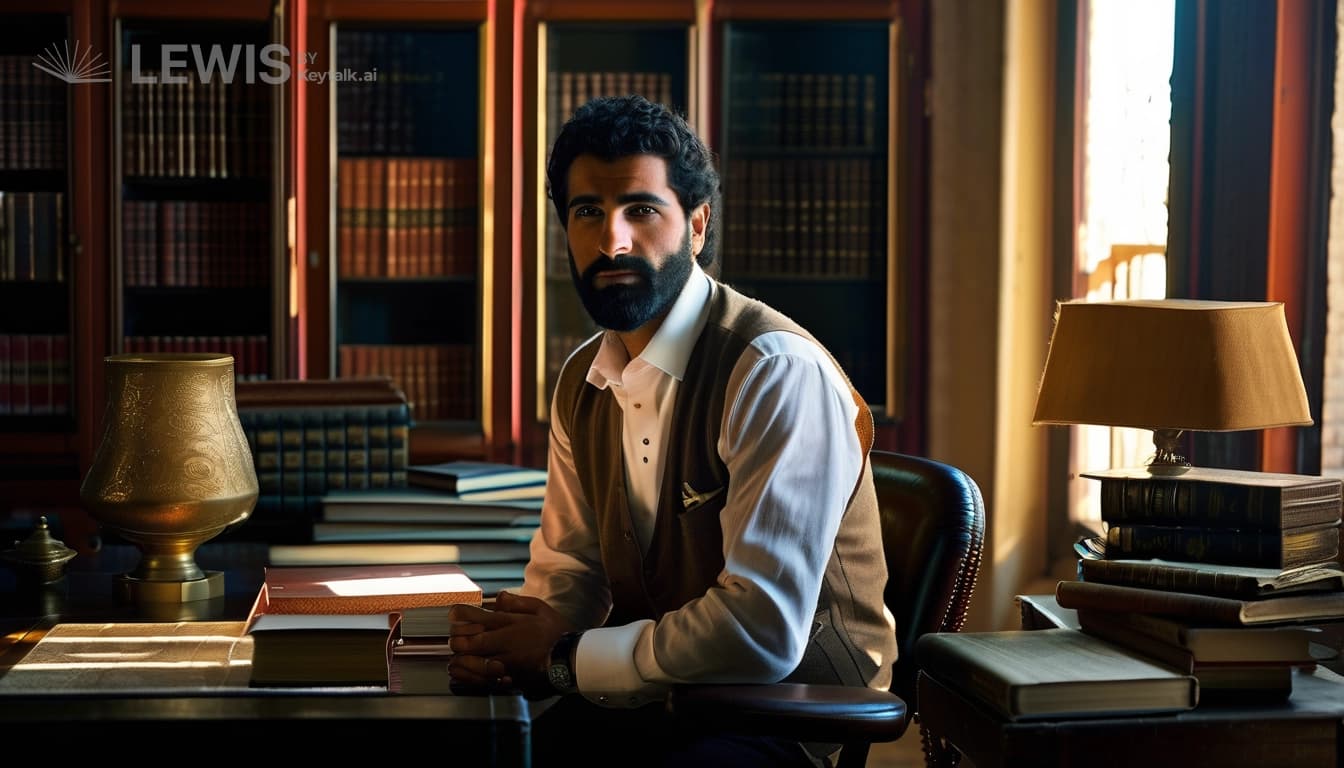
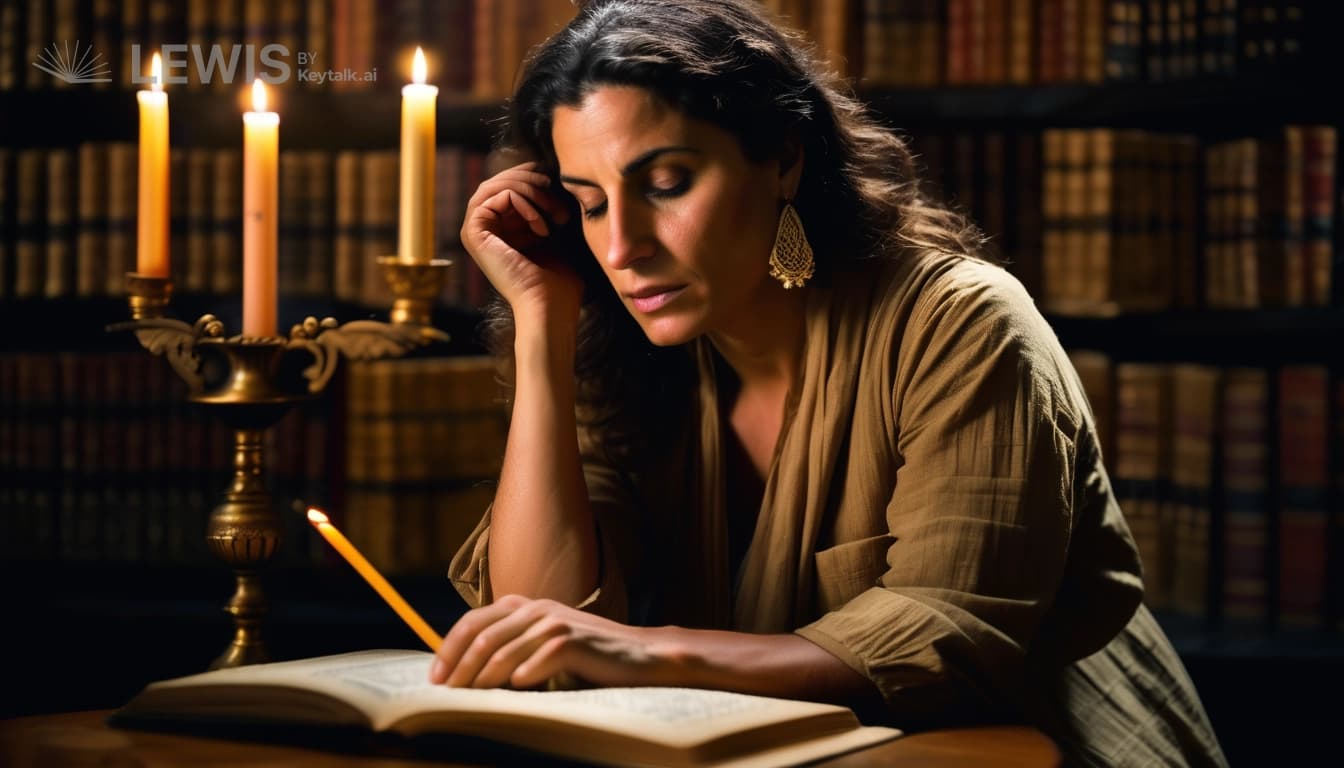
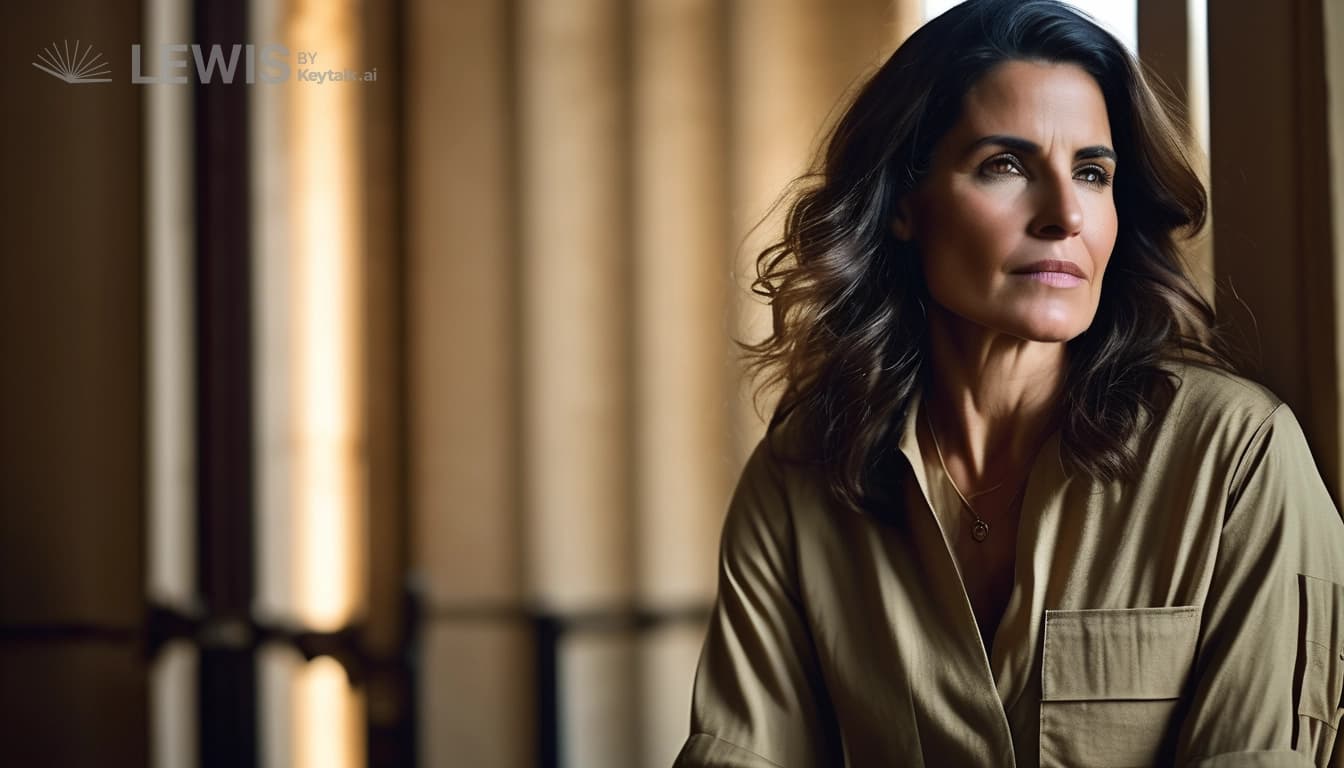
The narrative begins with Callista's routine expedition in a remote part of the Mediterranean, where she stumbles upon the manuscript. Her initial excitement is tempered by the weight of the manuscript's contents, which challenge her agnostic beliefs. Her meticulous nature drives her to study the artifact, leading her to seek the help of her old friend Faisal Al-Hakim, a 38-year-old historian with a profound knowledge of ancient civilizations. Faisal, a fellow skeptic, is fascinated by the discovery but shares Callista's commitment to empirical evidence.
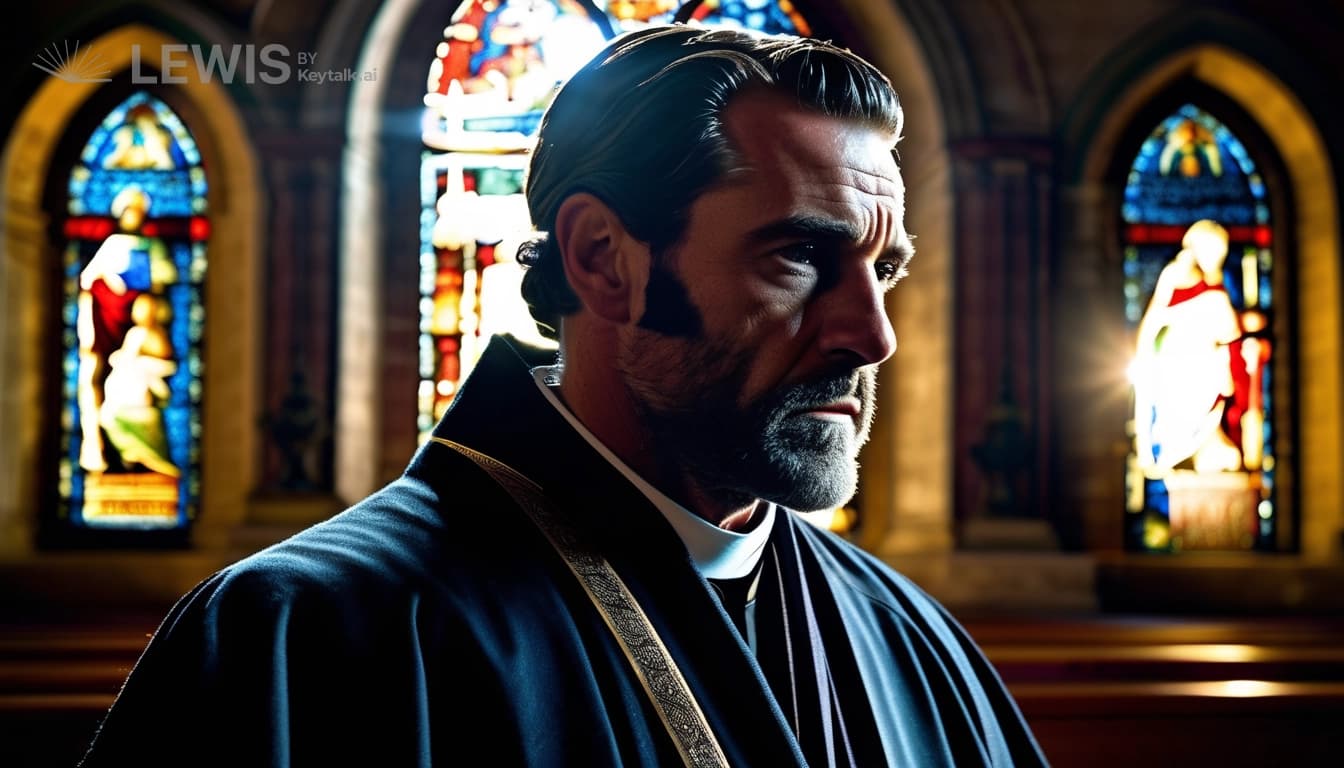
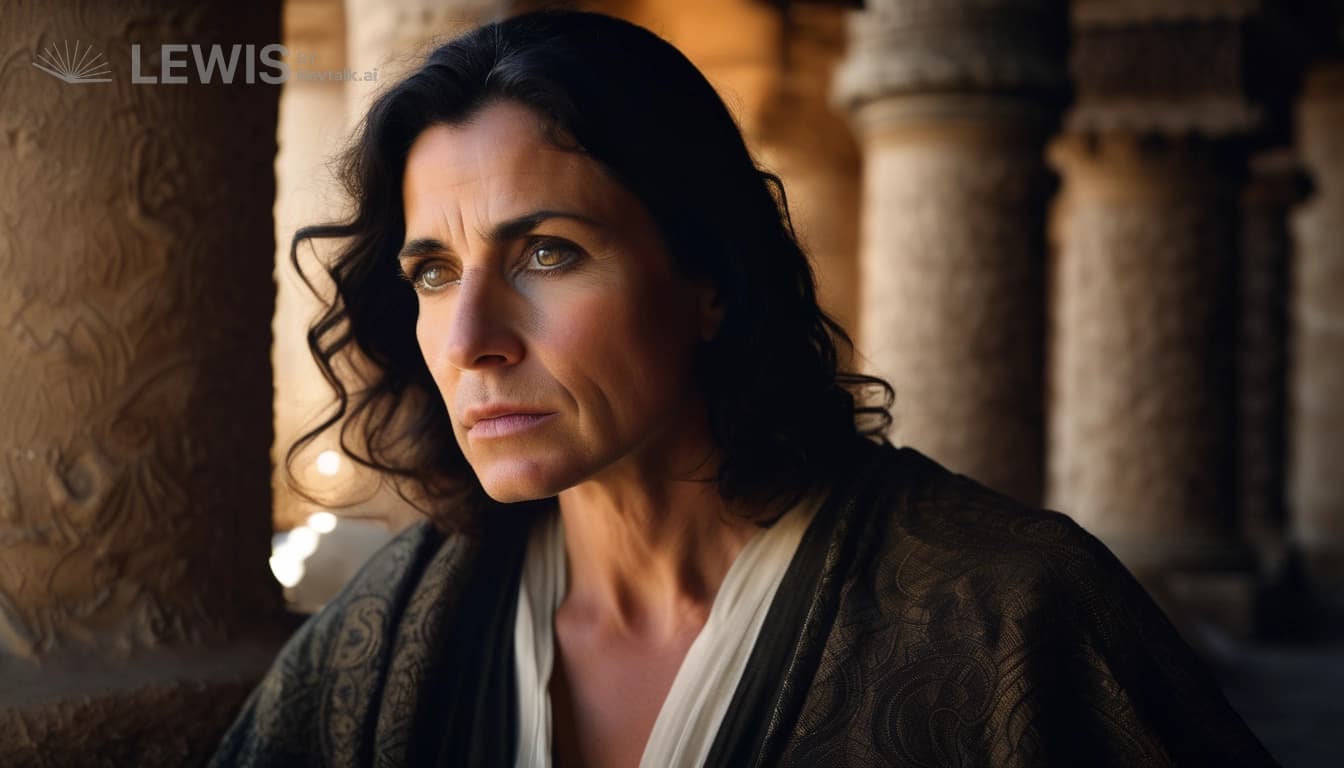
As word of the manuscript spreads, it catches the attention of Hektor Demetriou, a 45-year-old revered religious leader. Hektor, who harbors his own internal struggle with doubt and a yearning for tangible proof of the divine, sees the manuscript as a potential validation of his faith. His fervent speeches, steeped in formal eloquence, rally his followers but also reveal his inner turmoil. Hektor becomes an antagonist in Callista's quest, driven by a need to reconcile his spiritual beliefs with the emerging scientific revelations.
The manuscript's implications spark widespread controversy, drawing in religious leaders, skeptics, and the general public. Callista and Faisal find themselves at the epicenter of this debate, facing increasing pressure from both sides. Their search for answers leads them to ancient texts and artifacts, uncovering clues that suggest the manuscript's authenticity. However, their findings are met with skepticism and outright hostility, particularly from Hektor's followers, who see their work as a threat to their beliefs.
As the tension escalates, Callista's personal and professional relationships are strained. Her relentless pursuit of truth and her internal mantra, "Question everything, believe in evidence," guide her actions, but she begins to doubt her own beliefs. Faisal's unwavering commitment to facts also creates tension, as his skepticism clashes with the growing evidence of the manuscript's authenticity. Their journey takes them to various historical sites, each discovery pushing them closer to the truth but also deeper into danger.
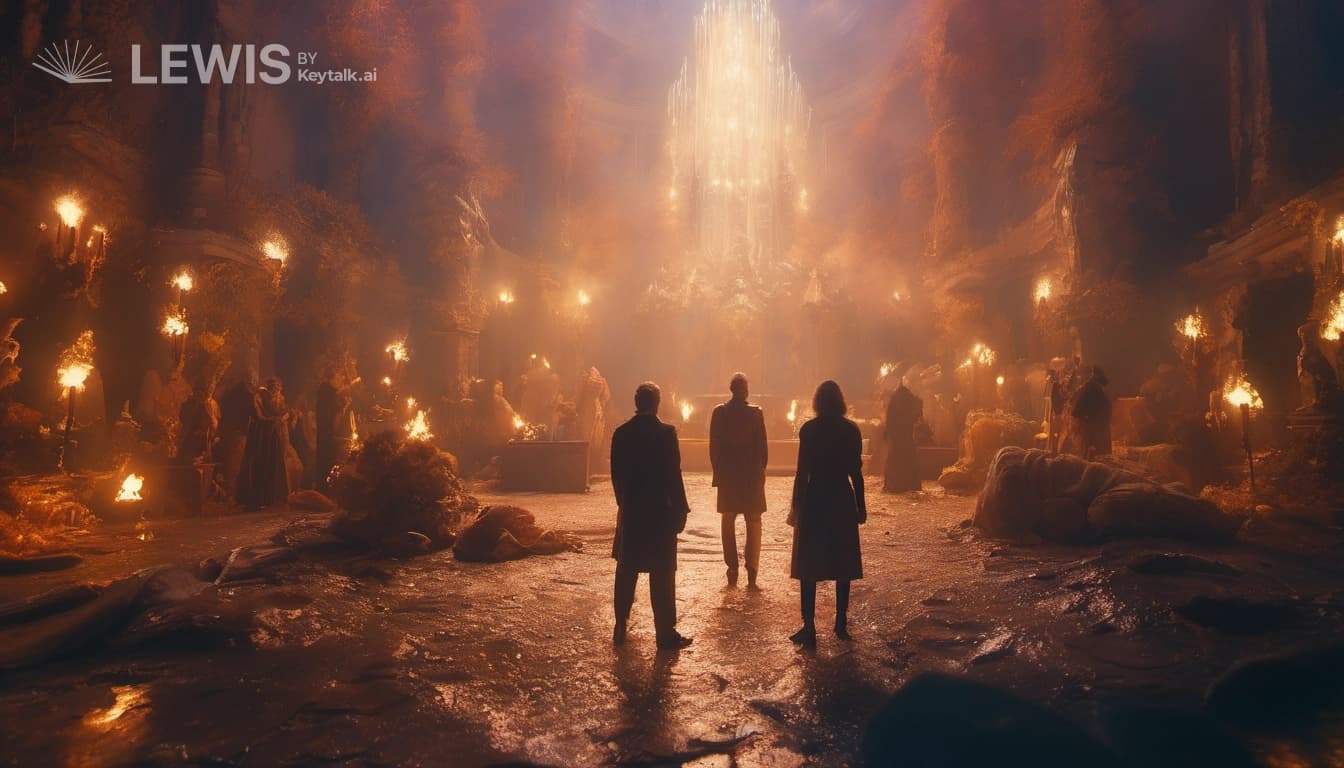
In the climax, Callista and Faisal confront Hektor, who has become increasingly desperate to prove the manuscript's divine connection. A dramatic confrontation ensues, revealing Hektor's internal struggle and the depth of his doubt. Callista, faced with the tangible proof of the afterlife, must reconcile her scientific beliefs with the reality before her. In a poignant moment of clarity, she realizes that faith and science are not mutually exclusive but can coexist, each offering a different perspective on the human experience.
The story concludes with Callista publishing her findings, sparking a new era of dialogue between faith and science. Hektor, transformed by his journey, steps down from his position, choosing a path of introspection and personal growth. Faisal, having navigated the delicate balance between faith and science, broadens his understanding of the world's mysteries. The manuscript, now a symbol of this new understanding, becomes a catalyst for further exploration and discovery. Callista, though her beliefs have been challenged, emerges stronger, more open to the unknown, and ready to continue her quest for truth, wherever it may lead.