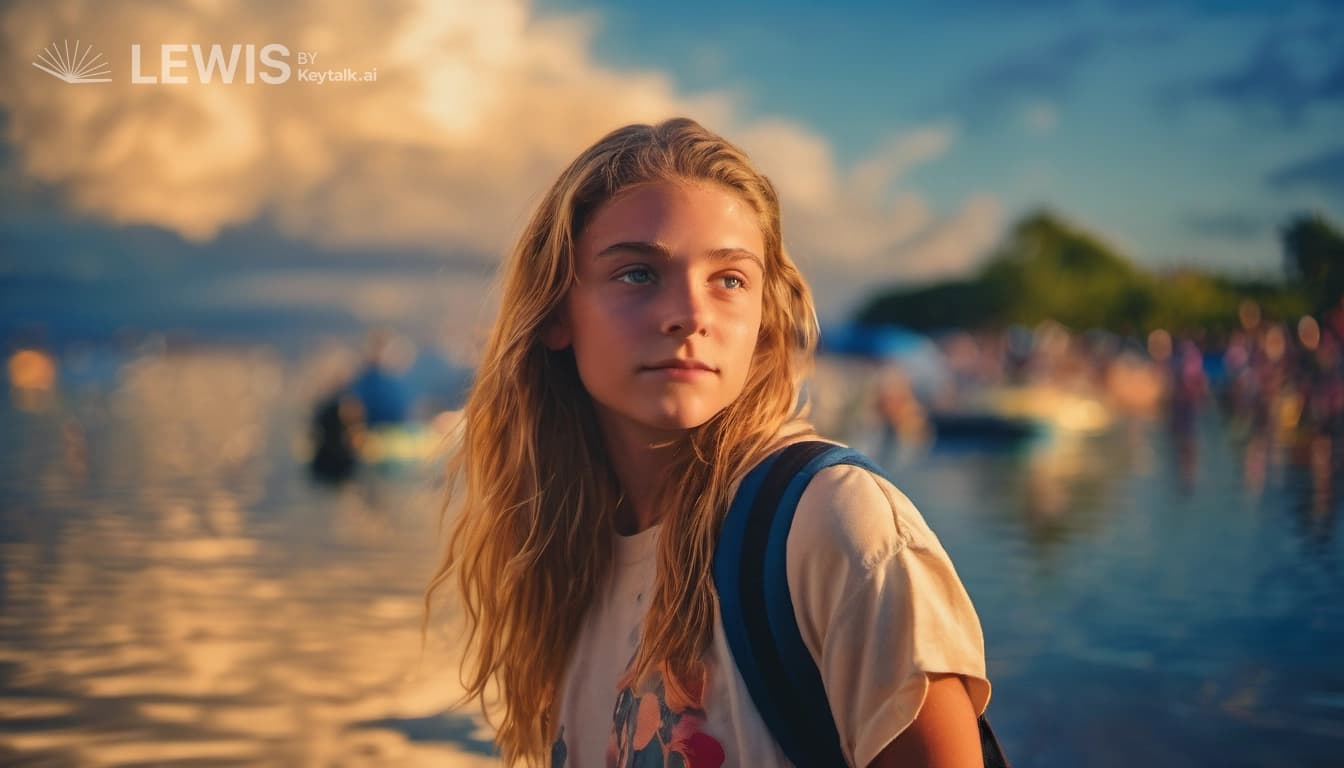

Two Minds, One Cartoon Body cover image

Two Minds, One Cartoon Body

Amid the neon heat of a city teetering between riot and midsummer lethargy, a lonely, overachieving valedictorian and a washed-up children's entertainer — each animated in radically disparate styles — find themselves fused into a single clay body after a botched fireworks stunt. Forced to cooperate to pursue their vastly different summer dreams, they must navigate citywide martial law, existential crises, and their uneasy coexistence inside one absurdly flexible form, discovering that what makes them outcasts may be their only chance at surviving—and redefining—who they become by summer’s end.

Weekly ranking

rank icon image
#4 inConcept
rank icon image
#5 inGenre
rank icon image
#5 inGenre
Scroll

Plot Synopsis

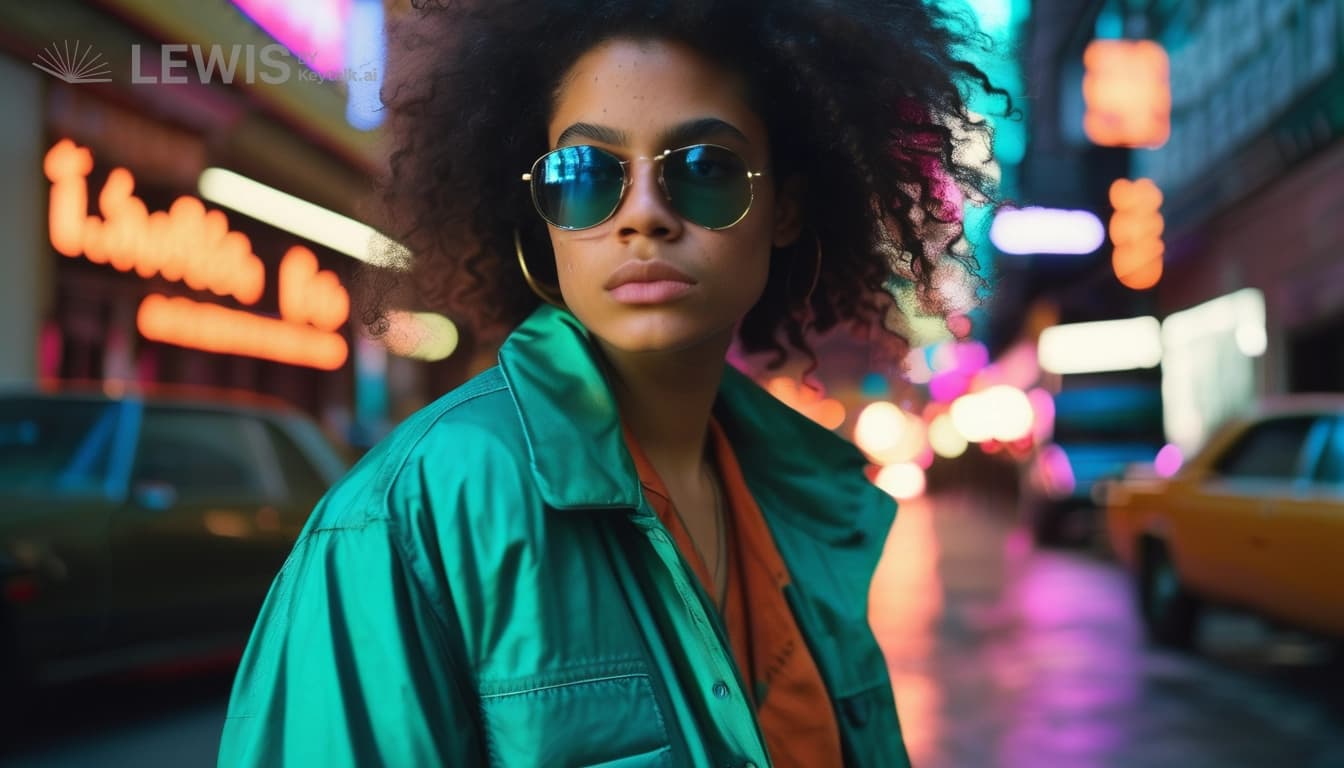
Riley Claybourne’s summer begins with the city’s asphalt sweating out strange tensions—a neon-lit metropolis suffocating beneath martial law, curfews enforced by armored drones, storefronts boarded up yet still glittering under the hum of broken traffic lights. Riley, exhausted from graduation speeches and scholarship interviews, is desperate to spend their final free weeks in the quiet anonymity of a university research lab, far from the chaos and the expectations that have always pressed in from every direction. But when their old friend Zoya “Zoom” Sethi ropes them into a midnight rooftop protest—a wild, beautiful rebellion mapped in luminous graffiti and illegal fireworks—Riley’s carefully choreographed future collides, quite literally, with fate. Mr. Jingles, disguised and desperate for a sliver of attention, attempts a doomed magic comeback during the same protest, his last-ditch pyrotechnic spectacle gone catastrophically wrong. In a moment of improbable cosmic slapstick, a rogue firework—infused with experimental animation fluid from a nearby lab—explodes over the roof, fusing Riley and Mr. Jingles into a single, rubbery clay form, their bodies and animated styles grotesquely and hilariously merged.

Their new existence is a surreal purgatory: Riley’s meticulous mind cohabits with Mr. Jingles’s manic creativity, each battling for control over a body that stretches, morphs, and refuses to obey either’s logic. Every movement is a negotiation—do they stride with brisk efficiency or tumble with vaudevillian flair? Within hours, news of their uncanny transformation spreads, and they become both a viral curiosity and a citywide threat, marked by Dr. Lucien Morrow, the city’s coolly enigmatic Security Commissioner. Morrow, obsessed with the possibilities of animation-fluid and the philosophy of consciousness, sees in Riley-Jingles both a scientific anomaly and a potential weapon. He dispatches teams to capture them, eager to dissect the limits of their fused being, convinced that understanding their hybrid consciousness will bring the city’s chaos to heel.

Riley’s first instinct is to hide, to strategize escape routes and keep their Ivy League dreams intact, but Mr. Jingles—aching for one last shot at redemption and public love—sees opportunity in their newfound fame. Their internal arguments turn physical: limbs tangle, voices overlap, and their body involuntarily morphs between sharp realism and cartoonish elasticity, depending on who’s winning control. Zoya, undaunted by the madness, finds her own map in the chaos—using her network of graffiti-tagged alleyways and sympathetic dissidents to smuggle Riley-Jingles through the city’s underbelly. She’s exhilarated by their strangeness, pushing Riley to embrace the absurd flexibility of their form, while needling Mr. Jingles about his faded celebrity and penchant for corny stunts. Zoya’s dream of a living, breathing map—a city that belongs to those who dare to redraw its borders—becomes entwined with the fugitives’ journey.

Each encounter with Morrow’s forces tests the limits of cooperation. Riley’s tactical brilliance and Mr. Jingles’s improvisational magic become their only weapons: evading drone patrols by stretching flat against alley walls, turning riot police helmets into bouquets of rubber ducks, and slipping through checkpoints by morphing into city statues. The city, in turn, becomes a living maze—its violence and vibrancy amplified by the heat, its citizens watching hungrily for a spectacle. As the chase intensifies, Riley and Mr. Jingles begin to glimpse each other’s wounds: Riley’s terror of disappointing their family and losing their sense of self, Mr. Jingles’s crushing guilt over the scandal that ruined him and the children he let down. The stakes deepen—not just survival, but the question of who gets to steer the body, whose dreams are worth fighting for.

Morrow, ever the rationalist, grows reckless as his control over the city slips. He corners Riley-Jingles and Zoya in a derelict art deco theater, offering a bargain: surrender for study and safety, or risk being hunted down as enemies of the state. But Zoya, unwilling to let authority define their story, triggers a citywide blackout with a single, perfectly-placed mural—a map that guides the city’s rebels to the theater. In the chaos, Riley and Mr. Jingles must finally cede to each other, fusing their talents to stage an escape that is equal parts dazzling magic act and airtight heist. The performance, broadcast live by Zoya’s underground network, turns them from outcasts into folk heroes—symbols not of order or riot, but of radical, unpredictable transformation.

By summer’s end, the city is forever changed: the martial law crumbles beneath public pressure, Morrow is quietly removed (his research confiscated, his legacy ambiguous), and Riley-Jingles must decide whether to seek
Model Used
GPT-4.1
text
Stable Diffusion
image

Story Details

Keytalk Prompts Used
See all Keytalks
no chosen prompts
no chosen prompts
no chosen prompts
no chosen prompts
no chosen prompts
no chosen prompts
Model Used
GPT-4.1
text
Stable Diffusion
image

Character

Protagonist Character

Riley Claybourne

GenderNon-binary
OccupationHigh School Valedictorian / Former Children’s Party Magician

Profile

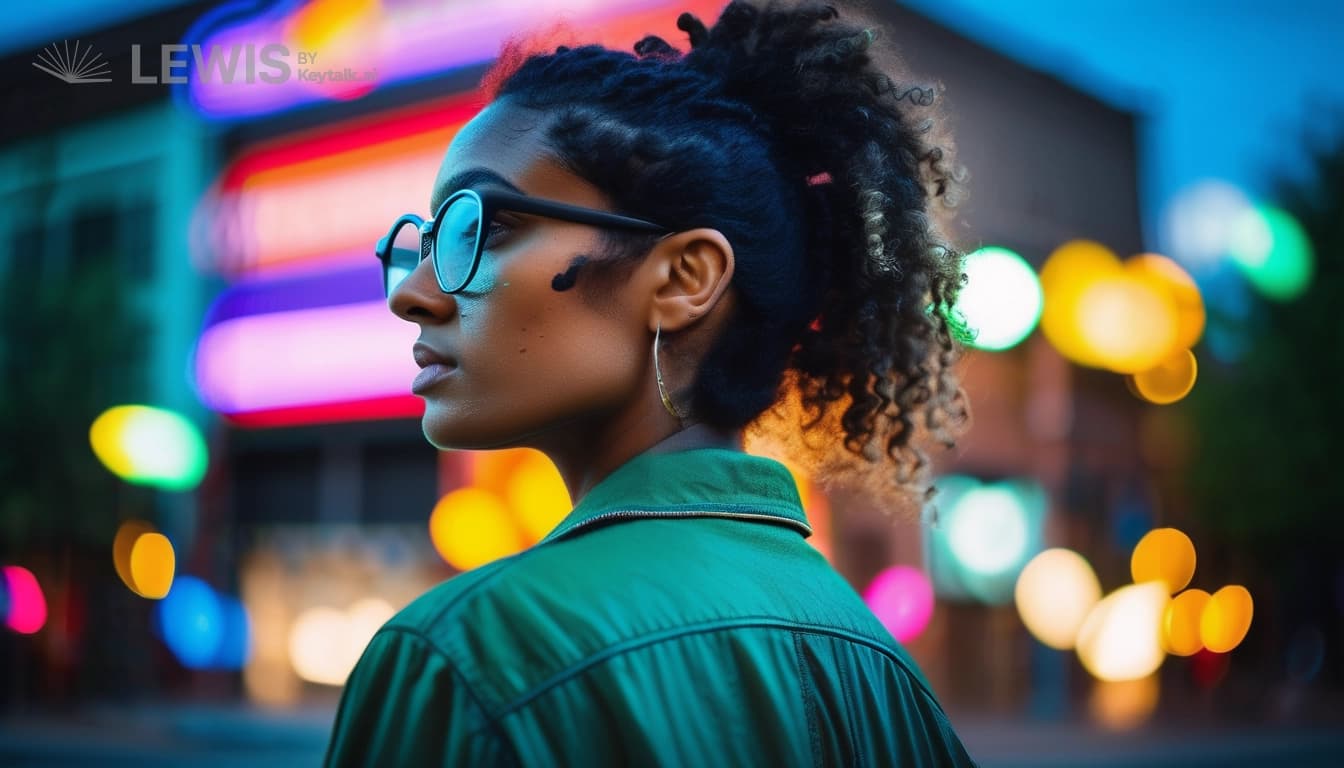
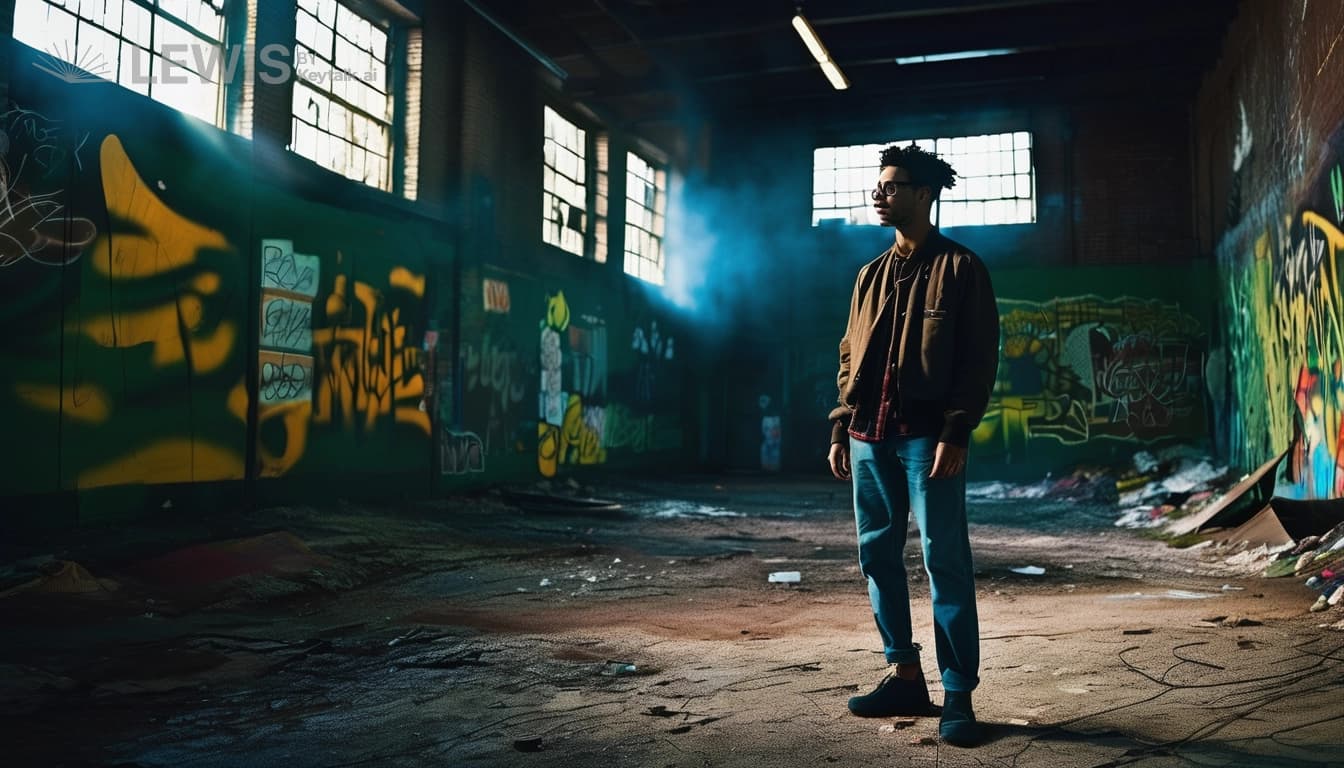
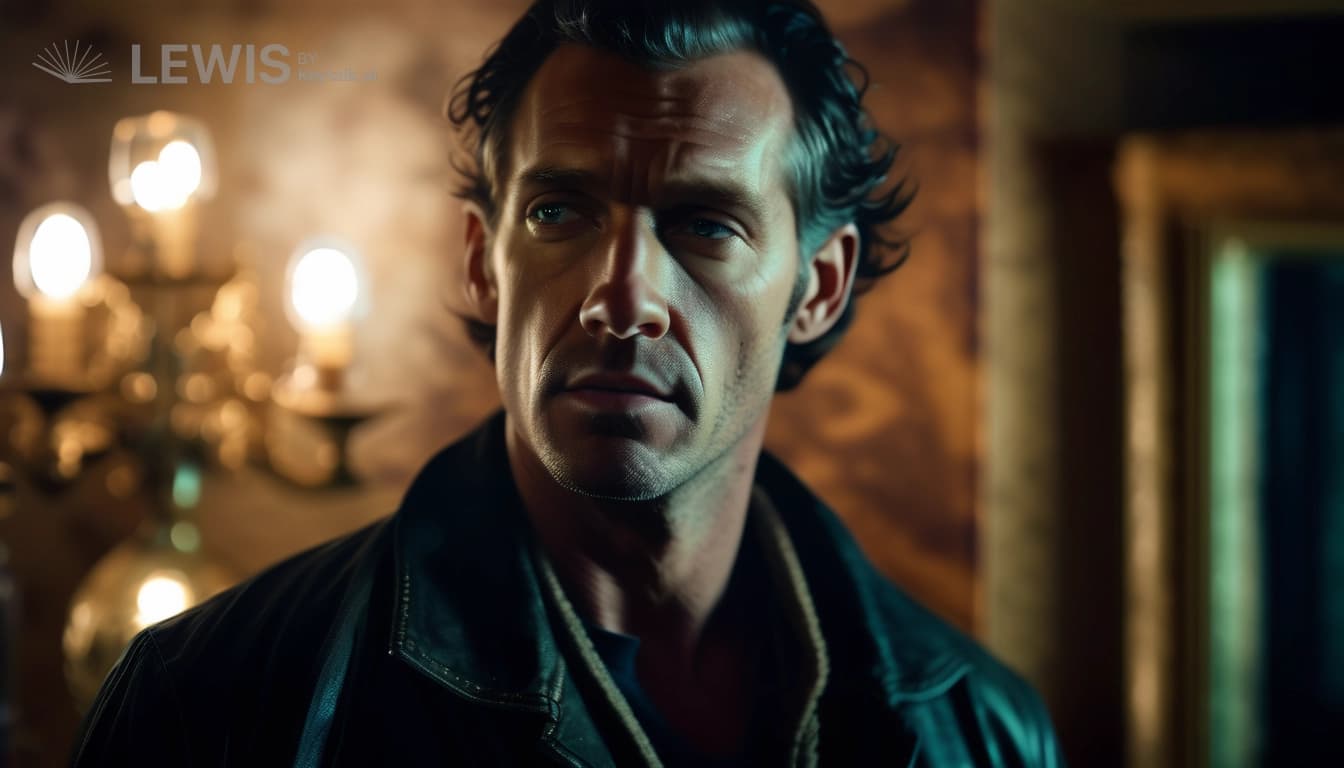
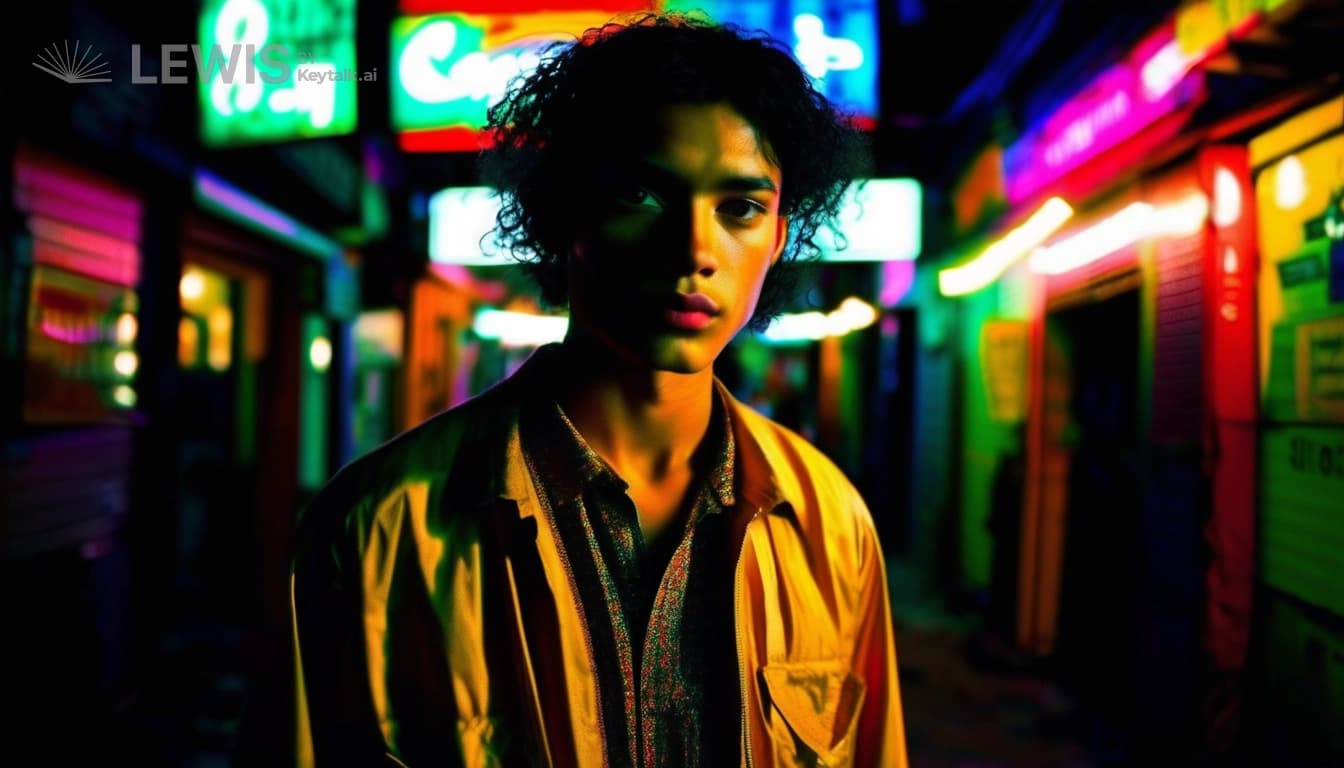
Riley Claybourne is a study in contradictions, their very existence a collision of two worlds that rarely even nod at each other across the city’s flickering neon arteries. Born to Vietnamese-American parents and raised in a cramped apartment above their mother’s bodega, eighteen-year-old Riley is whip-smart, fiercely organized, and perpetually teetering on the edge of burnout—a valedictorian whose resume is crammed with debate trophies, science fair medals, and just enough community service to appease the Ivy League gods. Riley stands at five-foot-six, with a wiry build that speaks of stress and skipped meals, sharp cheekbones framed by a shock of jet-black hair cropped short in a practical, androgynous style. Their eyes, dark and calculating, rarely blink during conversation, and their voice is clipped, precise, tinged with the faintest New York edge—a habit picked up from years of code-switching between home and school. Prone to nervous fidgeting, Riley habitually straightens their thrifted, button-down shirts and chews on the plastic ends of their glasses when lost in thought. Yet, fused within the same clay frame is the fortyish remnant of “Mr. Jingles,” a once-beloved children’s party magician whose career—and personal life—disintegrated spectacularly after a viral scandal. Taller and broader than Riley in his old body, Mr. Jingles’s presence lingers in a barrel chest, rubbery limbs, and a face that once wore perpetual exaggerated smiles, now haunted by faint crow’s feet and a nose that’s been broken twice. His hair, once candy-colored and wild, is now (in memory) thinning and streaked with gray, and he dresses in loud, garish suits—at least, when he had control. Boisterous and irrepressibly theatrical, he peppers speech with corny puns and grandiose flourishes, masking deep-seated regret beneath relentless optimism. Both parts of Riley Claybourne wrestle for dominance: one striving for order and recognition, the other for redemption and one last gasp of the spotlight. Their merged form is a living paradox—hyper-articulate yet prone to slapstick, strategic yet impulsive, alienated yet desperate for belonging. Each harbors aspirations the other finds absurd: Riley dreams of escaping the city’s chaos for academia, while Mr. Jingles aches to stage a comeback. Forced into an uneasy partnership, their combined quirks—Riley’s obsessive note-taking, Mr. Jingles’s sleight-of-hand tricks, and a shared tendency to talk to themselves (now out loud, to each other)—set them apart even in a city spinning out of control. Their journey, begun on the eve of martial law, is as much about reconciling ambition with joy as it is about surviving the city’s explosive summer, each step marked by awkward negotiations, surprising flashes of kinship, and the unpredictable flexibility of their new, absurdly malleable form.
Antagonist Character

Dr. Lucien Morrow

GenderMale
OccupationCity Security Commissioner / Experimental Animation Theorist

Profile

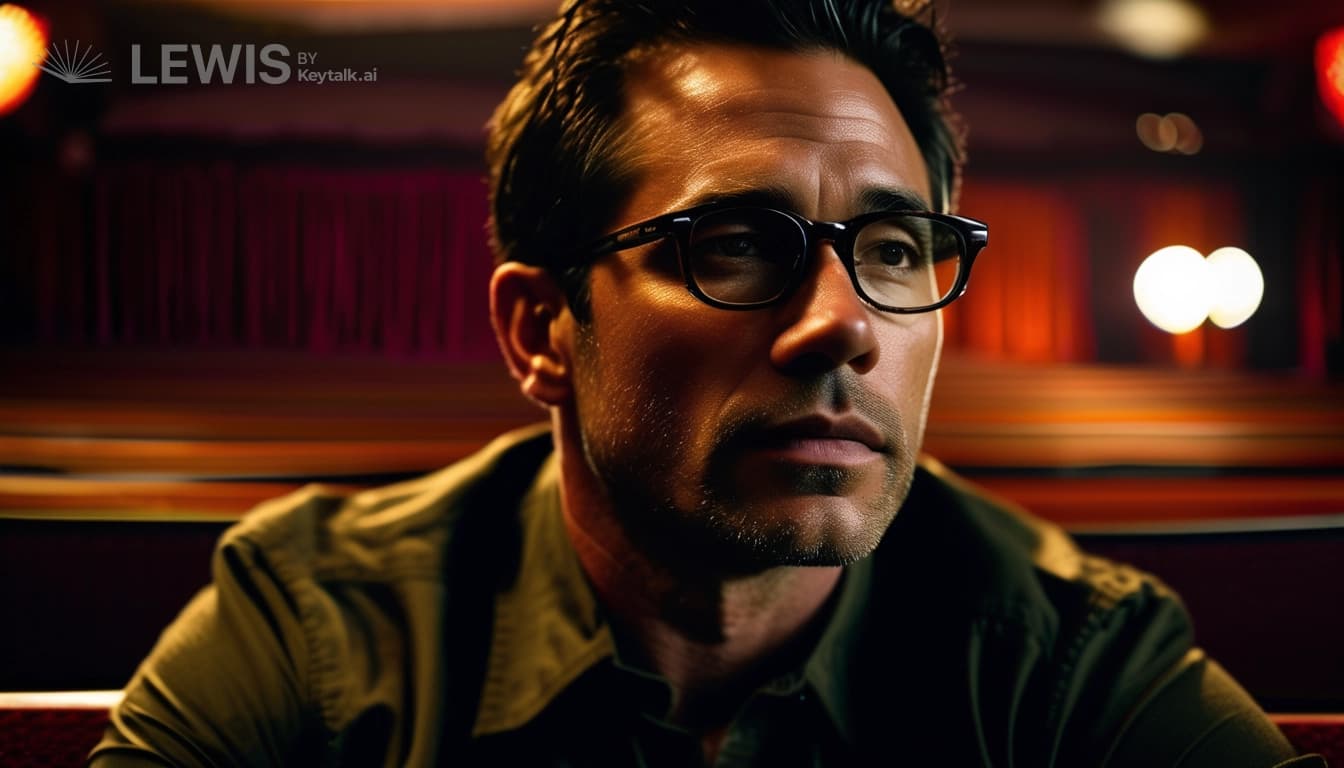
Dr. Lucien Morrow, a British-Nigerian man of striking composure and sharp intellect, stands at an imposing six-foot-two with a lean, tensile build that hints at a youth spent fencing and running track in Lagos before a scholarship brought him to London’s elite academic circles. His skin is deep umber, often complemented by impeccably tailored charcoal suits that seem out of place in the sweltering city heat but never betray a wrinkle. His salt-and-pepper hair—closely cropped at the sides, just long enough on top for a stubborn cowlick—frames a high forehead and hawkish, severe features: narrow dark eyes, aquiline nose, and a thin, expressive mouth that rarely betrays emotion. Lucien’s right hand bears faded burn scars, a memento from an experiment gone awry in his early days as a theorist—a detail he never explains, but that he absently traces with his thumb when deep in thought. Now serving as the city’s Security Commissioner, Lucien balances the bureaucratic grind with his obsessive research into the intersection of animation and consciousness, a field he pioneered but keeps largely secret from his political peers. His clipped, deliberate speech is tinged with the measured cadence of upper-class London, but slips into Yoruba aphorisms when agitated or amused; he speaks with a subtle authority that demands attention, never raising his voice but always commanding the room. Lucien is methodical, fiercely disciplined, and almost pathologically rational—traits that make him an effective leader under martial law but often blind him to the messy improvisations of human nature. He views the city as a living system to be optimized, not a community to be coddled, and his core motivation is to maintain order at any cost—even if that means bending ethical lines or experimenting on unwilling subjects in the name of progress. His relationships are transactional, though he harbors a distant affection for his estranged daughter, a graffiti artist who sees him as the embodiment of everything she resists. Lucien’s personal challenge is his inability to relinquish control: his greatest strength—unyielding resolve—may yet become his undoing as the city’s chaos exposes the limits of his calculated worldview. A lover of abstract jazz and obscure animation techniques, he habitually sketches geometric forms on whatever paper is at hand, seeking patterns in noise. His presence is both a comfort and a threat: the city trusts him to keep the peace, but few suspect just how far he’s willing to go—or how deeply he’s entangled in the city’s strangest anomalies, standing always at the intersection of order and the wild, unpredictable art of creation.
Sidekick Character

Zoya “Zoom” Sethi

GenderFemale
OccupationUnderground Graffiti Cartographer

Profile

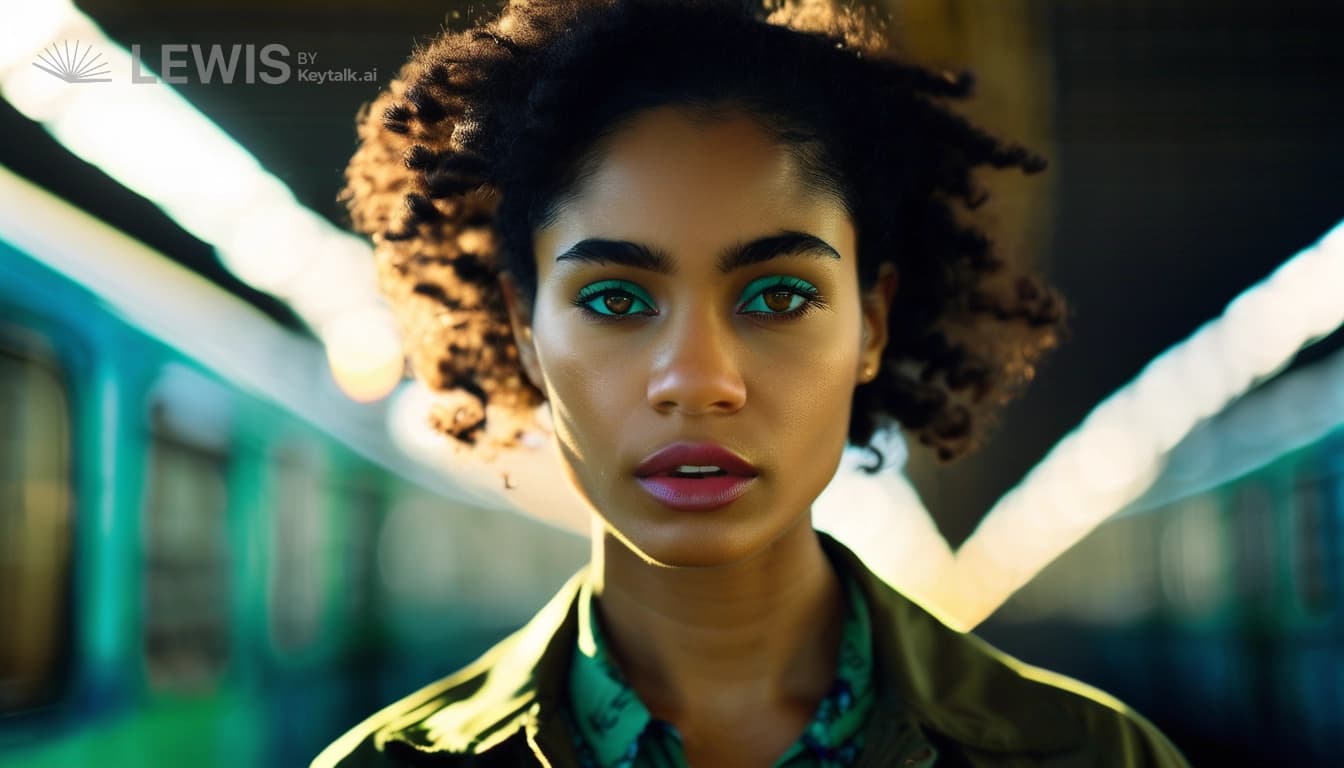
Zoya “Zoom” Sethi stands at a wiry 5’2”, her compact frame an artful patchwork of old skateboard bruises and neon paint smudges, with quick, calloused hands that seem always to be in motion. Born to Punjabi immigrants in a crumbling high-rise on the city’s edge, Zoya’s childhood was defined by tight quarters, louder laughter, and the relentless hum of distant sirens—a world she mapped obsessively in private sketchbooks before graduating to city walls. Now an infamous underground graffiti cartographer, she weaves secret paths through martial-law checkpoints, tagging cryptic directions for dissidents and wanderers alike, her signature—a jagged, looping “Z”—a minor legend in activist circles. Zoya’s face is fox-sharp, with a slanting nose broken twice, deep brown eyes perpetually rimmed in kohl, and short, choppy black hair streaked with fading turquoise, half hidden beneath a battered bomber jacket splattered with glow-in-the-dark pigment. Her speech is rapid-fire, peppered with Hinglish slang and unexpected, poetic turns of phrase; she refuses to slow her words, even when it means misunderstanding, as if language itself is a city to be outrun. Fiercely independent, she’s allergic to authority and allergic to standing still—a trait that both annoys and energizes those around her, especially the rule-bound Riley. Zoya’s core motivation isn’t rebellion for its own sake, but the thrill of subverting the city’s oppressive order and leaving behind a map that outlives her. She dreams of one day creating a living city atlas—a dynamic, ever-changing guide for the lost and overlooked. Her loyalty is hard-won and absolute, but she refuses to be anyone’s sidekick, pushing Riley to question their own rigid ambitions even as she relies on their strategic mind to evade Dr. Morrow’s surveillance. Zoya’s restlessness often borders on recklessness, but her unshakeable optimism and knack for finding hidden exits make her indispensable; she sees patterns in chaos and jokes in danger, carrying a battered sketchpad, a battered heart, and a stubborn hope that somewhere, beneath the riot and ruin, the city is still alive.
Model Used
GPT-4.1
text
Stable Diffusion
image

World

Location/Time, Era:
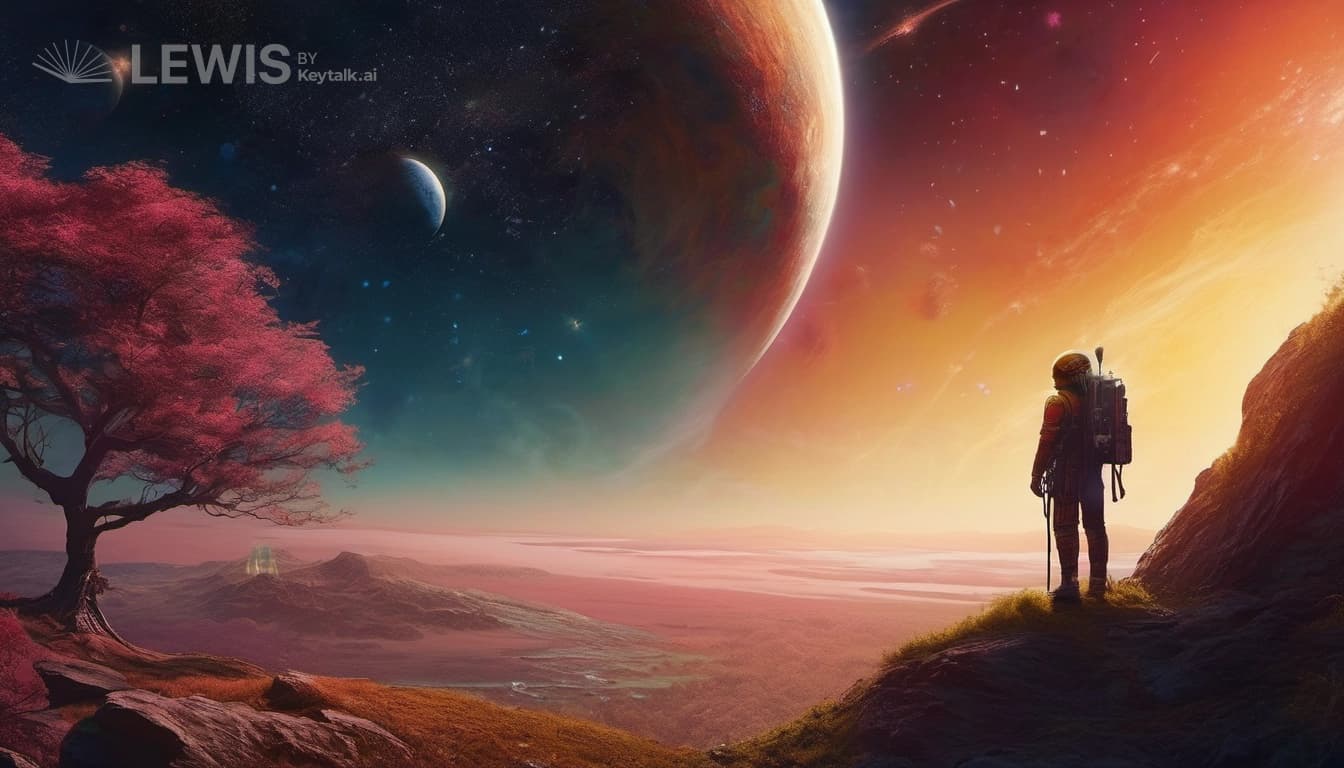
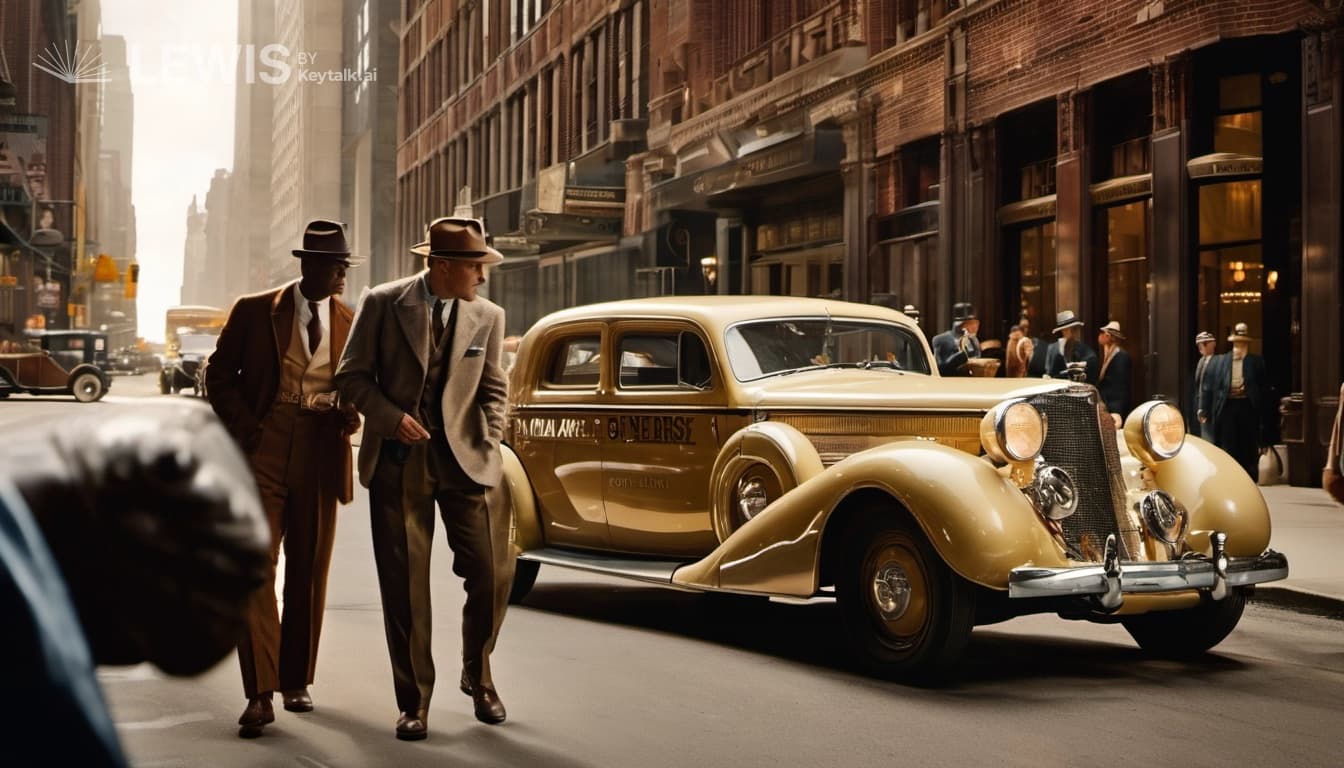
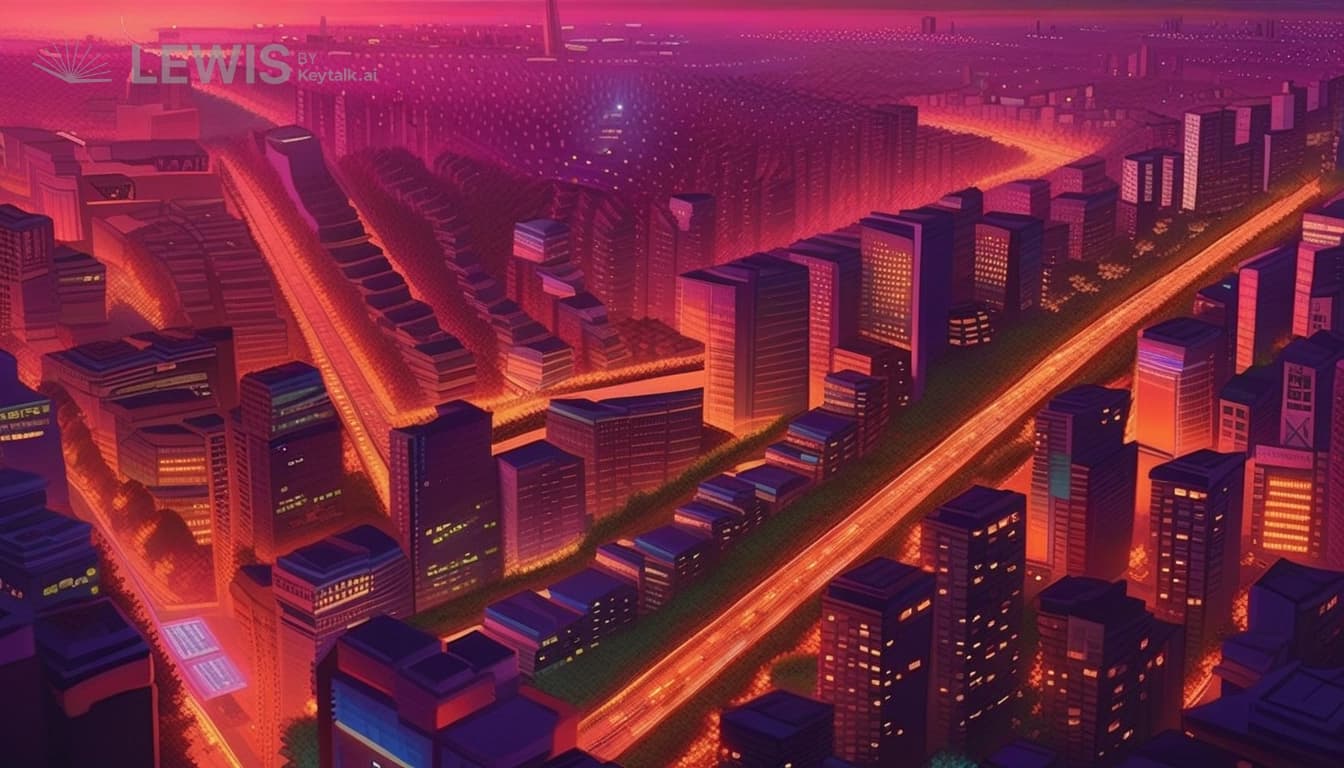
The city—dubbed Meridian by its earliest cartographers but called a dozen other names by its inhabitants—sits sprawled across a sweltering river delta, its skyline a jagged fever-dream of old-world art deco spires and neon-soaked high-rises. It is the high summer of the present decade, a time when days bleed into nights beneath a haze of humidity and static, and the boundaries between reality and fantasy have grown dangerously thin. Martial law has pressed itself onto every surface: curfews tick by beneath the drone of surveillance craft, and checkpoints flicker like strobe-lit wounds through the city’s arteries. Yet, even as order encroaches, the city pulses with riotous energy—a thousand secret rebellions mapped in graffiti, rooftop gardens growing wild above shuttered supermarkets, subway tunnels alive with illicit commerce. It’s a metropolis straining at the seams, every avenue a potential stage for revolt or redemption, every alley a liminal space where something uncanny might flicker into being.

Key rules of the world and their impact on the story and beyond:
The city’s greatest secret—and its most volatile threat—is animation fluid, an experimental substance developed in clandestine university labs and rumored to animate inanimate matter, infusing it with consciousness and impossible plasticity. Legally, its use is strictly proscribed: possession means instant arrest, and rumors swirl of dissidents vanishing into research facilities run by Dr. Lucien Morrow’s security task force. In practice, the city’s black market thrives—artists and outcasts barter for drops of animation fluid, using it to create living murals, animate street performances, or, as fate would have it, unwittingly fuse two souls into a single clay body. The fluid’s unpredictable effects create a constant undertow of tension: every misstep could result in miraculous transformation or catastrophic loss of self, and rumors of “animation accidents” haunt every neighborhood. These shifting rules force characters to navigate a city where identity, legality, and even the laws of physics are up for grabs—where every act of rebellion or self-expression might trigger a new, irreversible metamorphosis.

Visual depiction of the world and its unique features:
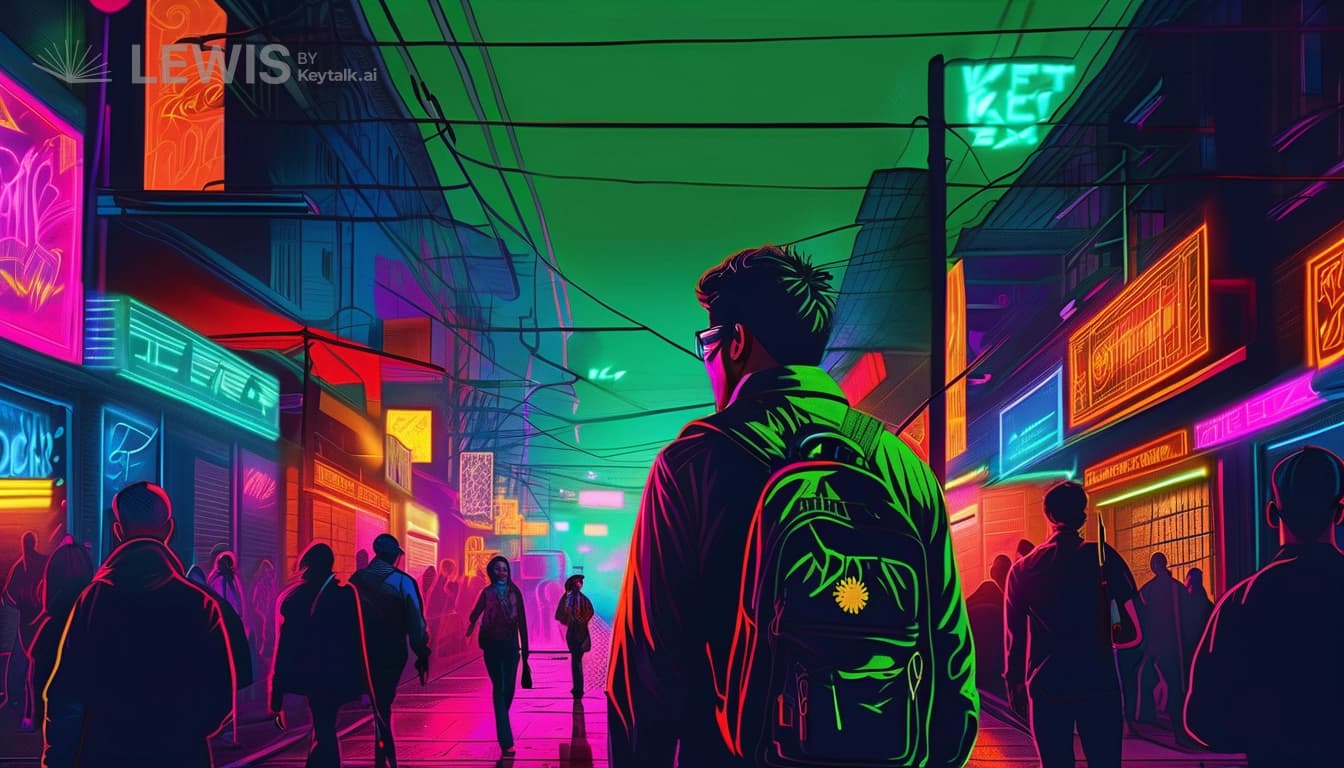
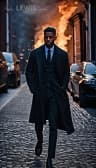
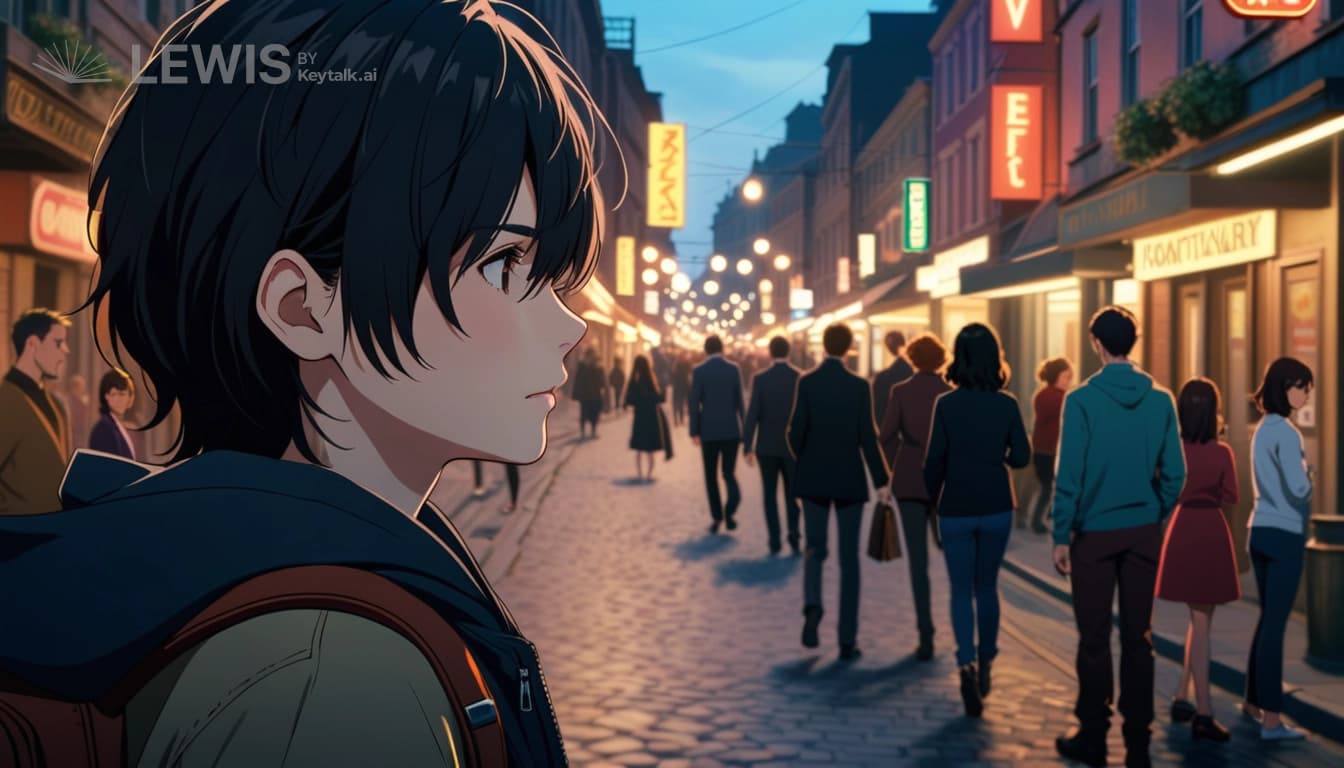
Meridian is a city of impossible contrasts—towering digital billboards cast candy-colored light onto cracked sidewalks, while armored drones float above street vendors hawking forbidden zines and homemade dumplings. Police barricades, crusted with old campaign stickers and fresh protest graffiti, slice through avenues lined with flickering lanterns and climbing bougainvillea. At night, the skyline is punctuated by bursts of illegal fireworks, their smoke mingling with the phosphorescent glow of animated murals: tigers that prowl brick walls, jazz musicians who play silent saxophones above closed jazz clubs, maps that shift and reroute themselves in response to whispered passwords. Rooftop gardens, built from scavenged planters and jury-rigged irrigation, bloom defiantly above the neon chaos below, offering brief sanctuary and vantage points for dissenters. Beneath the city, a labyrinth of subway tunnels and maintenance shafts becomes a second, shifting world: a place for fugitives, smugglers, and the city’s most creative outcasts.

Notable technology, philosophy, or cultural elements influencing the world and narrative:
At the heart of Meridian’s culture is the philosophy of creative insurgency—the belief that art, magic, and subversion are tools for both survival and transformation. Animation technology, born from the city’s obsession with blurring the line between creator and creation, shapes not just entertainment but the very fabric of rebellion and policing. Dr. Morrow’s regime leverages surveillance and control, employing AI-driven drones, behavioral prediction algorithms, and experimental consciousness-mapping to keep the city in check, yet these same tools are hacked and subverted by artists like Zoya, whose living graffiti is both protest and lifeline. The city’s youth idolize outlaws and folk heroes who bend the rules of reality; every wall, alley, and rooftop is inscribed with competing visions of what the city could become. In this world, the tension between order and chaos, permanence and transformation, is both personal and political—forcing every character to choose: Will they become what the city wants, or redraw themselves anew, no matter the cost?
representative image
location 1 image

Location 1

Title: The Gossamer Vaults of Old Meridian
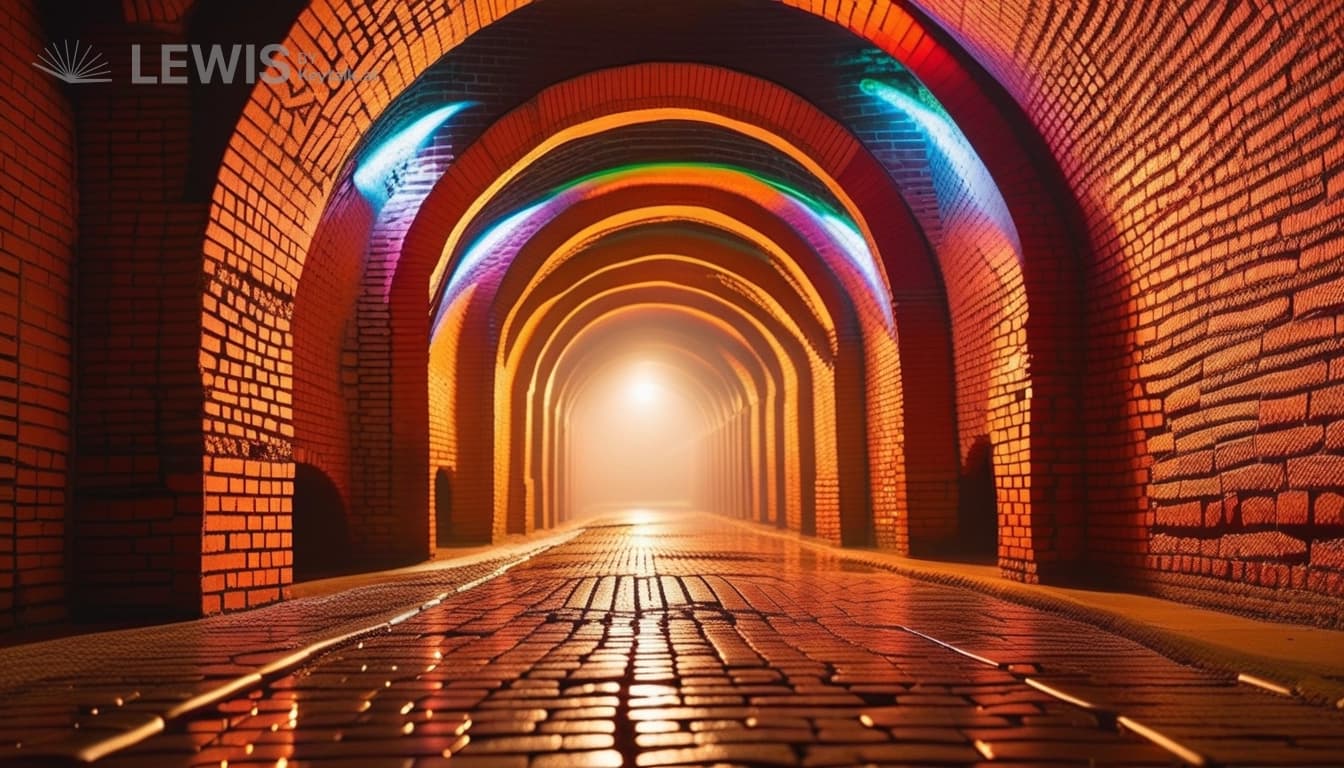
Description: Beneath the city’s trembling skin, the Gossamer Vaults sprawl like the ribcage of a forgotten leviathan—arched brick tunnels lacquered with iridescent condensation, their ceilings webbed with old fiber-optic cables and protest banners half-melted by time. Here, the air tastes of ozone and old citrus, echoing with the clatter of dissent and the low thrum of Zoya’s encrypted radios, as dissidents slip between flickering pools of graffiti light and shadow, mapping new routes in chalk and phosphorescent paint. It’s a place where Riley-Jingles first learns the uneasy art of moving unseen, limbs pressed flat against walls that still remember the city’s buried revolutions.
location 2 image

Location 2

Title: The Neon Confluence Food Arcade
Description:
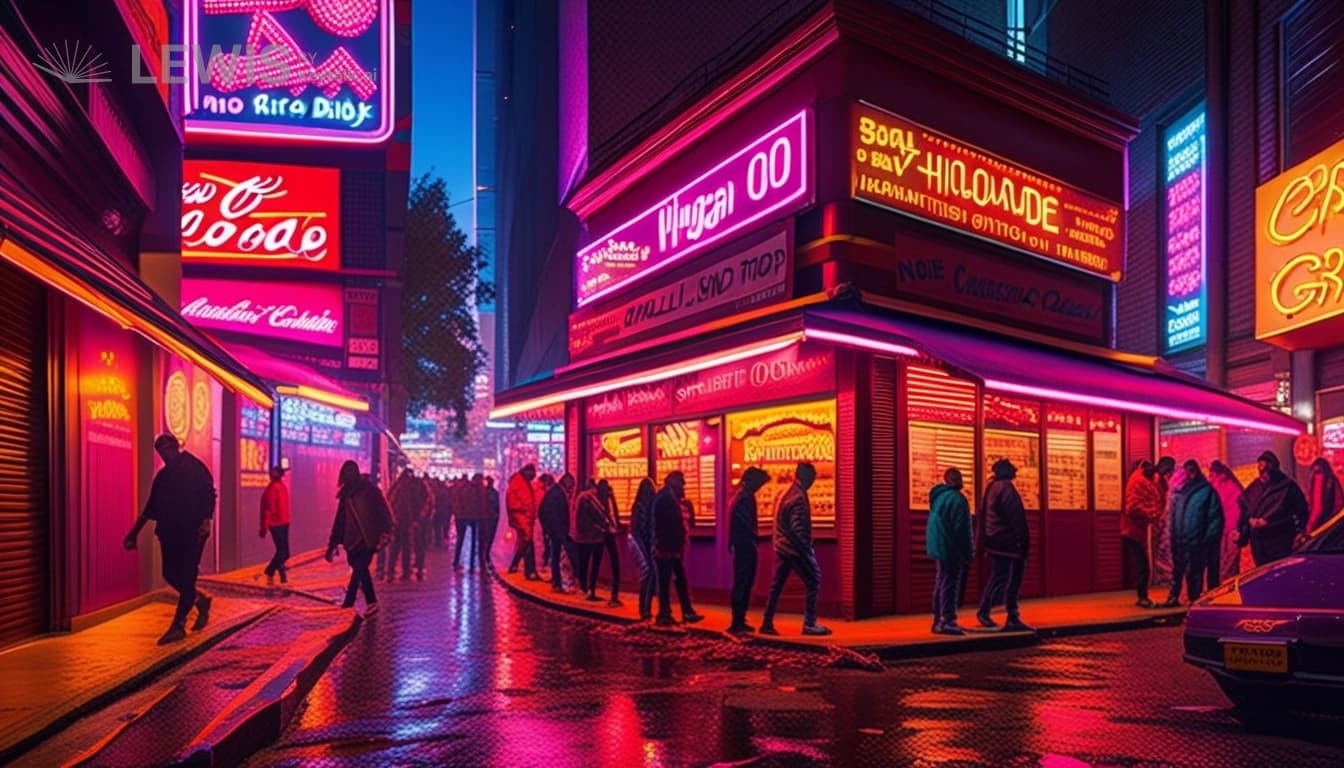
Slick with spilled chili oil and the tang of ozone, the Neon Confluence Food Arcade pulses beneath a lattice of colored bulbs and security drones, its mosaic of stalls hawking steaming bao, pixelated ramen, and illegal knockoff sodas from behind riot-proof glass. Here, fugitives and foodies alike jostle shoulder to shoulder, laughter and rumor ricocheting off graffiti-tagged steel shutters as holographic menus flicker with subversive codes. The air crackles with the anxious thrill of defiance—this is where Riley-Jingles, cornered and desperate, first discover their shapeshifting power can turn a street vendor’s fortune cookie into a dazzling misdirection, vanishing into the city’s hungry heart.
location 3 image

Location 3

Title: The Oracle’s Greenhouse on the Flooded Ninth
Description: Suspended above a drowned city block, the greenhouse is a dripping glass cathedral tangled with phosphorescent vines and mutant lilies, their roots curling through shattered tiles into brackish water below. Emergency lamps cast wavering green halos as the humid air thrums with insect wings and whispered rumors, while half-submerged benches display relics from forgotten protests—rain-warped placards, gas masks, wilted bouquets. Here, fugitives breathe in loamy, electric air and bargain for futures among botanicals that bloom only under threat, the Oracle’s shadow flickering between fronds as she trades visions for secrets, her eyes reflecting both the riot outside and the possibility of impossible escape.
Model Used
GPT-4.1
text
Stable Diffusion
image

Scenes

scene 1 image
Scene 1
The Rooftop Pact: Fireworks, Graffiti, and an Impossible Collision
[Place] - The rooftop of a crumbling art supply warehouse, overlooking the flickering skyline of the city, just beyond the reach of drone floodlights
[Time] - Midnight, on the first night of the new summer curfew

[Action]
Riley arrives on the rooftop, reluctantly lured by Zoya’s cryptic text and the promise of one last night of freedom before adult responsibilities clamp down. The air is heavy with ozone, sweat, and the faint tang of spray paint. Zoya is already there, masked and electric, orchestrating a ragtag crew of protestors—each with their own reasons for being here, each painting their defiance onto the city’s skin. Riley’s nerves are frayed; they’re anxious to keep their head down, but Zoya’s fire is infectious, pulling them into the art and chaos. As the protest swells, Riley spots a strange figure—Mr. Jingles, unrecognizable in his battered magician’s getup, setting up an elaborate, wobbly pyrotechnics rig near the rooftop’s edge. Zoya teases Riley, urging them to loosen up and make a mark of their own, while Riley vacillates between guilt, thrill, and the need to disappear.

The rooftop pulses with anticipation: graffiti blooms under neon, and the city below bristles with police lights. Zoya rallies the crowd, launching fireworks skyward just as Riley, caught between helping Zoya and fleeing, stumbles into Mr. Jingles’s path. At the exact moment Riley tags their first piece—hesitant, yet defiant—Mr. Jingles’s desperate firework misfires, arcing wildly. A shockwave of color and liquid light erupts, dousing both Riley and Mr. Jingles in a glowing, animated fluid. For an instant, time fractures: protestors scatter, Zoya screams Riley’s name, and Riley’s vision warps—bodies, voices, memories colliding in a kaleidoscope of panic and wonder.

[Impact on the story]
This scene ignites the novel’s central transformation—physically fusing Riley and Mr. Jingles while also kickstarting their emotional entanglement. Riley’s fear of losing control and Mr. Jingles’s hunger for attention are set on a crash course, with Zoya’s loyalty and mischief tying them to the city’s wider unrest. The accident forges a pact between the characters, both literal and symbolic, binding their fates to the city’s turmoil and each other’s unresolved desires.

[Description]
Riley, Zoya, and Mr. Jingles converge on a rooftop protest, each driven by their own longing and fear. A botched firework, supercharged by experimental fluid, triggers a surreal, body-melding accident between Riley and Mr. Jingles—an event witnessed by the city’s restless eyes. The scene crackles with rebellion, uncertainty, and the first glimmer of impossible transformation.
scene 2 image
Scene 2
[Title] - Split Reflections in a City of Curfews: Learning to Walk with Two Minds
[Place] - The shadowy back stairwell and deserted hallways of the art supply warehouse, just below the chaos of the rooftop
[Time] - Minutes after the rooftop explosion, early hours of curfew-tethered morning

[Action]
Riley and Mr. Jingles, newly fused into a single, elastic body, lurch through the warehouse’s echoing corridors, trailed by the fading shrieks and sirens above. The world is spinning—literally, as their shared form struggles to coordinate movement, rubber-limbed and unpredictable. Panic and confusion alternate with flashes of cartoon logic: one moment they’re rigid and angular, Riley’s voice hissing for control; the next, they’re careening slapstick-style, Jingles’s laughter bubbling up in involuntary whoops. Every attempt to walk is a battle—bodies jerk, arms elongate, faces morph in and out of focus, with each personality warring for dominance.

Zoya bursts onto the scene, breathless and wild-eyed, her relief at finding Riley quickly shifting to disbelief and fascination at their new, contorted state. She tests their limits—poking, prodding, teasing out both Riley’s rational panic and Jingles’s manic showmanship—forcing them to attempt feats neither could manage alone. Meanwhile, outside, the city’s first rumors of a “viral monster” begin to take root. Drones sweep the alleys, and a glimpse of a news feed on someone’s abandoned phone reveals their grotesque, animated likeness already circulating online. The trio must hide, but every movement risks exposure: Riley wants to disappear, Jingles wants to perform, and Zoya wants to document everything.

As they squabble, the new body’s powers—stretching, squishing, blending between realism and cartoon—manifest in fits and starts, usually at the worst possible moments. Zoya, delighted by the chaos, pushes them to practice, but Riley’s anxiety and Jingles’s impulsiveness keep sabotaging each other. The scene ends with them barely escaping detection by a passing drone, forced to press themselves—half-solid, half-scribbled—flat against a mural Zoya tags in haste, vanishing into the city’s painted shadows.

[Impact on the story]
This scene deepens the immediate stakes and emotional complexity of the transformation. Riley and Mr. Jingles are forced into raw, immediate negotiation, their internal battles now physical and visible. Zoya’s presence complicates things—her delight in their strangeness both grounds and destabilizes them, drawing out each character’s core fears and desires. Their viral “birth” as a citywide curiosity sets the fugitives’ arc in motion and introduces the concept of their body as both curse and tool.

[Description]
Struggling to control their fused, rubbery form, Riley and Mr. Jingles battle for dominance while Zoya pushes them to embrace their new powers. Their awkward escape from the warehouse, broadcast to the city in real time, marks the start of their life on the run—and the first glimpse of how cooperation might be their only hope for survival.
scene 3 image
Scene 3
[Title] - Viral Monsters and Neon Saints: The Night the City Noticed
[Place] - Crumbling tenement rooftop and labyrinthine alleyways below, surrounded by flickering neon and the drone-haunted cityscape
[Time] - Same night, just after their escape from the warehouse, as curfew tightens and digital rumors catch fire

[Action]
The scene opens with Riley-Jingles—still raw from their chaotic fusion—crouched among rusted HVAC units and broken lawn chairs on a rooftop that overlooks the fractured city. Zoya, ever the orchestrator, tunes into the pulse of the city’s underground feeds, showing them how their grotesque, animated visage is already everywhere: viral on news clips, mocked in meme chains, and whispered about in encrypted group chats. The trio watches in real time as their “monster” status is spun and respun—some calling them a symbol of rebellion, others a threat, but all hungry for more spectacle.

Riley is horrified, desperate to erase their existence before it cements into legend, but Mr. Jingles is electrified by the attention, seeing a chance to finally matter again. Zoya, meanwhile, is reveling in the chaos, her fingers dancing over her phone as she seeds new rumors and organizes allies. The tension between wanting to hide and wanting to perform erupts: Riley tries to strategize a low-profile escape, but Jingles impulsively waves at a passing drone, triggering a wild chase through the alleyways below.

During the chase, Riley-Jingles’s powers flare unpredictably—arms whip into street signs, faces flicker between stoic and slapstick, footsteps morph from careful stalking to rubbery bounds. Zoya becomes their guide, using her graffiti tags as safehouses and secret signposts, leading them through a hidden network of sympathetic shopkeepers and dissident artists. As they duck through a neon-lit arcade, Riley and Jingles are forced to cooperate for the first time, blending logic and improvisation to evade a squad of drone patrols. The scene climaxes in a back-alley sanctuary—a hidden speakeasy for artists—where Zoya negotiates their first real refuge, but not before their presence is livestreamed by a group of rebel teens, amplifying their legend even further.

[Impact on the story]
This scene cements Riley-Jingles’s status as both fugitive and folk hero, escalating their public visibility and making anonymity impossible. Riley’s horror at fame and Jingles’s hunger for it clash openly, setting the stakes for their internal struggle. Zoya’s role as both protector and provocateur deepens, drawing the trio into a citywide web of resistance. The chase sequence forces Riley and Jingles to collaborate, hinting at the power they might wield—together—while the viral spread of their image removes any hope of simple escape.

[Description]
As their monstrous new form becomes an overnight sensation, Riley-Jingles must navigate the city’s alleys and their own conflicting desires. With Zoya’s help, they evade capture and glimpse the beginnings of an underground support network, all while the myth of the “viral monster” grows beyond their control.
scene 4 image
Scene 4
[Title] - The Map Beneath the Asphalt: Zoya’s Underground and the Art of Disappearing
[Place] - A labyrinthine network of subterranean tunnels—abandoned subway lines, graffiti-splattered service corridors, and forgotten utility chambers—threading beneath the city’s riot-lit streets
[Time] - The early hours before dawn, immediately following their escape from the speakeasy and viral exposure

[Action]
The scene begins as Zoya leads Riley-Jingles down a battered staircase into a forgotten maintenance hatch, plunging them into the pulsing dark of the city’s underbelly. The air is thick with the metallic tang of rust and ozone, echoing with distant rumblings of subway ghosts and the muffled thrum of drone patrols overhead. Zoya is in her element, animated by adrenaline and conviction, revealing a sprawling network of secret passages marked with her fluorescent symbols—her personal map of resistance. She introduces Riley-Jingles to the city’s underground: a shifting coalition of artists, hackers, and outcasts who have turned these tunnels into a sanctuary from martial law and surveillance.

As Riley-Jingles navigates the cramped corridors, their internal struggle intensifies. Riley is desperate for structure and escape, obsessing over news updates and escape plans, while Mr. Jingles is exhilarated by the theatricality of their flight, craving applause even in the shadows. Zoya pushes them to test the limits of their new form, orchestrating a series of small heists—stealing supplies from government caches, swapping out surveillance feeds, and staging acts of mischief that blur the line between protest and spectacle. Each task demands a different balance between Riley’s logic and Jingles’s flair; both must cede ground to the other or fail.

As they move deeper underground, Zoya’s leadership is both inspiring and unnerving—her drive to redraw the city’s borders becomes personal, hinting at a backstory of betrayal and lost family. The trio’s bond tightens but is tested: Riley’s anxiety about exposure clashes with Zoya’s escalating risks, while Jingles needles Zoya about her need for control. The outside world grows more dangerous—Morrow’s crackdown intensifies, and rumors swirl that the Commissioner has begun hunting the city’s dissidents personally.

The scene reaches its peak when Riley-Jingles and Zoya must outwit a squad of mercenary enforcers who have traced them to the tunnels. Riley devises an airtight escape route using Zoya’s map, but it’s Jingles’s cartoonish improvisation—morphing their body into impossible decoys, laying slapstick traps—that buys them the split second needed to vanish. In the aftermath, Zoya unveils a massive mural-in-progress: a living map of the city’s resistance, with space left blank for Riley-Jingles—a spot reserved for someone willing to accept their own strangeness as a symbol, not just a burden.

[Impact on the story]
This scene forges Riley-Jingles, Zoya, and the underground into a true alliance, solidifying the trio’s interdependence. Riley and Jingles begin to see the potential power in their cooperation, while Zoya’s dreams of transformation shift from abstract rebellion to personal stakes. The danger from Morrow escalates, and the city’s resistance starts to crystallize around Riley-Jingles’s legend. Emotionally, the characters are forced to confront what they mean to each other and what they’re willing to risk for the city and themselves.

[Description]
Beneath the riotous city, Zoya leads Riley-Jingles through a maze of hidden tunnels and rebel enclaves, forging their trio into a fragile but vital alliance. As they pull off daring acts of subversion and narrowly evade capture, each character’s motivations clash and intertwine, setting the stage for a citywide uprising—and demanding that Riley-Jingles choose whether to hide or become a symbol.
scene 5 image
Scene 5
[Title] - Bargains in the Broken Theater: Morrow’s Offer and the Choice to Perform
[Place] - The derelict Majestic Theater, once a palace of vaudeville and cinema, now a decaying shell looming over a deserted intersection in the city’s blackout zone
[Time] - Nightfall, hours after their escape through the underground tunnels; the city above is tense, curfew sirens echoing, the air charged with anticipation and dread

[Action]
Riley-Jingles and Zoya slip into the Majestic Theater, its art deco grandeur faded to ghostly splendor—flickering neon script, velvet seats torn and moth-eaten, the stage choked with dust and forgotten props. Zoya scans the perimeter, nervous but determined, while Riley-Jingles’s body flickers between anxious rigidity and elastic anticipation. As they regroup, the trio debates their next move: Zoya argues for a bold stand, Riley wants to lay low, and Jingles is tempted by the possibility of performing on a real stage again, even under threat.

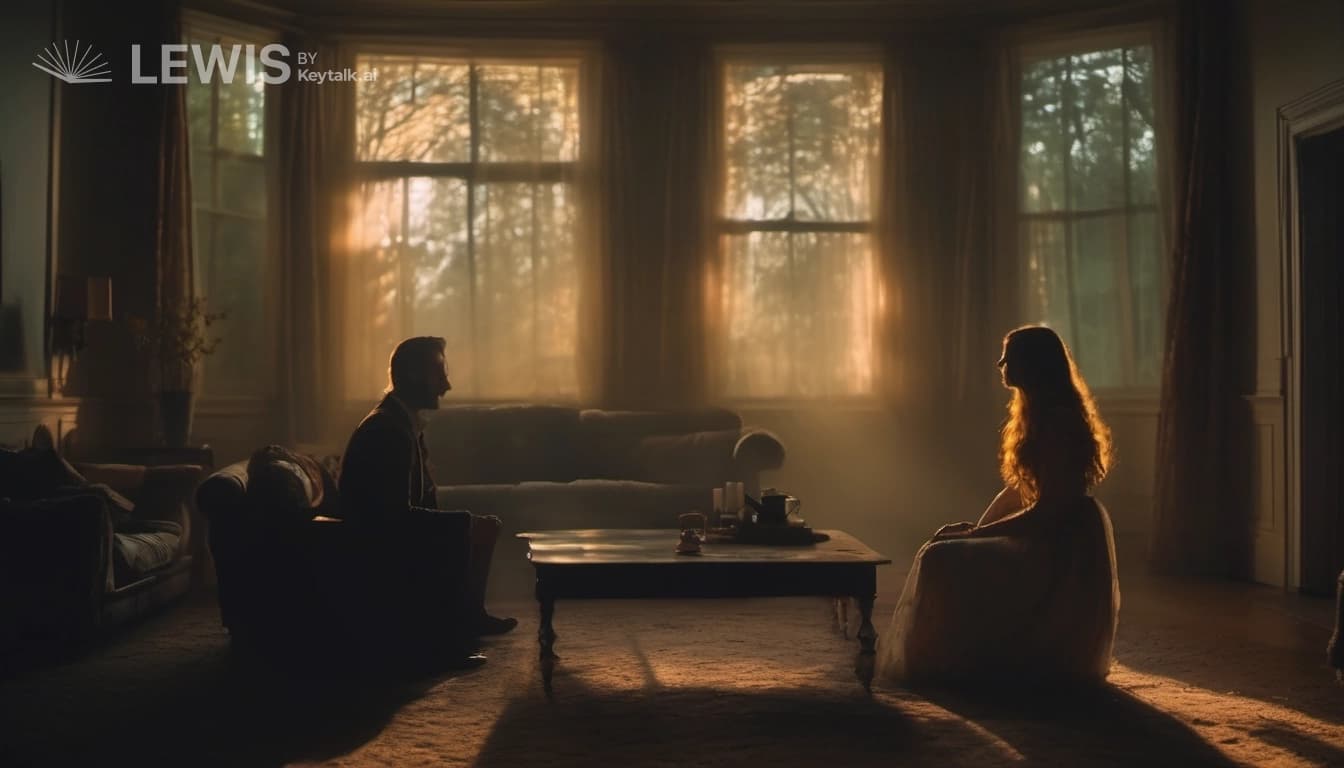
Suddenly, the theater’s doors are thrown open by Morrow’s private security—masked, efficient, armed with tech that crackles with animation-fluid potential. Morrow himself appears, clinical and composed, wielding both carrot and stick. He offers Riley-Jingles and Zoya a chilling ultimatum: surrender for “study and protection” or be branded public enemies, hunted relentlessly. Morrow appeals to Riley’s fear of losing their future, promising safety and a return to “normalcy,” while dangling before Jingles the twisted lure of a captive audience and scientific immortality. His words prod at their deepest insecurities and desires, forcing both halves of Riley-Jingles to reckon with what they truly want.

Zoya refuses to be cowed, verbally sparring with Morrow, but beneath her bravado she’s rattled—her faith in the city’s resistance is untested at this scale. Riley and Jingles’s internal struggle reaches a breaking point: each tries to seize control of the body, resulting in a physical and psychological tug-of-war that threatens to tear them apart. The tension peaks as Zoya, desperate to tip the balance, reveals her secret weapon—a mural she’s rigged in the theater’s bowels, connected to the city’s power grid and coded with instructions for the underground. She triggers the blackout, plunging the theater and city into darkness and chaos just as Morrow’s forces close in.

In the confusion, Riley and Jingles are forced to cooperate fully for the first time. They improvise an audacious escape plan: a hybrid between a stage illusion and a tactical heist, using their morphing abilities to transform props, misdirect the security forces, and broadcast their performance live through Zoya’s rebel network. The act is both a literal and figurative merging of their talents, reframing their fusion from curse to spectacle—turning their vulnerability into legend even as they flee into the burning night.

[Impact on the story]
This scene is the crucible for Riley-Jingles’s identity: they are pushed to finally collaborate rather than compete, discovering that their power lies in embracing the contradiction within themselves. Zoya’s mural blackout catalyzes the city’s resistance, and Morrow’s obsession becomes personal, raising the stakes for both pursuit and rebellion. The theater confrontation marks a shift from survival to open defiance, transforming the trio into icons rather than fugitives, and forcing each to confront the cost of becoming a symbol.

[Description]
In the ruins of a grand old theater, Riley-Jingles and Zoya face Morrow’s ultimatum—safety in surrender, or freedom in rebellion. As the city plunges into darkness, the trio’s desperate, dazzling escape fuses their talents into a new legend, igniting the uprising and sealing their fate as the city’s strangest, most celebrated symbols.
scene 6 image
Scene 6
[Title] - Summer’s Last Trick: Blackout Uprising and the Birth of the Claybound Legend
[Place] - The city’s streets and rooftops, swirling with blackout chaos, then a hidden safehouse above a graffiti-choked alley
[Time] - The deep hours before dawn, immediately following the Majestic Theater escape, as the blackout fractures the city’s order

[Action]
The scene opens with Riley-Jingles and Zoya bursting out of the theater’s stage door into a city transformed: the blackout Zoya triggered has plunged the metropolis into a feverish, electrified darkness. Sirens warble in the distance, drones sputter and crash, and pockets of resistance—summoned by Zoya’s encoded mural—erupt across the skyline. Riley-Jingles’s body flickers between cartoon elasticity and tense realism as they race through shadowed alleys, ducking under barricades and dodging Morrow’s scattered forces, who are disoriented by the sudden collapse of surveillance and power.

Zoya leads the way, her graffiti map coming alive under flashes of rebel signal flares, guiding them through a maze only she understands. Along the route, scattered citizens recognize Riley-Jingles and begin to cheer, emboldened by their televised escape—some even join the flight, turning it into a spontaneous parade of masked rebels and accidental heroes. The city’s tension is palpable, every street thrumming with the possibility of violence or celebration.

As they reach the relative safety of a hidden loft, the trio is forced to confront what they’ve become. Riley and Jingles, still fused, experience a rare moment of stillness: the exhaustion of the chase gives way to a vulnerable, honest reckoning. They reflect—sometimes aloud, sometimes internally—on what they’ve lost and gained, each admitting to fears about the future, the weight of being a symbol, and the uncertainty of ever separating again. Zoya, battered but exhilarated, argues that the city’s myth has already changed; their fusion is no longer a curse but a rallying point for a new, more chaotic freedom.

Meanwhile, news trickles in: Morrow’s grip is slipping, his forces overwhelmed by the blackout and the uprising it unleashed. In the background, rebel networks broadcast footage of Riley-Jingles’s escape over and over, transforming them from fugitives into the face of the city’s rebellion. The trio must decide what comes next—whether to hide, negotiate, or step fully into their new role as living legends.

[Impact on the story]
This scene cements Riley-Jingles and Zoya as icons of the city’s uprising, no longer defined by fear or self-preservation but by the choice to embody change. Riley and Jingles’s internal truce marks real character growth, forging a partnership rather than a battleground. Zoya’s leadership and vision crystallize, hinting at her future influence. The city itself is forever altered; the myth of the Claybound becomes a catalyst for the end of martial law and the crumbling of Morrow’s regime.

[Description]
In the blackout’s aftermath, Riley-Jingles, Zoya, and a city on the edge remake each other. Fleeing through chaos and celebration, they embrace their new legend—choosing not just survival, but transformation—while the city rises behind them, ready to redraw its own borders.
'Two Minds, One Cartoon Body'Story Chat

Want to chat with the characters from this story?

'Two Minds, One Cartoon Body'Story Chat

Want to chat with the characters from this story?

story image
story image
story image

You might also like

Comments0

theme music