World
1. Where/When:
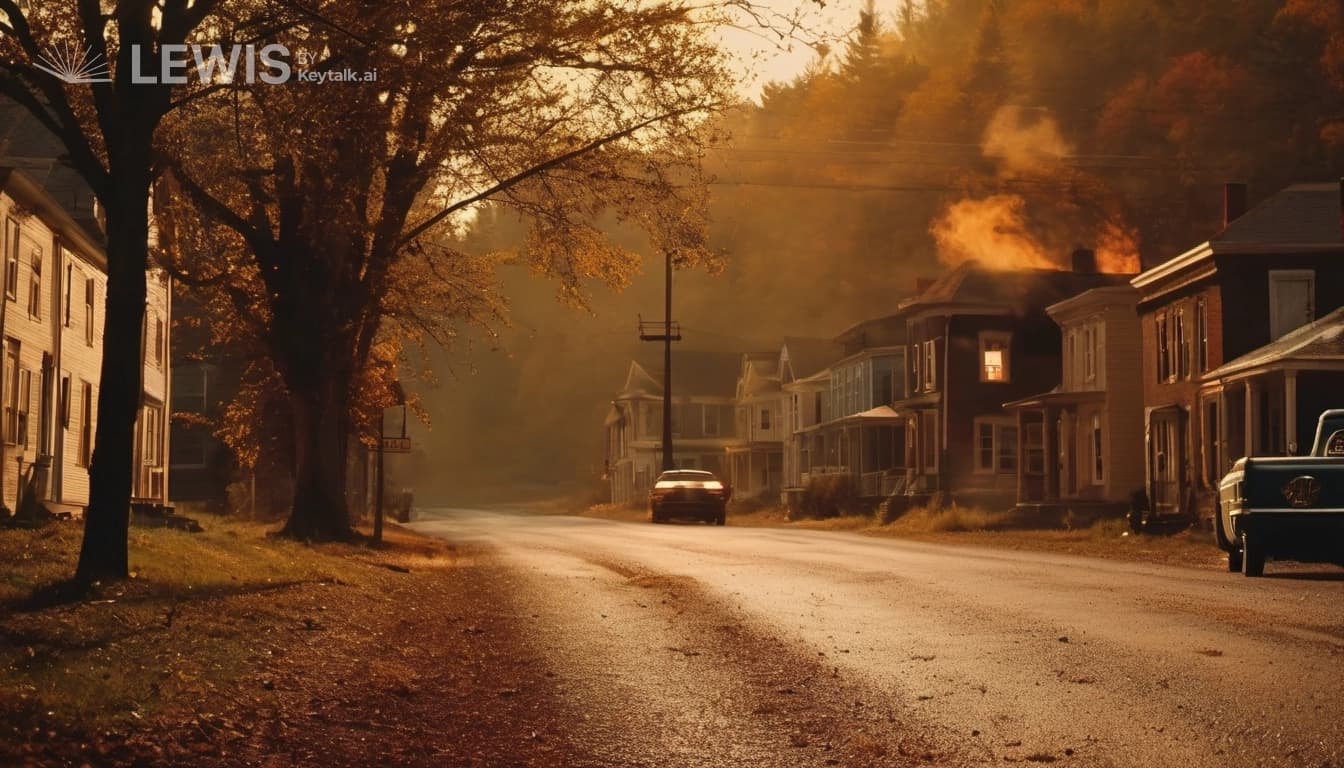
The story is set in **Hollow’s End**, an isolated, perpetually mist-shrouded town nestled in a forgotten corner of the Pacific Northwest. The town is timeless in its aesthetic, blending the eerie charm of the Victorian era with modern sensibilities, yet it feels as though it exists outside the linear flow of time. The year is contemporaneous—smartphones and laptops coexist with ancient shrines, dusty libraries, and crumbling mansions—but the town itself is a place where the past refuses to fade. Hollow’s End’s history is steeped in superstition, its founding tied to whispered tales of settlers who dabbled in forbidden rituals to protect the land from an unspecified calamity. The events of the story unfold during the autumn months, when the dense fog rolls in heavier than ever, muffling sound and casting the world in an oppressive gray pall. Nights are long, the moon often obscured by cloud cover, and a biting chill hangs in the air, hinting at the encroaching winter.
2. Important rules of the universe and how they impact the story:
In this universe, the supernatural is not overtly visible but suffuses the world in subtle, insidious ways. The rules governing this reality emphasize the **blurring of perception**—the paranormal exists just at the edge of one’s understanding, manifesting in dreams, cryptic symbols, and eerie coincidences that defy explanation. The curse central to the story operates under its own unyielding logic: it binds itself to the town’s inhabitants, feeding on their fears and weaknesses, and grows stronger when ignored or dismissed. However, it can be manipulated through rituals—though these come at a steep price.
The universe also operates on the principle of **emotional resonance and intent**: supernatural forces respond to the thoughts, emotions, and subconscious desires of those who encounter them. For example, fear, guilt, or love can amplify their effects, making the characters’ inner struggles directly impact the unfolding events. This creates a dynamic interplay between the external dangers of the curse and the internal conflicts of the protagonists.
Another critical rule is that **knowledge is both power and peril**. The more one learns about the curse, the deeper its grip becomes, as though the act of understanding invites it closer. This paradox forces characters like Katya, Alaric, and Aiko to tread a fine line between uncovering the truth and succumbing to its influence.
3. The visual description of the universe:
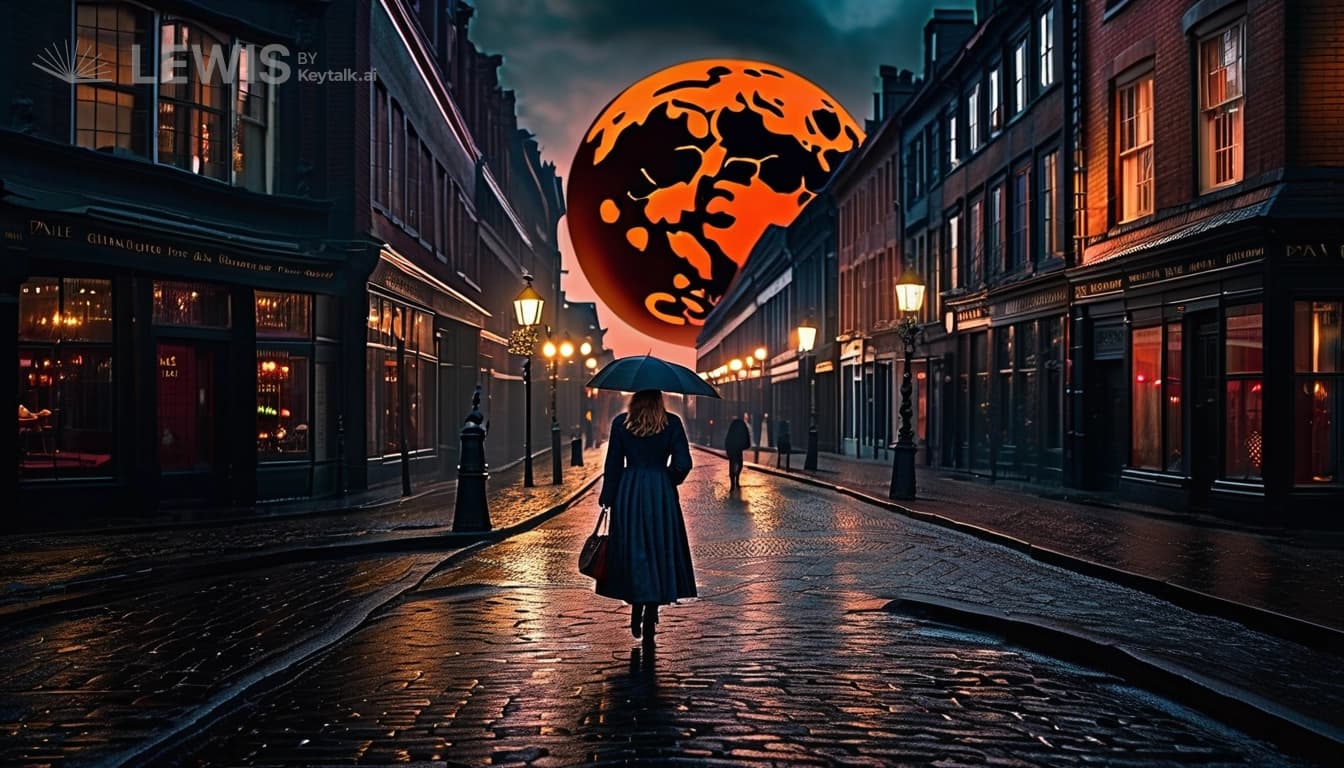
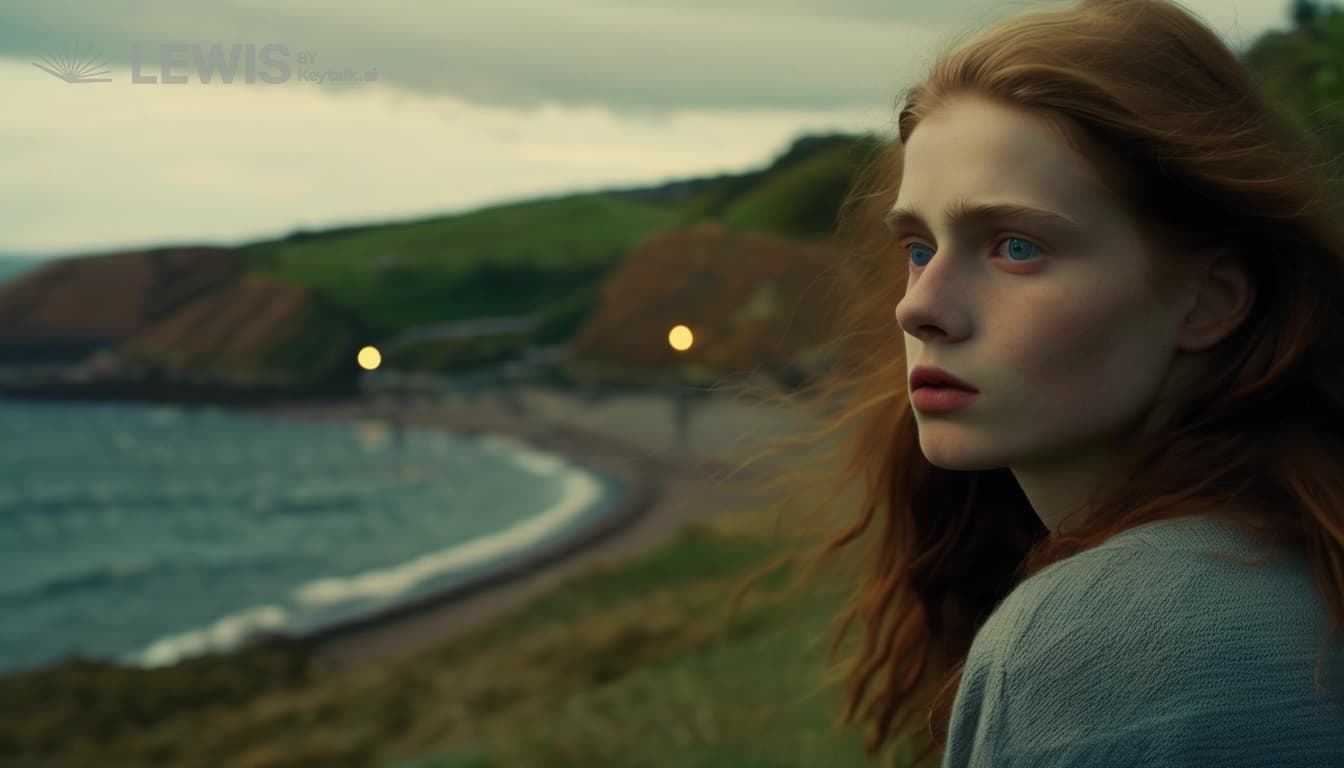
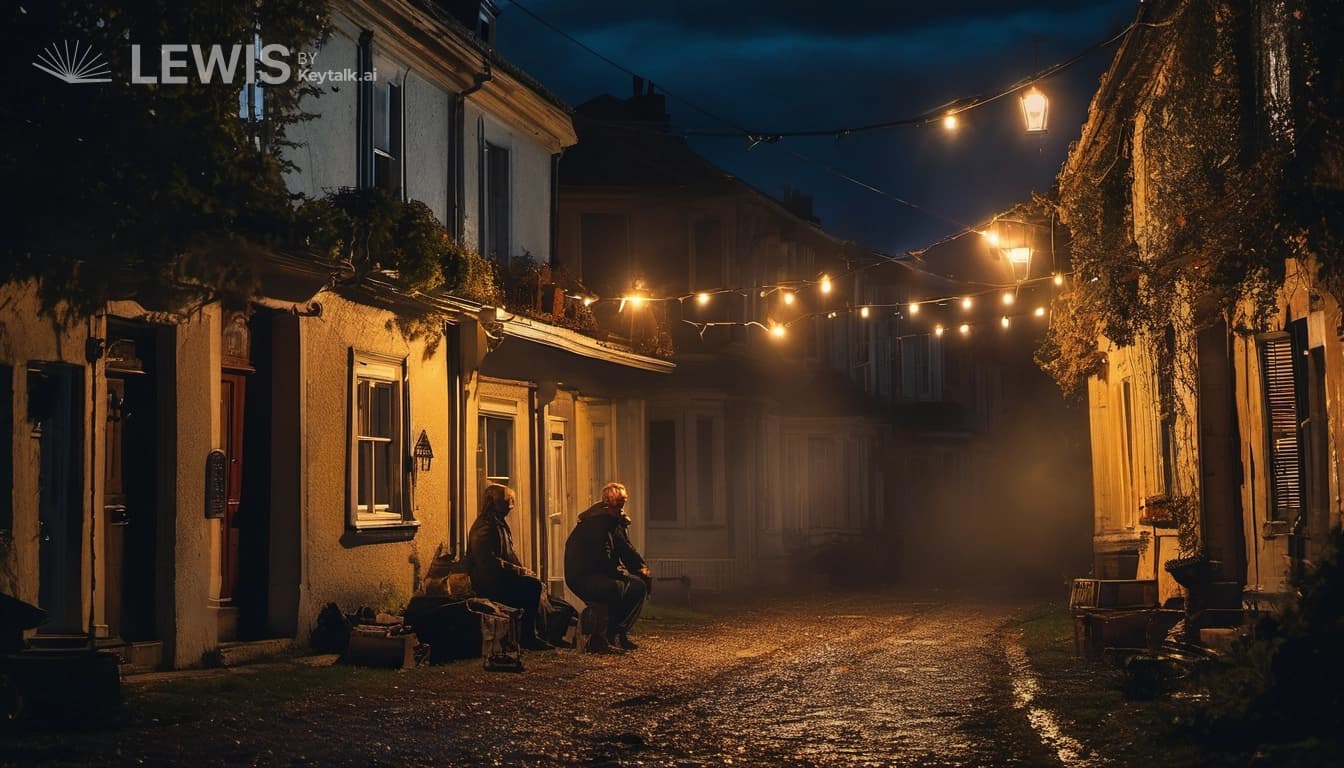
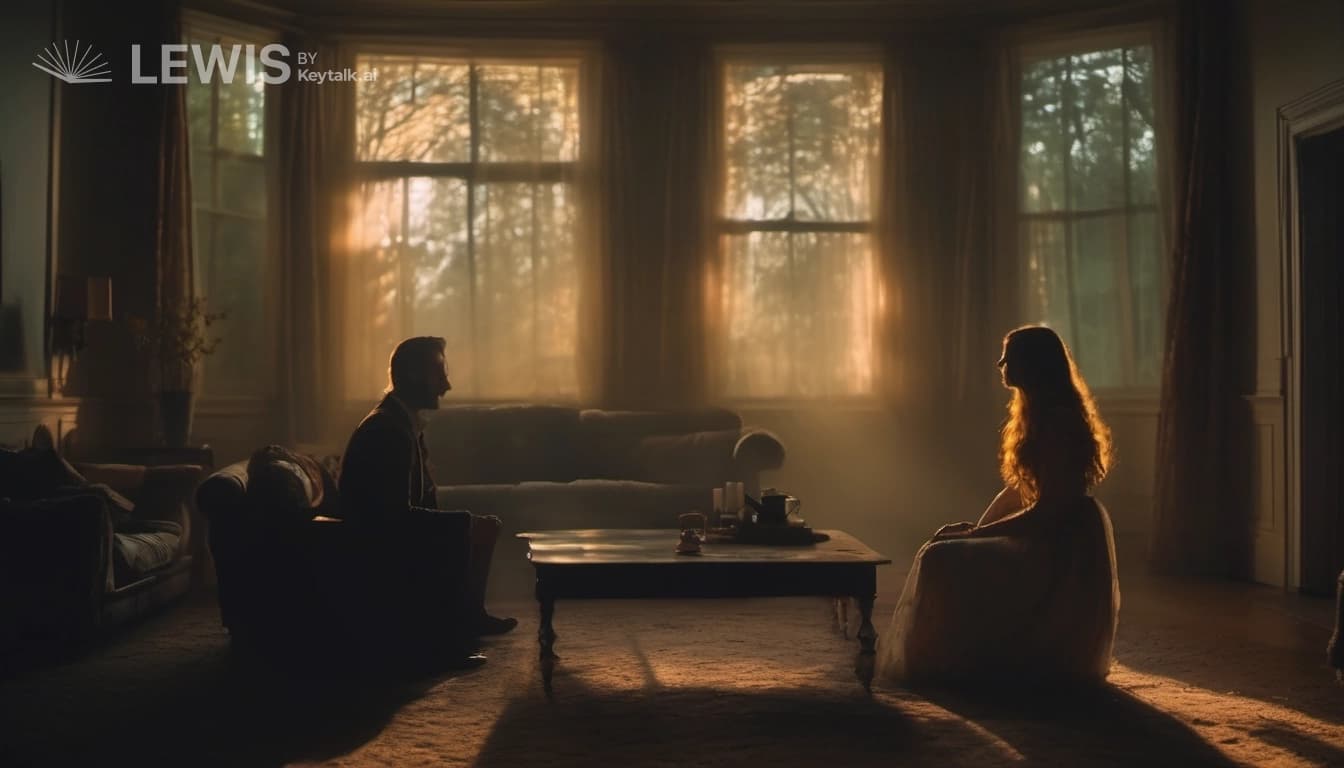
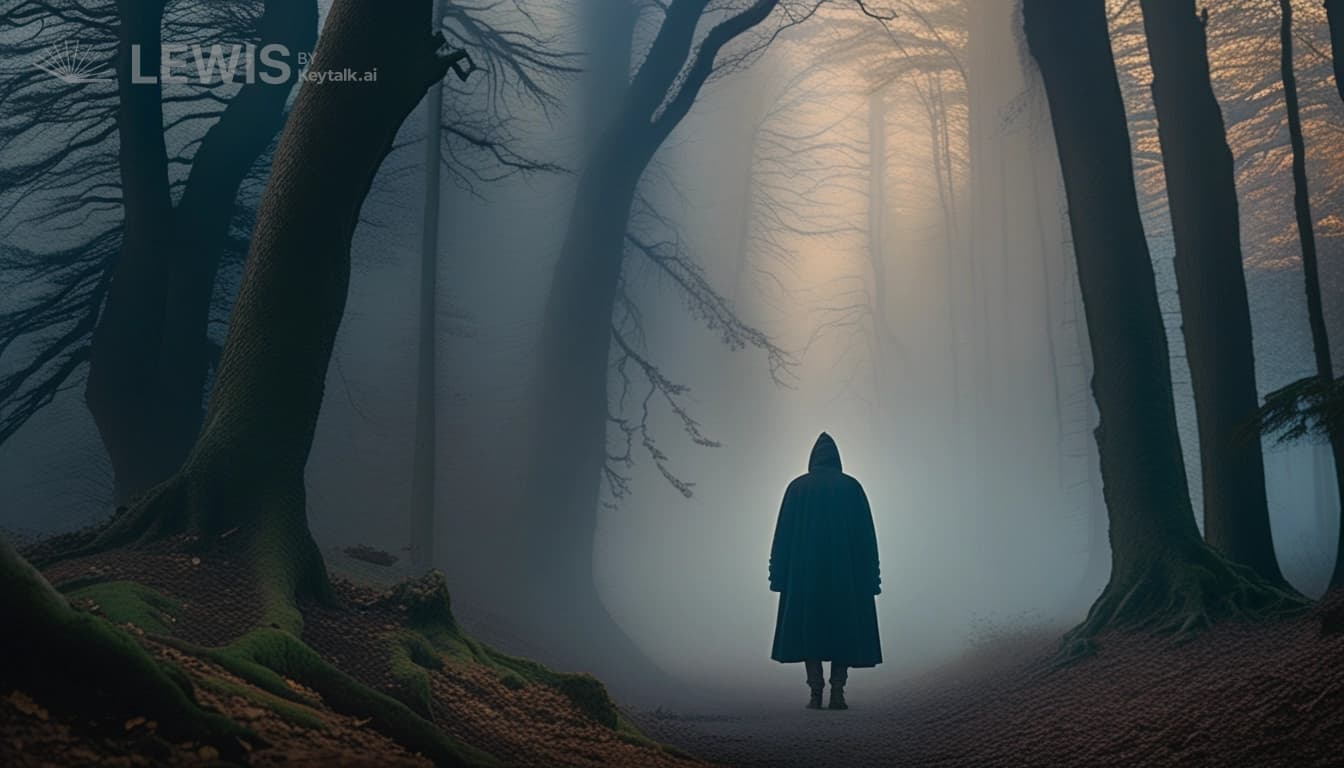
Hollow’s End is a visual tapestry of contrasts, at once hauntingly beautiful and deeply unsettling. The town is perpetually draped in a dense, silver-gray mist that clings to its cobblestone streets and ivy-covered buildings. The mist muffles sound, lending an eerie stillness to the air, broken only by the distant toll of the bell from the old clock tower—a relic of the town’s founding that looms over the main square like a sentinel. The forest surrounding the town is a labyrinth of towering pines and gnarled oaks, their skeletal branches reaching skyward like supplicant hands. Beneath the canopy, the ground is littered with moss-covered stones and curling ferns, the air thick with the loamy scent of decay.
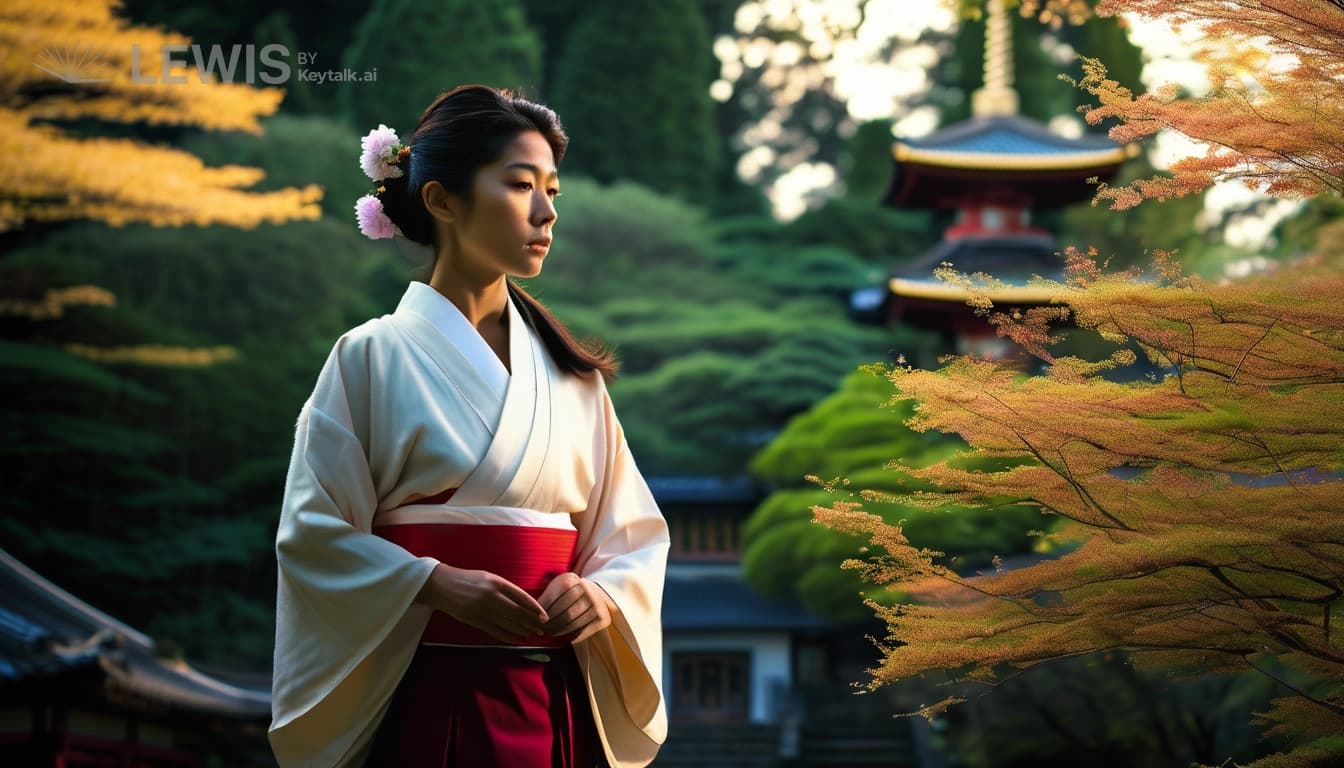
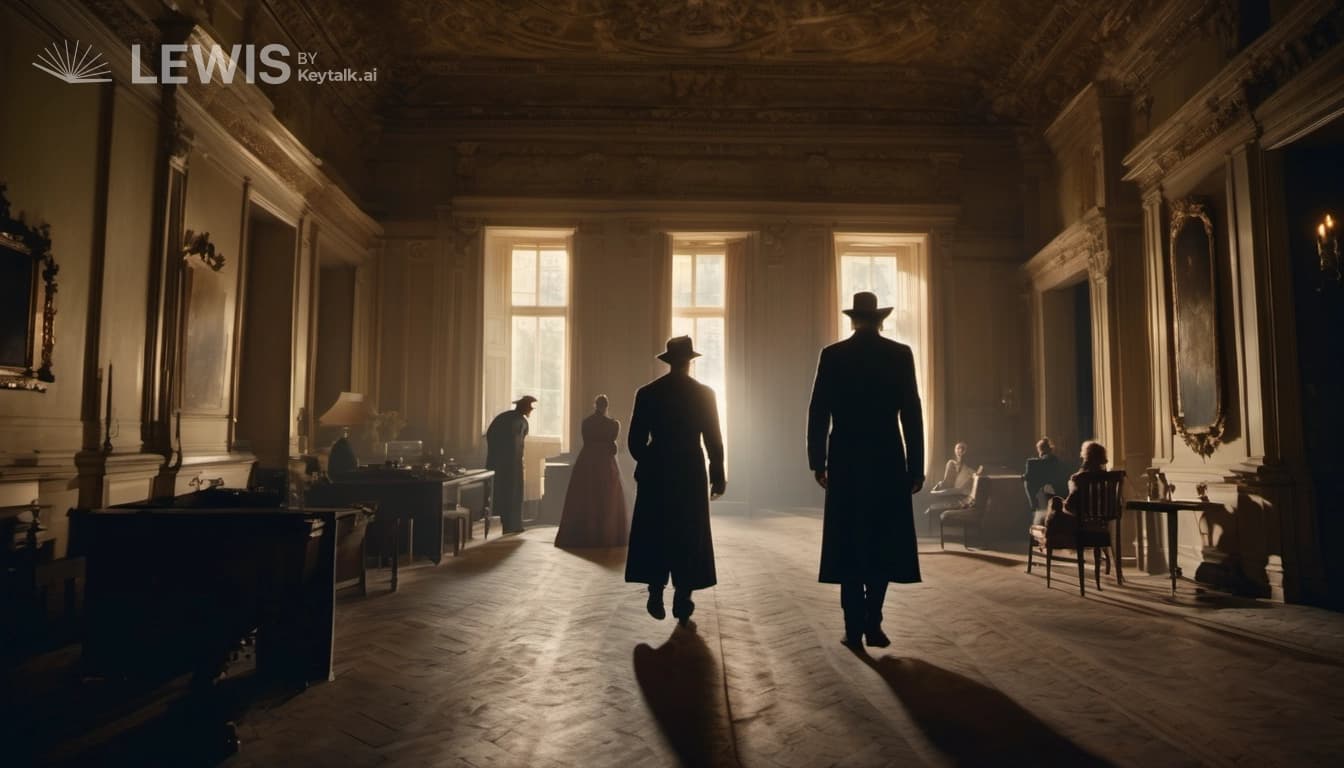
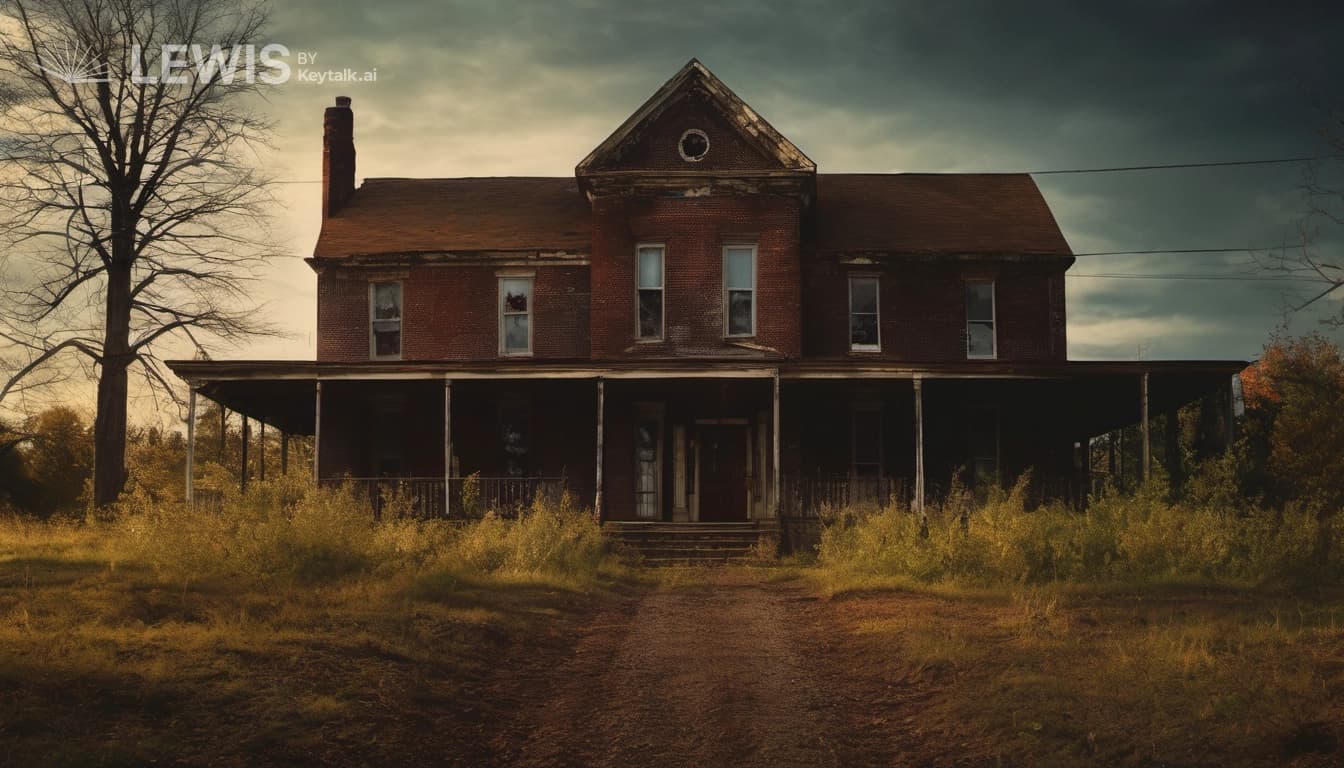
The town’s architecture is a blend of styles, from the weathered clapboard houses of its working-class residents to the imposing, gothic mansions of the old families who still cling to their faded prestige. Alaric’s home, for instance, is a crumbling Victorian manor perched on the edge of a cliff, its windows darkened by heavy drapes and its attic filled with strange artifacts that seem to hum with latent energy. In contrast, Aiko’s family shrine is a tranquil yet foreboding space, its lacquered wood gates and intricate carvings cloaked in shadows that seem to shift when one’s back is turned.
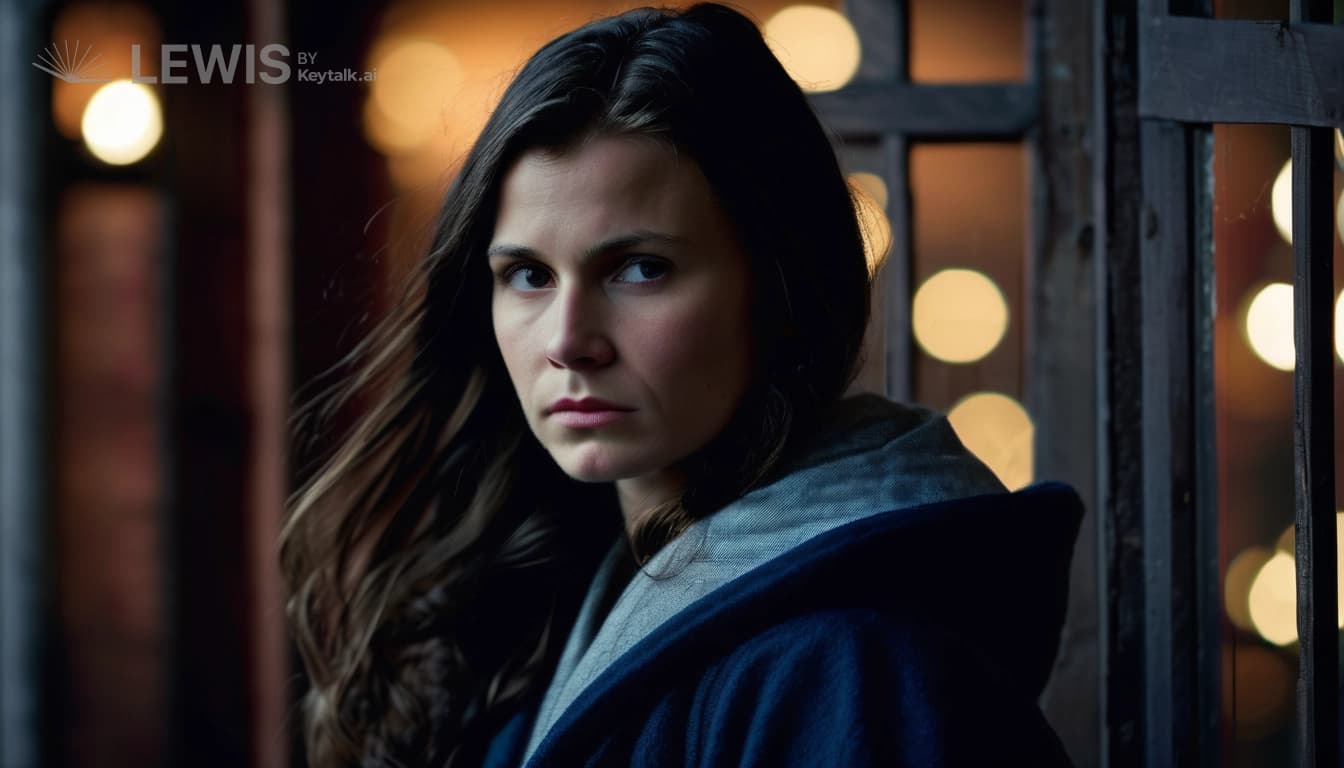
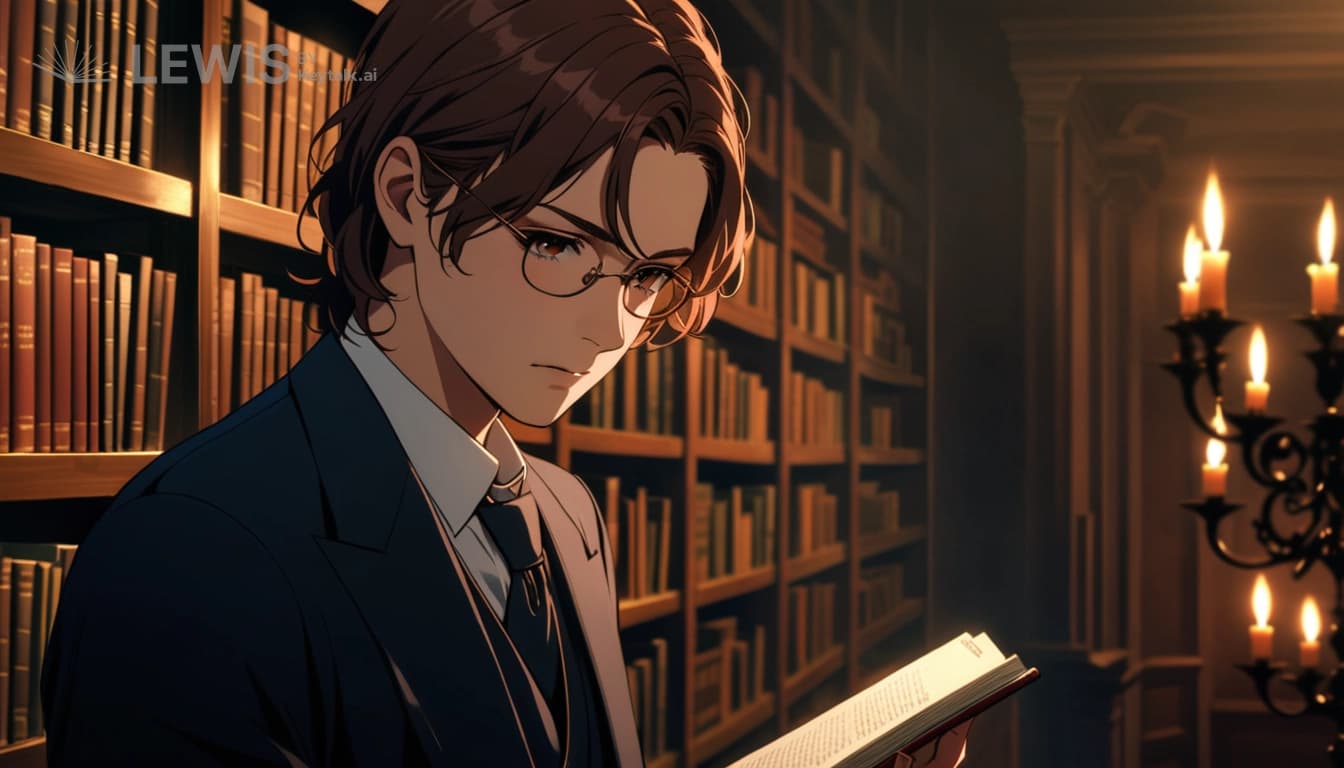
The library, where Katya discovers the diary, is a cavernous, dimly lit space with towering shelves of leather-bound tomes, many of which are coated in a fine layer of dust. The restricted archive, hidden behind an iron gate, exudes an oppressive aura, its air tinged with the faint metallic scent of old ink and something less identifiable but vaguely unsettling. At night, the town transforms—streetlights flicker uncertainly, casting long, distorted shadows, and the mist seems almost alive, curling and coiling as though it carries whispered voices.
4. Notable technologies or philosophies of the universe that impact the story:
Although the technology in Hollow’s End is modern, it feels strangely muted, as though the town resists full immersion into the digital age. Cell service is notoriously unreliable, and the internet connection often falters, leaving the characters to rely more heavily on physical books, handwritten notes, and face-to-face interactions. This technological inconsistency mirrors the town’s
Location 1
- Title: The Ironbound Archives
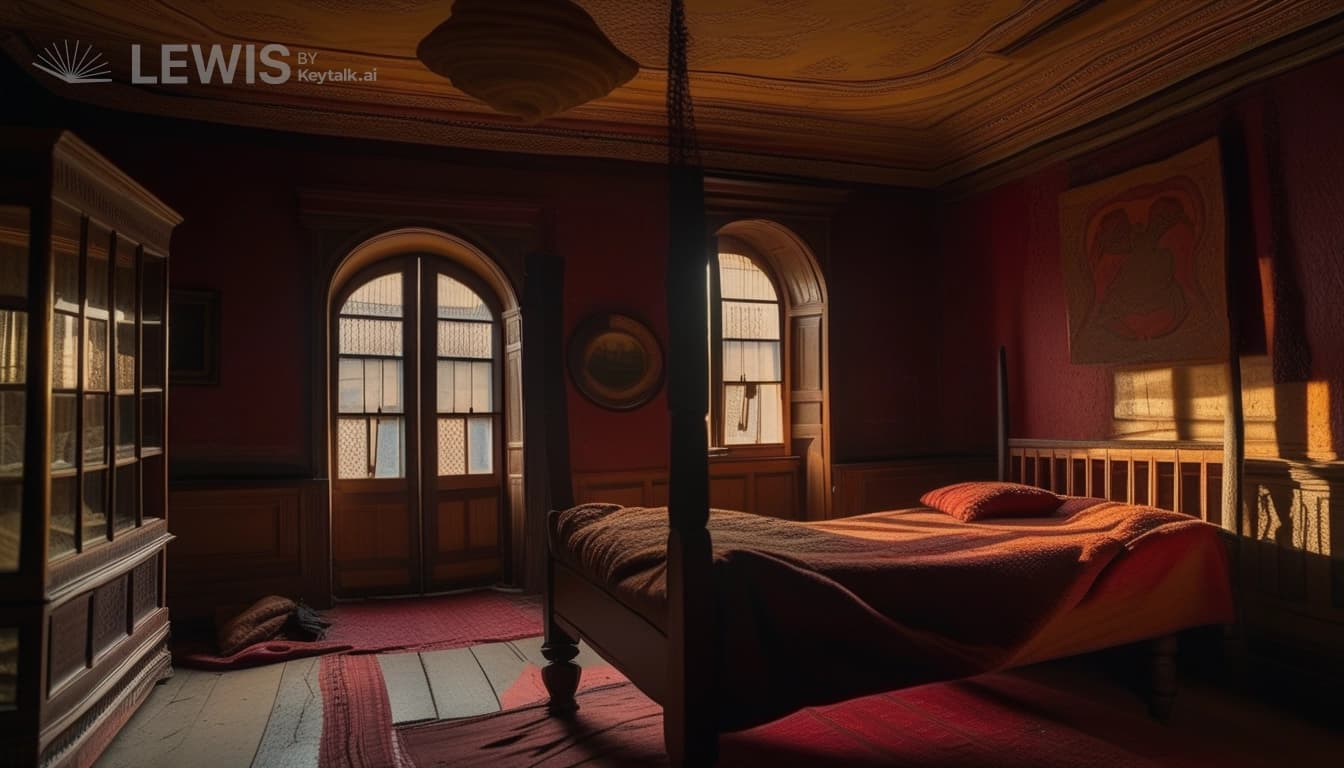
- Description: Tucked deep within the municipal library, the Ironbound Archives exuded a foreboding stillness, its air heavy with the scent of aged parchment and rusting locks. Dim lanterns cast flickering shadows on towering shelves, each crammed with forbidden tomes and yellowed manuscripts chained to the wood. It was here, in the oppressive silence broken only by the groan of floorboards, that Katya unearthed the diary—a relic steeped in whispers of blood and curses, its presence seemingly alive in the gloom.
Location 2
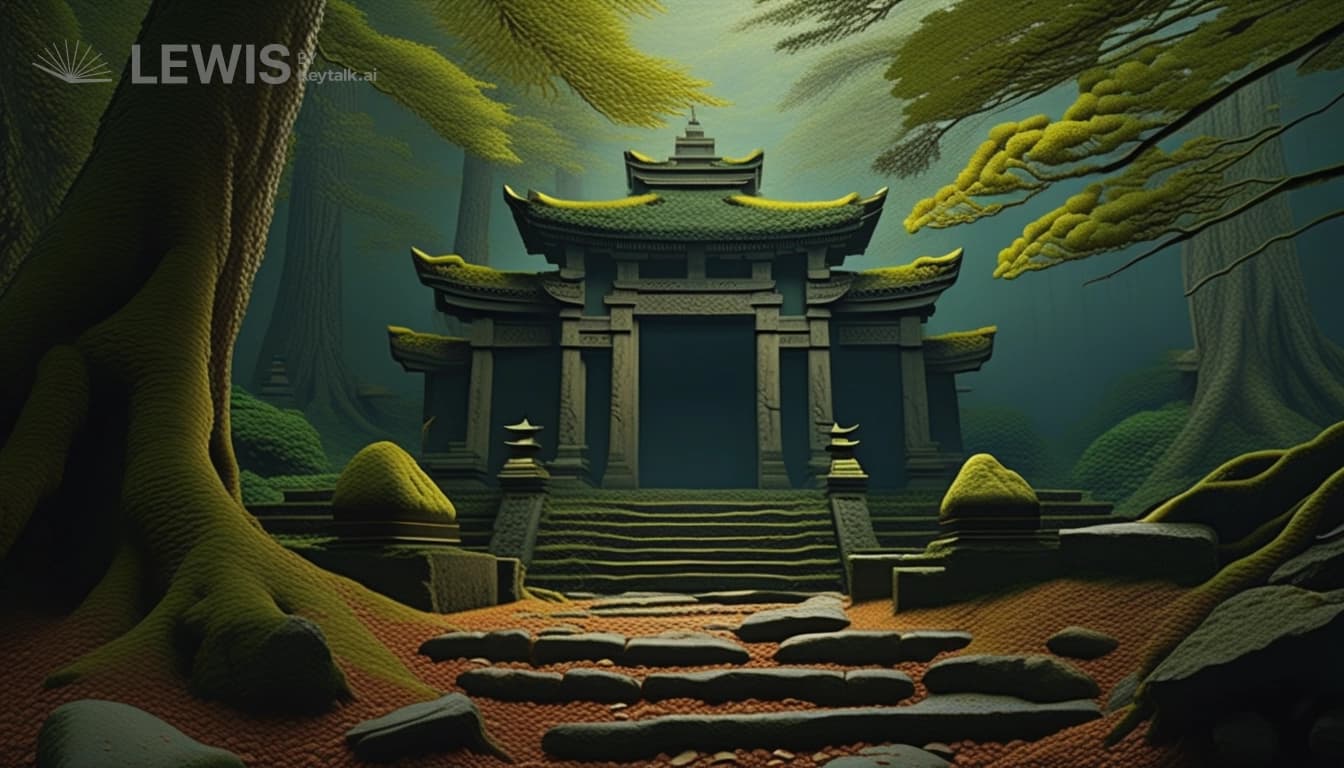
- Title: The Veiled Shrine of Aiko’s Kin
- Description: Hidden deep within a grove of ancient cypress trees, the shrine exudes an eerie sanctity, its moss-cloaked stones and faded prayer ribbons whispering of forgotten oaths. The air is thick with the metallic tang of incense and the faint hum of energy, as if the land itself remembers the rituals once performed here. Beneath the cracked torii gate, Katya, Alaric, and Aiko confront a chilling truth: the shrine’s sanctum conceals the origins of the curse, etched into its walls in a language older than time.

Location 3
- Title: Alaric’s Cliffside Manor
- Description: Perched on a jagged precipice overlooking the roiling, ink-black sea, Alaric’s ancestral manor seemed to defy the natural order, its Gothic spires clawing at the storm-laden sky. Inside, the walls were a mosaic of peeling, damp wallpaper and occult relics—amulets, faded photographs, and cryptic diagrams scrawled on parchment. It was here, in the candlelit study heavy with the stench of mold and salt, that the trio uncovered the diary’s final entry, the air thick with dread and the sound of distant waves crashing like a heartbeat of something ancient and alive.